Zachary’s Fight: A Child’s Courage in the Face of Ewing Sarcoma
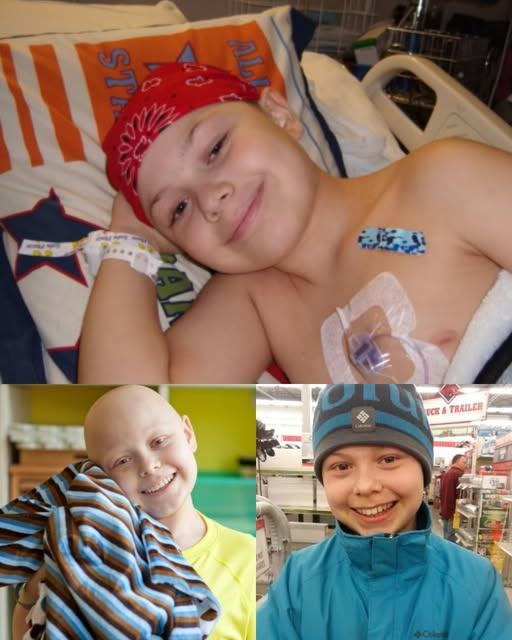
Zachary’s Fight: A Child’s Courage in the Face of Ewing Sarcoma
In July 2013, Zachary began experiencing pain in his arm that quickly intensified. What first seemed minor soon revealed something far more serious: a mass beneath his shoulder. Medical scans and a biopsy confirmed a devastating diagnosis—Ewing sarcoma, a rare and aggressive form of childhood cancer.
Zachary was thrust into a demanding treatment journey that would last more than a year. He endured intensive chemotherapy, proton radiation, and surgery, each phase bringing its own physical and emotional toll. Fatigue, nausea, and long hospital stays became part of his daily life, forcing him into isolation while his peers continued with school and childhood routines.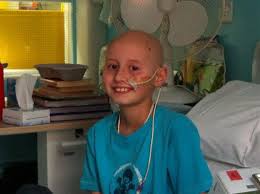
Despite the hardship, those around him recall Zachary’s extraordinary bravery. He faced each procedure with quiet strength, rarely complaining, and often thinking more about others than himself. His resilience became a source of inspiration for family, friends, and medical staff alike.
In July 2015, hope was shattered when the cancer returned, this time aggressively spreading to his lung. Multiple rounds of additional chemotherapy followed, but the disease proved resistant to treatment. Still, Zachary continued to fight with determination far beyond his years.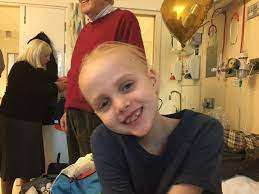
On October 22, 2016, Zachary passed away, leaving behind a legacy defined not by illness, but by courage, perseverance, and love. His journey reflects the harsh reality faced by many children battling cancer—one marked by strength in the face of unimaginable challenges.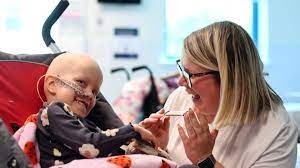
Zachary’s story also underscores an urgent need: greater investment in pediatric cancer research and increased public awareness. Childhood cancers remain underfunded, and families continue to rely on hope, science, and resilience in the absence of guaranteed cures.
Though his life was far too short, Zachary’s fight continues to speak for children everywhere who face cancer with bravery, reminding the world that their stories matter—and that more must be done to change their outcomes.