The Boy from Będzin
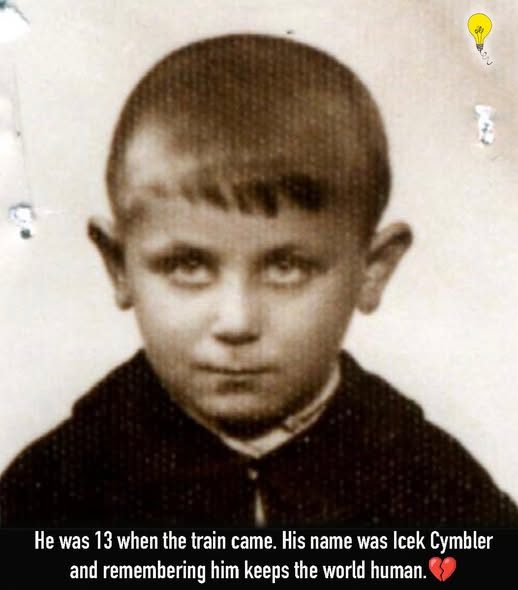
The Boy from Będzin
Before the world caught fire, in the small Polish town of Będzin, there lived a boy named Icek Cymbler.
He had clear, curious eyes — the kind that seemed to notice everything, even the things a child shouldn’t have to see.
Born in 1930 to a modest Jewish family, Icek’s father sold fabric in the local market, while his mother baked sweet bread every Friday for Shabbat. Their home was filled with warmth, laughter, and the steady rhythm of everyday life.
Icek dreamed of becoming a teacher. He carried his schoolbooks like treasures and believed that words could make the world kinder. His laughter filled the small apartment, making even the peeling walls glow with a kind of light.
Then, in 1939, that light began to fade. Sirens screamed. German boots thundered through the cobblestone streets. Yellow stars appeared on coats, and barbed wire carved the town into a ghetto. The market grew silent. The bread grew smaller.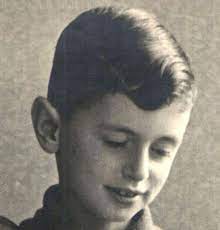
School vanished.
Instead of pencils and notebooks, Icek carried crumbs of dry bread in his pocket — enough to share with his younger neighbors when he could. Yet even in the darkest nights, when his mother lit a single candle for prayer, he would whisper:
“Maybe one day I’ll be a student again.”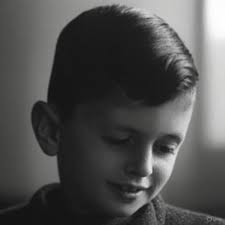
In the summer of 1943, soldiers arrived with lists. They shouted names and broke families apart.
Icek was among those taken — pushed into a crowded train bound for Auschwitz. He was only thirteen years old.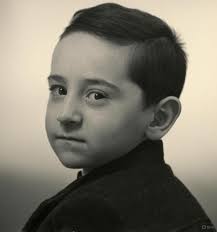
No one knows what he thought in those final moments. Perhaps he remembered the smell of his mother’s bread, the sound of his father’s voice in the market, or the book he left open on his desk.
Icek Cymbler never returned. But his name lives on — in faded photographs, in yellowed documents, and in the fragile pages of remembrance.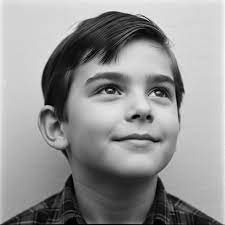
And as long as we speak his name, as long as we remember the boy from Będzin,
the world is not entirely lost.