A December Night When Power Paused for Compassion
A December Night When Power Paused for Compassion
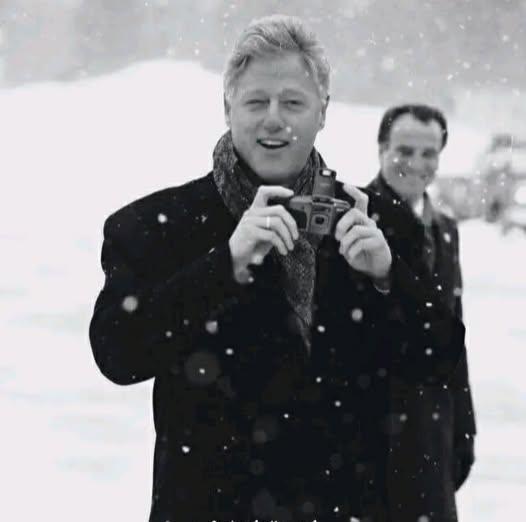
On a bitter December night in 1997, as President Bill Clinton exited a holiday concert at the Kennedy Center, an unexpected sight brought the presidential motorcade to a complete stop. Just outside the entrance sat a homeless veteran, shivering in the cold, wrapped in little more than a thin jacket.
The cardboard sign in his hands told a brief but powerful story: “Marine. Desert Storm. Hungry.”
Without hesitation, President Clinton asked that the motorcade halt. What followed was an act few expected from the most powerful man in the world. He removed his own overcoat, gently placed it around the veteran’s shoulders, and sat down beside him on the freezing concrete.
The man was 42-year-old Marcus Williams, a former Marine who had served during Operation Desert Storm. Later, Williams recalled that the President did not question his choices or ask how his life had unraveled. There was no lecture and no judgment.
Instead, Clinton asked about his military service. He listened as Marcus spoke about the battles he had fought and the sacrifices he had made. The President asked whether anyone had ever properly thanked him for serving his country.
For nearly twenty-five minutes, the leader of the United States remained seated in the cold, listening intently to a man society had long overlooked. Titles and authority disappeared, replaced by a simple human connection.
When Marcus quietly admitted that he had not eaten in two days, President Clinton immediately sent an agent to find food. He refused to leave the scene until the veteran had finished every bite.
That night was never about politics or public image. It was about dignity, respect, and remembering those who once stood on the front lines but were later forgotten.
In a moment of winter cold, a simple act of kindness left a warmth that would be remembered long after the night had passed.