Family of Slain Mother Renee Good Pushes Back Against Online Smears, Urges Public to Remember Her Humanity
Family of Slain Mother Renee Good Pushes Back Against Online Smears, Urges Public to Remember Her Humanity
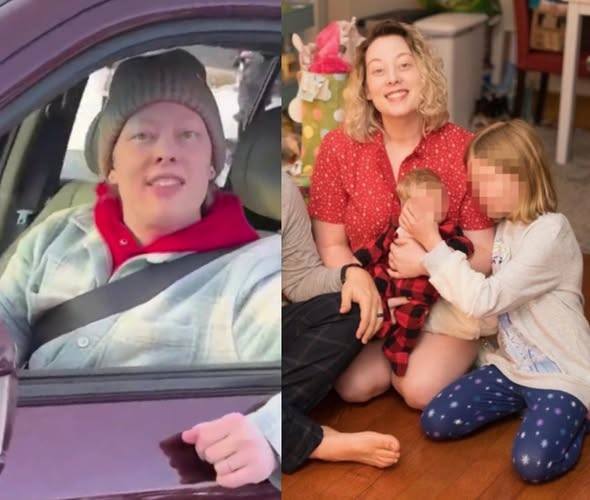
As grief continues to weigh heavily on the family of Renee Good, a beloved mother who was killed in a highly publicized and politically charged incident, her former sister-in-law, Morgan Fletcher, has spoken out to confront what she calls a wave of lies and dehumanization spreading online.
In a now-deleted Facebook post, Fletcher directly addressed false claims circulating about Good, including allegations that she had a criminal record. “Criminal history? She didn’t have one,” Fletcher wrote, emphasizing that misinformation about an entirely different person had been falsely attached to Renee Good’s name.
“Does this sound like a ‘domestic terrorist’ to you?” Fletcher asked, rejecting the language used by political figures and online commentators to describe the woman her family knew and loved.
Fletcher wrote that the family is grieving deeply and is painfully aware of the online discourse surrounding Renee’s death. While some messages have offered sympathy and support, many others have been openly hostile, cruel, and dismissive. “We’ve seen the nasty ones ripping apart our beautiful and beloved Renee,” she wrote.
According to Fletcher, the family never expected Renee’s death to become a “high-profile” or “massively divisive, political topic.” She placed responsibility for that politicization squarely on political leadership, accusing former President Donald Trump and South Dakota Governor Kristi Noem of rushing to label Renee Good a terrorist before facts were established.
Critics argue that this framing fueled a broader online campaign to justify her death by portraying her as dangerous, immoral, or deserving of what happened. Right-wing social media platforms, Fletcher noted, rapidly amplified false narratives about Renee’s past, her family life, and her character—claims her family insists are untrue.
The comment sections following news coverage of Renee’s death illustrate the depth of the divide. Some users expressed heartbreak and condemnation of the hatred directed at a grieving family. Others questioned why her personal life was being scrutinized at all, noting that none of it justified her killing.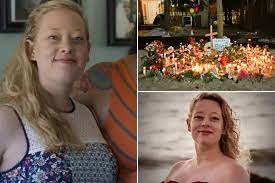
Yet many comments took a darker turn, openly mocking Renee, dismissing testimonies from those who knew her, and focusing solely on video footage of the incident to portray her as hateful or deserving of lethal force. Several commenters reduced her life to a single moment, arguing that whatever preceded it no longer mattered.
Family supporters pushed back strongly, asking why a woman’s custody arrangements, divorces, or demeanor in a stressful confrontation were being used to retroactively justify her death. “What has anything about her life got to do with her being murdered?” one commenter asked.
For Fletcher, the core issue is simple but profound: Renee Good was a human being. A mother. A loved one. Not a symbol, not a political tool, and not a caricature created to defend violence.
“This hate has to stop,” one supporter wrote. “It’s so much easier to love one another.”
As Renee Good’s family continues to mourn, they are asking the public for one thing above all else: to stop the lies, reject the cruelty, and remember that behind every viral headline is a real person whose life mattered.