Avatar: The Last Airbender 2 – The Weight of Destiny and Balance
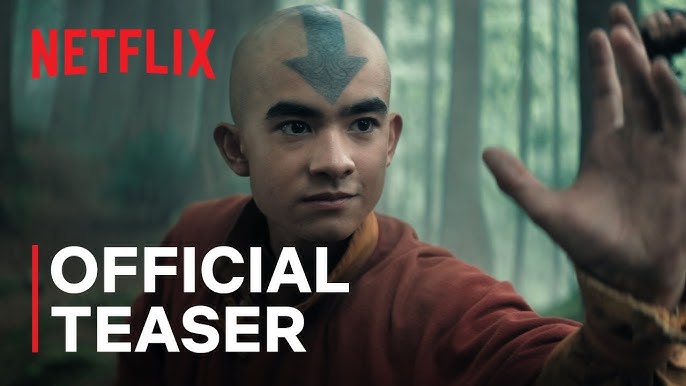
In Avatar: The Last Airbender 2 (2026), the much-anticipated sequel returns to a world on the brink of chaos, where balance is fragile, and destiny waits for no one. Gordon Cormier reprises his role as Aang, but this time, he’s no longer the carefree child running from fate—he’s a young Avatar, now bearing the weight of responsibility and the heavy cost of every decision he makes. As the world teeters between uneasy peace and inevitable conflict, Aang’s journey becomes one not only of power but of deep understanding and self-discovery.
The story picks up in a world where the nations have managed to maintain a fragile peace, but the sense of impending war is palpable. The Water Tribe feels the seas churn with unease, the Earth Kingdom trembles under unresolved scars from past battles, and the Fire Nation’s flames of ambition flicker with the potential for further destruction. As tensions rise, Aang finds himself at a crossroads. While he is the Avatar—the one destined to bring balance—he is still learning that true balance is not simply a matter of bending elements; it’s about understanding the delicate dance between love, fear, hope, and power.
In this sequel, Aang’s maturation is at the forefront. Gone is the naive, unsure child we once knew—this Aang is someone who has seen the impact of his choices and is grappling with the personal cost of his destiny. The emotional depth of his journey is felt throughout the film, as he wrestles with the consequences of wielding such immense power. Gordon Cormier brings an incredible weight to Aang’s role, expertly conveying the internal struggles of a young man who must act as both a leader and a savior, even as the world around him seems to push him toward destruction. Cormier’s portrayal is powerful, adding a level of wisdom to Aang that only comes from experience, making his journey one of emotional and physical endurance.

The visual spectacle of Avatar 2 is nothing short of breathtaking. The lush landscapes of the Four Nations have never looked more alive, from the turbulent seas that echo the tension of the Water Tribe, to the rugged, scarred terrains of the Earth Kingdom. Every frame is beautifully crafted, showcasing the intricate designs and the dynamic elements of the world—earth, water, fire, and air—intertwining in a dance that reflects the story’s core message of balance. The animation captures the fluidity of the elemental powers in ways that immerse the audience in a world where nature and magic seamlessly coexist.
But it’s not just the visuals that capture the imagination—it’s the story’s depth. The themes of balance, peace, and internal conflict are woven throughout the narrative, making it much more than a typical adventure film. Aang’s struggle is not only against external forces but against the battle within himself. Torn between his duty as the Avatar and his deep compassion for those he loves, Aang must make choices that challenge his beliefs and test his ability to protect a world that feels on the verge of collapse. Every decision carries weight, and every action has consequences that resonate far beyond the present moment.
As Aang’s journey unfolds, he is not alone. He is joined by old friends and new allies, each with their own struggles and destinies. The Spirits—those ethereal beings who once felt like distant forces—now play a greater role, responding to both the conflict and the glimmer of hope that Aang represents. The mystical elements of the world add another layer of complexity, as Aang’s connection to the Spirit World deepens and the line between the physical and spiritual realms blurs.
The relationships Aang shares with his companions—his old friends from the first series and new characters introduced in this sequel—are more significant than ever. Love, loyalty, and sacrifice are tested, and it’s in these moments of connection that the true depth of Aang’s journey is revealed. The stakes have never been higher, and the emotional resonance of these relationships makes the impending conflicts even more gripping.
The film’s pacing expertly balances action, emotional depth, and character development, ensuring that the audience is invested in the journey from beginning to end. The action sequences—whether in the form of elemental battles or more personal, intimate confrontations—are thrilling, with each fight adding layers to the characters’ growth and the larger narrative. But it is the quieter, more introspective moments that truly leave an impact, allowing the audience to connect with Aang’s internal struggles on a personal level.
With a 9.5/10 rating, Avatar: The Last Airbender 2 is an extraordinary sequel that surpasses expectations. Gordon Cormier’s performance as Aang is powerful, bringing a level of emotional depth to the character that resonates with audiences of all ages. The film’s breathtaking visuals, coupled with its thoughtful exploration of balance, love, and the cost of power, make it a must-see. The blend of adventure, romance, and drama makes Avatar 2 not just a film, but a profound journey into the heart of the Avatar world.