Ong-Bak 4: The Spirit of Muay (2026) – A Battle for Honor and the Soul of Muay Thai
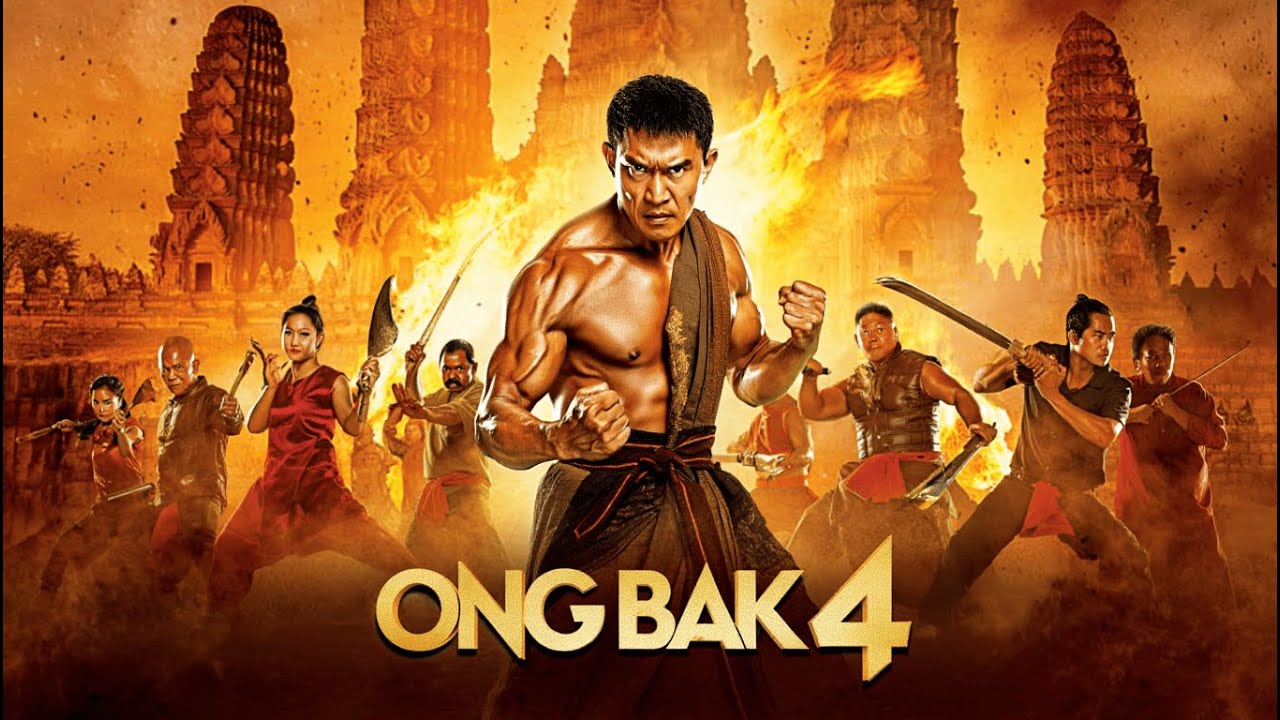
In Ong-Bak 4: The Spirit of Muay (2026), the pulse-pounding action of Muay Thai returns with a vengeance as Tony Jaa, JeeJa Yanin, and Iko Uwais deliver a martial arts thriller that raises the stakes for both the characters and the soul of the ancient art itself. This high-octane sequel pulls Tien (Tony Jaa) back into a brutal world when a sacred Buddha statue, central to the spirit of Muay Thai, is stolen by a ruthless global fight syndicate. The relic, once revered, is now used to fuel savage, bloodthirsty Muay Thai matches that have turned the sacred art into a brutal bloodsport, pushing its practitioners to their absolute limits.
The film’s premise is a heart-pounding race against time as Tien is forced to confront not just his enemies, but the loss of the very spirit of Muay Thai. His path crosses with JeeJa Yanin, a fearless cop and Muay Thai prodigy, who infiltrates the syndicate under the guise of a fighter. Yanin’s character brings a fresh dynamic to the film, seamlessly blending her fierce combat skills with her determination to restore honor to the art of Muay Thai. Her role as a woman in a male-dominated world of martial arts is empowering, and Yanin delivers her performance with the kind of intensity and grace that makes her character both formidable and memorable.
Iko Uwais joins the fray as a mysterious enforcer caught between his duty and his own debts. Uwais’ presence adds an intriguing layer to the story, as his character is torn between the darkness of his world and the light of redemption. His powerful and precise combat style meshes perfectly with the brutal intensity of the fight sequences, creating a complex character that adds both tension and depth to the film.
The fight choreography in Ong-Bak 4 is nothing short of spectacular. From the knee-shattering clinches to the brutal elbow strikes and the lightning-fast stairwell brawls, every battle feels visceral and personal. The camera work allows the audience to experience the raw, unrelenting energy of each fight in full detail, immersing viewers in the intensity of Muay Thai like never before. The physicality of the combat is on full display, with Jaa, Yanin, and Uwais showcasing their incredible martial arts skills in heart-pounding, high-stakes showdowns that will leave you breathless.
The stakes are higher than ever as the final battle unfolds—a fight that will decide not only the fate of Muay Thai, but its very soul. The sacred Buddha statue serves as a symbol of the art’s true essence, and its theft represents the commodification and corruption of something pure and honorable. Tien, Yanin, and Uwais’ character must fight not only for victory, but for the restoration of what Muay Thai truly represents: discipline, respect, and spiritual connection.
The film’s cinematography and direction enhance the emotional intensity, with stunning shots of Thailand’s landscapes providing a sharp contrast to the brutal, close-quarters combat. The visceral energy of the fight scenes is complemented by the quiet moments of reflection, creating a well-rounded narrative that balances the adrenaline of the action with the deeper stakes of personal redemption and honor.
The soundtrack pulses with the intensity of the battles, complementing the fast-paced action with an electric score that drives the narrative forward. The beats of the music seem to echo the rhythm of the fighters’ movements, heightening the suspense and emotional weight of each sequence.
Ultimately, Ong-Bak 4: The Spirit of Muay is not just a martial arts film—it’s a gripping, emotionally charged journey into the soul of Muay Thai. It’s a film that honors the traditions of the art while pushing the boundaries of what we expect from an action thriller. With breathtaking choreography, deep emotional stakes, and unforgettable performances from Jaa, Yanin, and Uwais, this sequel is a must-watch for fans of martial arts and adrenaline-fueled action.