Minimum Age for Train Drivers to Be Lowered to 18 Amid Staffing Shortages
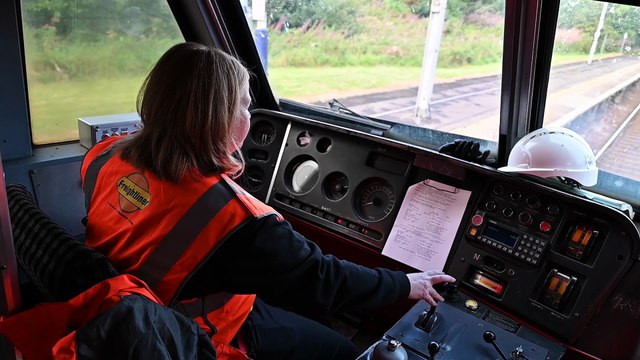
The minimum age requirement for train drivers is set to be lowered to 18 as authorities and rail operators seek to address growing concerns over staff shortages across the rail network.
The move comes amid warnings that an aging workforce and a limited pipeline of new recruits could threaten service reliability in the coming years. In many countries, the average age of train drivers is rising, with a significant proportion expected to retire within the next decade. Industry leaders have cautioned that without intervention, shortages could worsen, leading to cancellations, reduced timetables, and increased pressure on existing staff.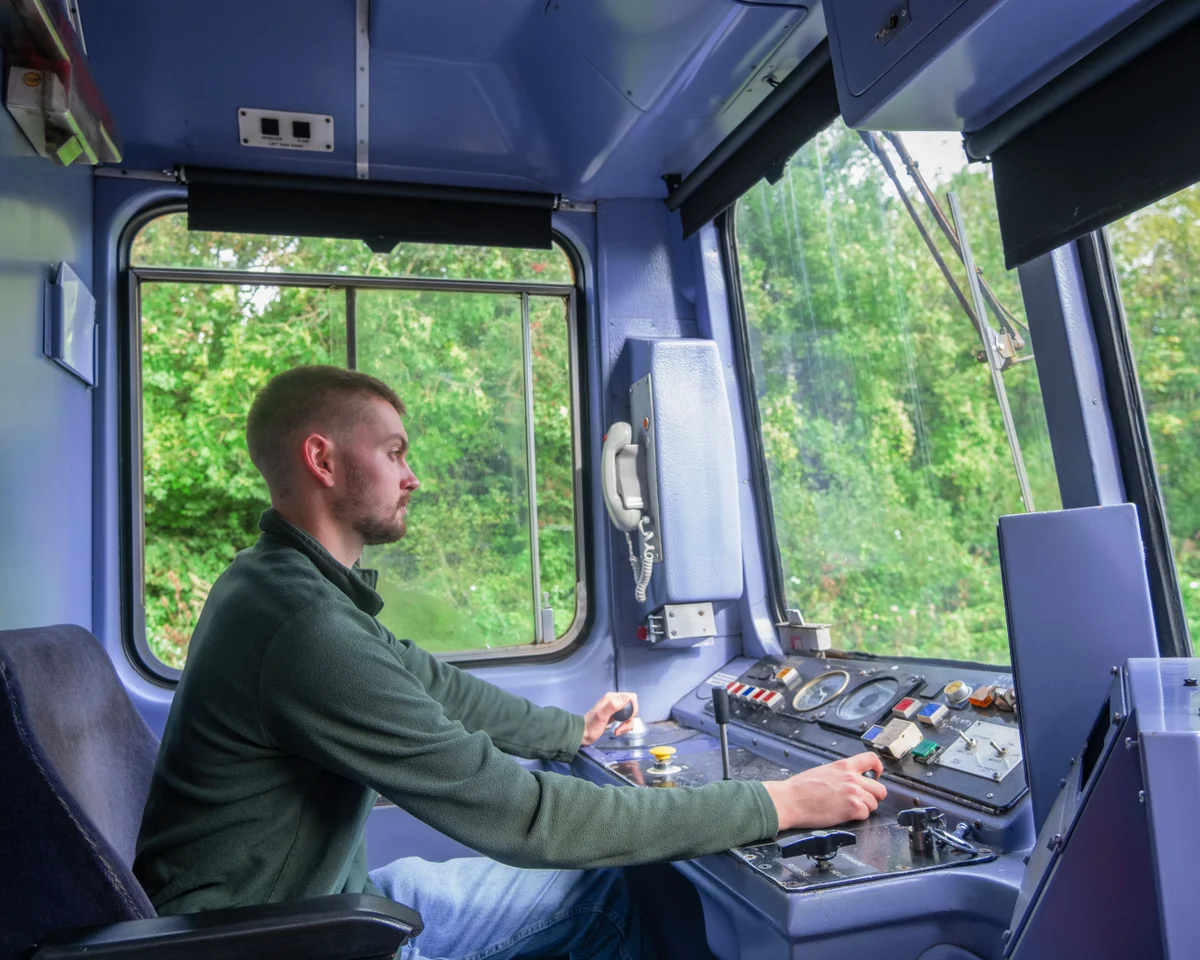
Under the proposed change, 18-year-olds would be allowed to begin training and qualify as fully licensed train drivers, bringing the rail sector in line with other safety-critical transport roles where younger workers are already permitted. Supporters argue that modern training standards, strict certification requirements, and ongoing assessments ensure that safety would not be compromised.
Rail unions and professional bodies have responded with mixed views. Some have welcomed the move as a necessary step to attract younger workers, modernize the profession, and create long-term workforce stability. Others have urged caution, emphasizing the importance of experience, maturity, and robust mentoring systems for newly qualified drivers.
Transport authorities have stressed that lowering the age threshold does not reduce training time or safety requirements. Prospective drivers would still be required to pass extensive medical, psychological, and technical assessments, as well as complete months of supervised training before operating trains independently.
The policy is also seen as part of a broader effort to make rail careers more accessible to school leavers, offering a skilled, well-paid profession without requiring a university degree. Advocates say earlier entry could help diversify the workforce and improve recruitment at a time when competition for skilled labor is increasing across multiple industries.
As rail networks continue to face operational pressures, the decision reflects a balancing act between maintaining the highest safety standards and ensuring the long-term sustainability of essential public transport services. Whether the change will be enough to close the staffing gap remains to be seen, but officials believe it is a step toward securing the future of the rail workforce.