Government Targets Added Sugar in New Public Health Initiative

A new government initiative led by Robert F. Kennedy Jr. is placing added sugar at the center of a broader effort to improve public health and reshape national dietary habits.
The proposal calls for a shift away from heavily processed foods that rely on high levels of added sugar, and toward diets emphasizing protein, healthy fats, and whole foods. Officials argue that excessive sugar consumption has contributed significantly to rising rates of obesity, type 2 diabetes, and cardiovascular disease over recent decades.
Public health data has long linked high intake of added sugars — particularly in sugary drinks and processed snacks — to chronic illness. Despite widespread awareness campaigns, consumption levels in many populations remain above recommended guidelines.
The initiative could lead to updated federal dietary recommendations, stronger food labeling requirements, and incentives for manufacturers to reformulate products with reduced sugar content. While no sweeping bans have been announced, the tone signals a firmer regulatory stance on ingredients associated with long-term health risks.
The food industry is expected to monitor the policy direction closely. Sugar plays a central role in product formulation, shelf stability, and consumer appeal, making reformulation both technically and economically complex.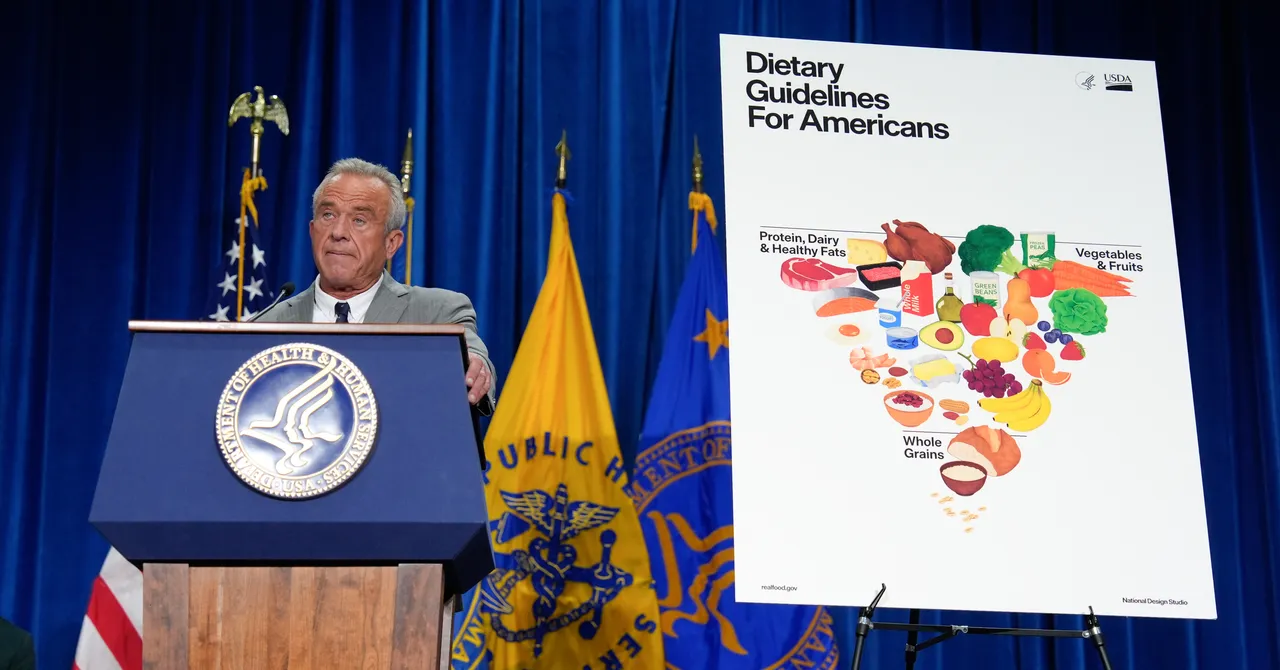
At the same time, the proposal has reignited debate over the appropriate role of government in shaping consumer behavior. Supporters argue that preventive action can reduce healthcare costs and protect future generations. Critics caution that regulatory overreach could limit consumer choice and disrupt markets.
Whether the initiative results in substantial policy changes remains to be seen. However, the renewed focus on added sugar reflects a broader shift in public health strategy — one that increasingly prioritizes prevention and long-term dietary sustainability over treatment alone.