Trump Repeats ‘Midnight Hammer’ Warning to Iran After Meeting With Netanyahu
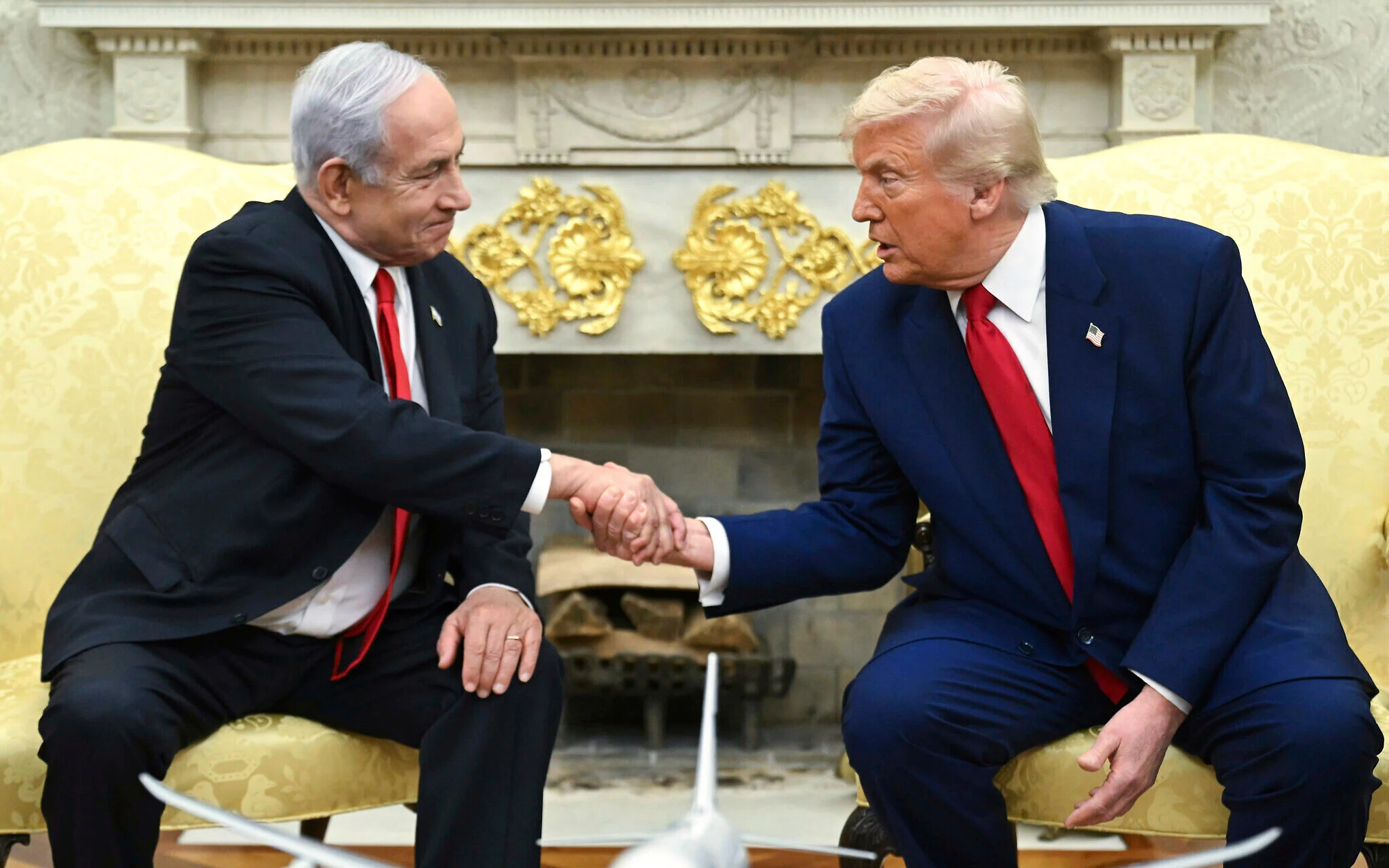
U.S. President Donald Trump reiterated a stark warning to Iran on Friday after a three-hour meeting with Israeli Prime Minister Benjamin Netanyahu at the White House, invoking the term “Midnight Hammer” to underline potential consequences if Tehran fails to reach a diplomatic accord over its nuclear programme.
In a statement posted to his Truth Social platform, Trump emphasized that while no definitive agreement was reached during the talks, he had insisted that negotiations with Iran should continue as a preferred path forward. He framed diplomacy as the primary objective but did not rule out alternative outcomes should talks falter.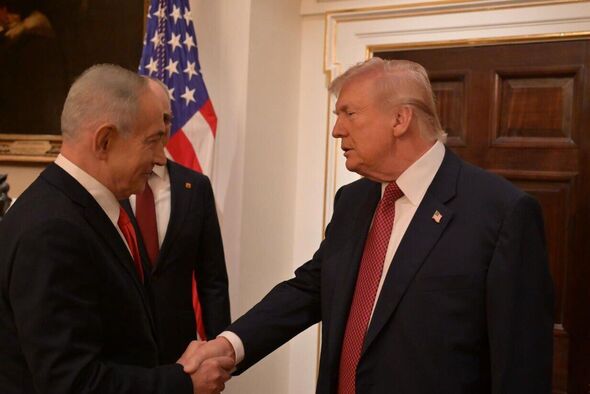
“Last time Iran decided that they were better off not making a Deal, and they were hit with Midnight Hammer — That did not work well for them,” Trump wrote. “Hopefully this time they will be more reasonable and responsible.”
The term “Midnight Hammer” refers to a June 2025 U.S.–Israel operation in which airstrikes targeted Iranian nuclear facilities, damaging key sites involved in uranium enrichment and reflecting military pressure applied during a previous negotiation impasse.
What Trump Said and Why It Matters
Trump described the session with Netanyahu as “very good,” but acknowledged that the leaders did not resolve the direction of U.S.–Iran relations beyond continuing talks. He stressed that achieving a negotiated settlement remained the preferred outcome, yet signalled that failure to reach agreement might prompt more forceful measures.
The U.S. president’s remarks came amid:
Ongoing indirect negotiations between U.S. and Iranian officials in Oman
Heightened regional tensions following repeated incidents involving Iranian proxies and U.S. military assets
Debates over how to constrain Iran’s nuclear, missile, and regional activities
Netanyahu’s visit was widely expected to focus on concerns over Iran’s nuclear ambitions and ballistic missile programme, with Israel urging broader limits in any diplomatic agreement.
Diplomatic and Military Context
Although Trump stressed diplomacy, reports indicate that the Pentagon is preparing additional military assets for possible deployment to the Middle East as a hedge against failed negotiations. This includes the potential movement of a second aircraft carrier strike group to the region.
Iran has expressed willingness to engage in inspections of its nuclear sites, though disagreements persist over verification access, enrichment levels, ballistic missiles and regional proxy support.
The “Midnight Hammer” comment signals that the United States may maintain a dual track of diplomacy backed by military deterrence — a posture likely to influence ongoing discussions with Tehran and wider regional diplomacy in the weeks ahead.