Pakistan Defence Minister Accuses US of ‘Exploiting’ Islamabad, Calls Past Alignments a Mistake
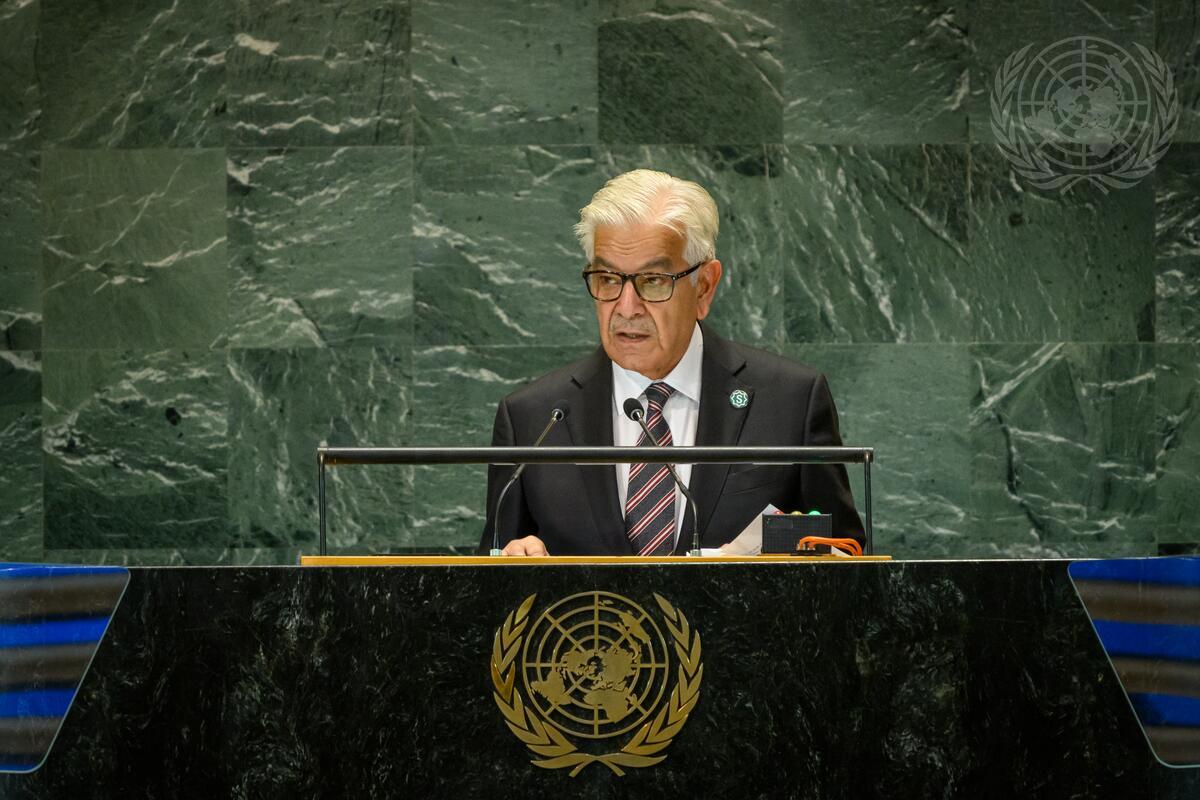
Pakistan’s Defence Minister Khawaja Asif has accused the United States of using Pakistan for strategic objectives and then abandoning it once those goals were achieved, in remarks delivered during a session of the National Assembly.
Addressing lawmakers, Asif said successive military-led governments made critical policy errors by aligning too closely with Washington, particularly during the Afghan conflicts and in the aftermath of the September 11, 2001 attacks.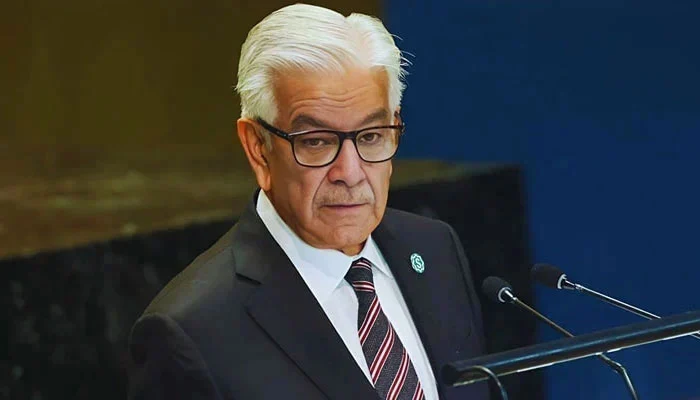
Criticism of Past Policies
Asif acknowledged that Pakistan’s involvement in the Afghan wars — first during the Soviet invasion in the 1980s and later during the U.S.-led intervention following 9/11 — had long-term repercussions for the country.
He described the decision to side with the United States in the post-9/11 “War on Terror” as one that carried severe internal consequences, including rising militancy and instability.
According to the defence minister, Pakistan continues to suffer from terrorism as “blowback” from those earlier strategic choices.
US–Pakistan Relations Under Scrutiny
The relationship between Islamabad and Washington has historically oscillated between strategic cooperation and periods of distrust. Pakistan served as a key non-NATO ally during the U.S. military presence in Afghanistan, providing logistical routes and intelligence cooperation.
However, ties became strained over issues such as counterterrorism operations, regional security priorities, and differing approaches toward militant groups.
Asif’s remarks reflect a broader debate within Pakistan about foreign policy autonomy and the long-term costs of geopolitical alliances shaped during periods of military rule.
Ongoing Security Challenges
Pakistan continues to confront security threats from militant organizations operating along its western border. Officials have frequently argued that instability in neighboring Afghanistan and past proxy conflicts have contributed to the current security environment.
The defence minister’s comments signal renewed political discussion in Islamabad about recalibrating foreign policy priorities while addressing domestic security concerns shaped by decades of regional conflict.