A Mother’s Unusual Decision After Tragedy 🕊️🤍
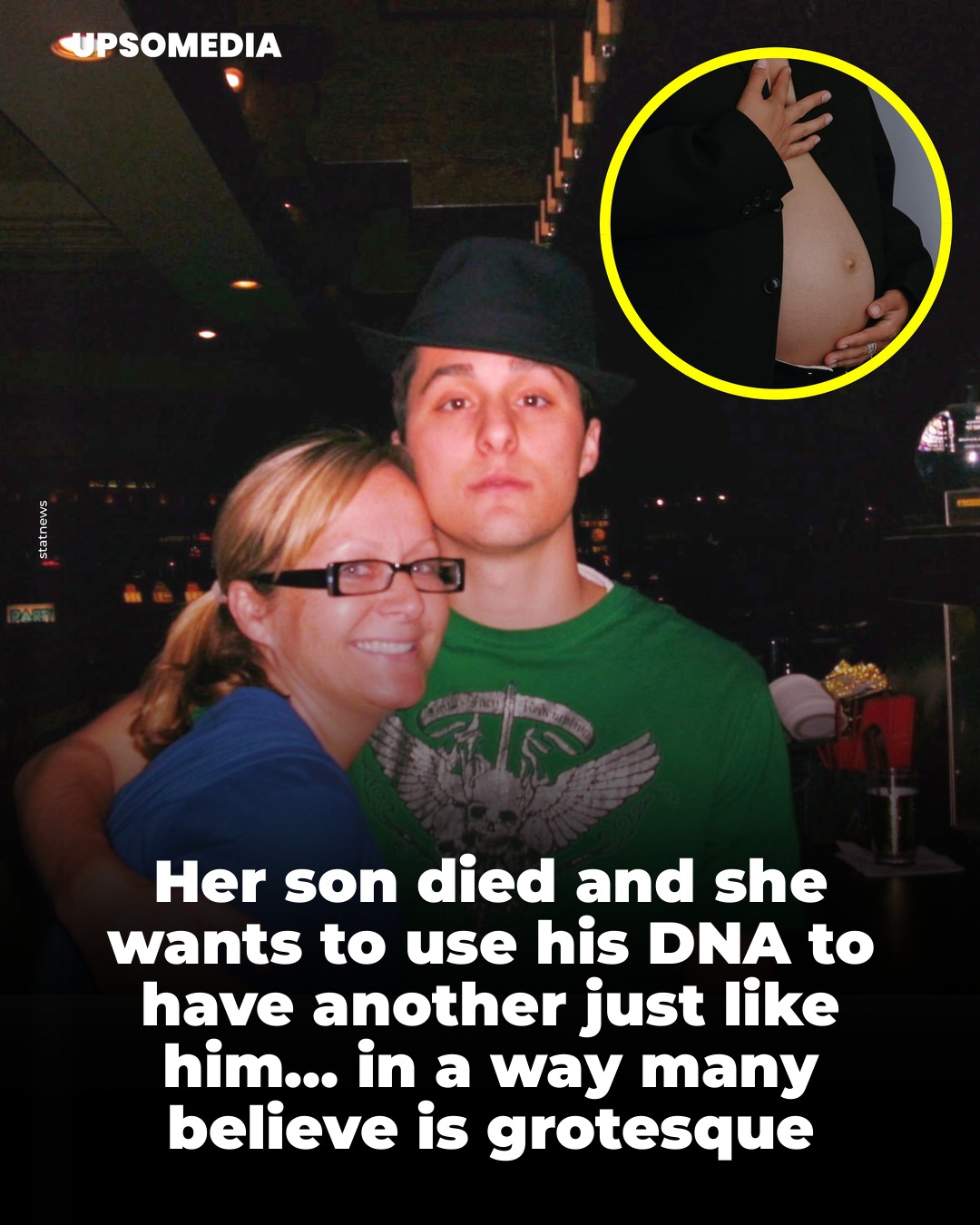
The story of Nikolas Evans is one that sits at the delicate, often painful intersection of profound grief and the cutting edge of medical ethics. It is a story about a mother trying to salvage a future that was stolen in an instant.
A Legacy Preserved in Shadow
Nikolas “Nik” Evans was a young man with a clear vision of his future. At 21, while most are just beginning to navigate adulthood, Nik already knew he wanted to be a father. He didn’t just talk about it; he lived with the intent of one day raising children, even going as far as picking out names for the sons and daughters he hoped to meet.
That dream was shattered outside a bar in Austin in 2009. Nik wasn’t a fighter; he was a peacemaker. While attempting to de-escalate a confrontation, he was struck in the head—a single, tragic blow that would ultimately lead to his death.
The Extraordinary Choice
 In the depth of her mourning, his mother, Missy Redding, remembered her son’s greatest wish. As she prepared to donate his organs—a final act of Nik’s characteristic selflessness—she made a decision that would spark international headlines: she requested Posthumous Sperm Retrieval (PSR).
This procedure, rarely performed and legally complex, was Missy’s way of “holding onto the light” her son had left behind. For her, it wasn’t just about biology; it was about:
-
Honoring a Dream: Nik’s desire for fatherhood was a defining trait of his personality.
-
The Right to a Future: Missy felt she was acting as the steward of the life Nik was supposed to have.
-
A Final Gift: Amidst the finality of death, she sought to preserve the potential for new life.
The Ethical Echo
Missy’s decision reignited a fierce global debate that continues to this day. The case forced the public and the legal system to grapple with difficult questions:
-
Consent: Can a parent or spouse truly know what a deceased person would want regarding reproduction after they are gone?
-
The Welfare of the Child: What are the psychological implications for a child born years after their father’s passing?
-
The Boundaries of Grief: Where is the line between honoring a loved one and being unable to let go?
“For Missy, it wasn’t a debate about ethics; it was a mother’s final act of love for a son who had his entire world taken away for trying to do the right thing.” 🕊️