Hunter’s Emotional Physical Therapy Breakthrough: A Powerful Step on His Road to Recovery
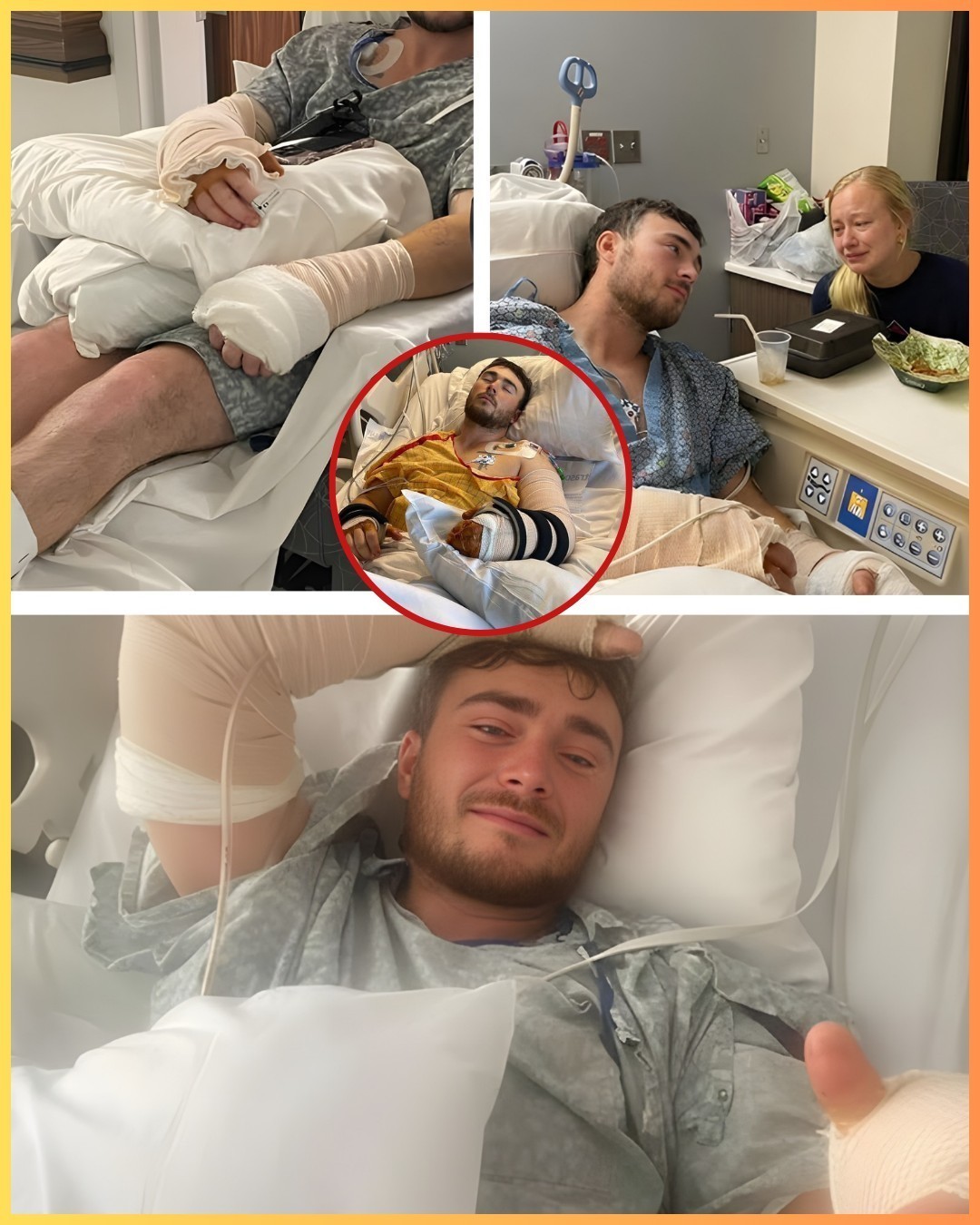
In a heartbreaking yet inspiring update, Hunter’s first physical therapy session marked a turning point in his long and uncertain recovery journey. What began as a routine rehabilitation appointment quickly became an emotional milestone, as damaged nerves painfully started firing again. The physical pain was intense, pushing him to his absolute limits — but the emotional weight of the moment ran even deeper.
During the session, doctors explained that the reactivation of damaged nerves is a critical part of the healing process. While it signals potential progress, it also brings overwhelming discomfort. For Hunter, every pulse of pain was a reminder of what he had endured — and what he still fears losing. Recovery after severe nerve damage is never simple. It demands resilience, patience, and mental strength as much as physical endurance.
In a vulnerable moment that silenced the room, Hunter admitted, “I’m scared I won’t be able to protect my family anymore.” His words revealed a deeper struggle — not just about physical strength, but about identity. For many, strength is tied to the ability to provide, to defend, to stand tall for loved ones. Facing the possibility of permanent change can feel like losing a piece of oneself.
Yet what happened next transformed fear into something far more powerful.
With visible determination, Hunter added, “This arm may never be the same… but it’s still strong enough to hold the people I love.” That single statement shifted the atmosphere from despair to quiet strength. It was not just about muscle or movement. It was about love, purpose, and redefining what strength truly means.
Physical therapy after nerve injury is often described as one of the most challenging phases of recovery. The process can be slow, unpredictable, and emotionally draining. Progress is measured in small victories — a twitch, a slight increase in grip, a moment of regained sensation. For patients like Hunter, every session becomes both a battle and a breakthrough.
Experts emphasize that nerve regeneration and rehabilitation require time, consistency, and emotional support. Pain during early therapy can signal that neural pathways are attempting to reconnect. Though difficult, these moments often represent the body’s effort to heal. Still, the psychological toll can be just as significant as the physical strain.
Hunter’s experience highlights the importance of mental resilience during recovery. Fear of permanent disability, anxiety about the future, and concerns about family responsibilities can weigh heavily on patients. Support from loved ones and medical professionals plays a crucial role in sustaining hope.
This raw and powerful moment during Hunter’s first physical therapy session reminds us that recovery is not only about regaining physical function. It is about rediscovering strength in new forms. Sometimes, true power is not measured by how hard we can fight — but by how deeply we can love, even in vulnerability.
As Hunter continues his road to recovery, his words resonate far beyond the therapy room. His journey serves as a testament to perseverance, emotional courage, and the evolving definition of strength. The road ahead remains uncertain, but one thing is clear: resilience is not about perfection — it’s about showing up, even when it hurts.
Follow for more updates on Hunter’s recovery journey and inspiring moments of courage.