SpaceX Unveils “Stargaze” to Monitor Crowded Low Earth Orbit
Elon Musk announced that SpaceX has introduced Stargaze, a new space traffic management and situational awareness system designed to improve safety in increasingly crowded Low Earth Orbit (LEO).
According to the company, Stargaze leverages star trackers installed aboard Starlink satellites, effectively transforming the constellation into a distributed, space-based sensor network. Instead of relying solely on ground-based radar and telescopes, the system uses on-orbit observations to detect and track objects.
Faster Collision Warnings
SpaceX says Stargaze analyzes tens of millions of object transits daily, processing data in near real time. The company claims the system can issue collision alerts within minutes, compared to the hours often required by traditional monitoring methods.
With thousands of active satellites and a growing volume of orbital debris, rapid detection is considered critical for avoiding in-orbit collisions.
Addressing the Kessler Syndrome Risk
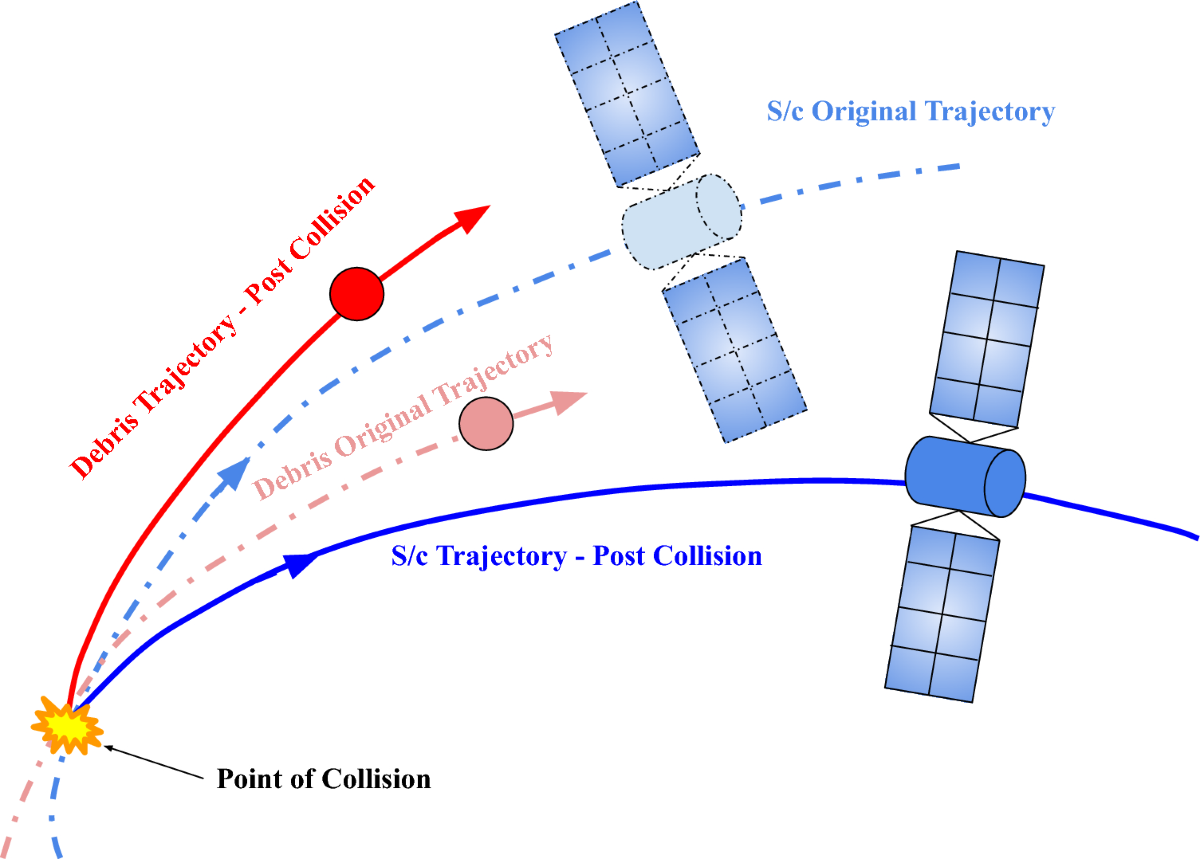
The initiative is partly aimed at mitigating the threat of the Kessler Syndrome — a theoretical scenario in which collisions generate cascading debris, making certain orbital regions unusable.
By improving tracking accuracy and shortening response times, Stargaze is intended to reduce the probability of satellite collisions that could contribute to such a chain reaction.
Data Sharing Plans
Musk stated that Stargaze data will be shared free of charge with satellite operators, with broader access expected in 2026. Industry observers note that cooperation between commercial operators will likely be essential as satellite constellations continue to expand.
Low Earth Orbit has become increasingly congested over the past decade, driven by the rapid deployment of broadband satellite networks. Systems like Stargaze reflect a growing push within the aerospace industry to modernize space traffic management before orbital congestion becomes a critical bottleneck.