Steel Meets Silicon: US Shipyards Embrace AI to Solve Labor Crisis
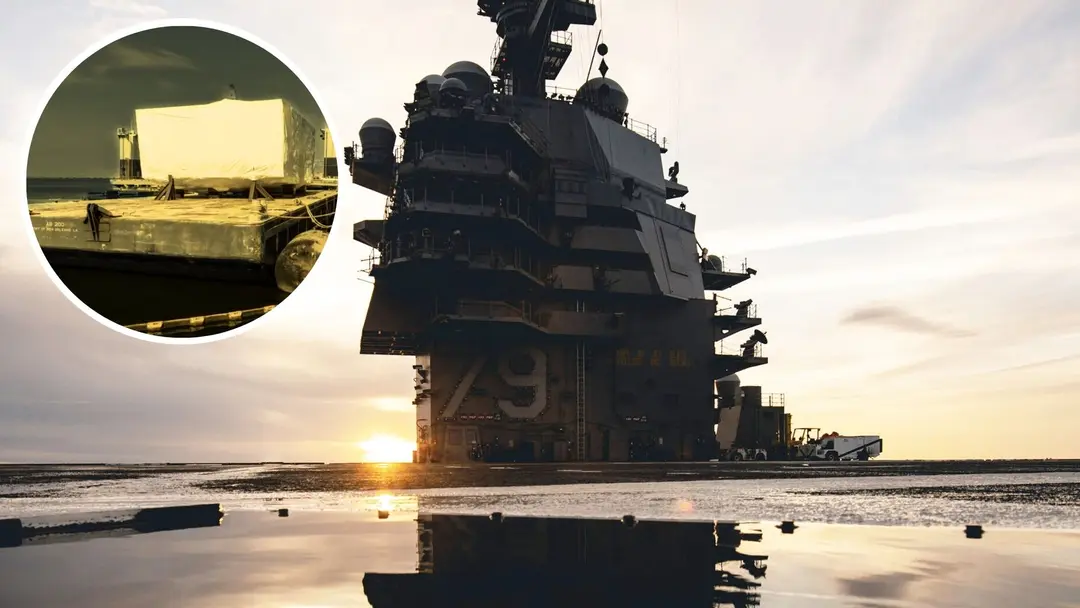
In a bold move to reclaim global maritime dominance, US shipbuilding is undergoing a radical transformation. Artificial Intelligence is no longer just navigating ships; it is now learning how to build them.
The Robotic Renaissance
The rhythmic clanging of hammers is being joined by the silent precision of algorithms. Major US defense contractors, in partnership with Silicon Valley’s leading AI firms, have begun large-scale testing of autonomous systems designed to handle the most grueling tasks in shipbuilding.
From the sprawling docks of Virginia to the shipyards of Mississippi, AI-driven robotic arms are now performing high-precision welding and heavy-duty steel cutting—tasks that once required decades of human apprenticeship to master.
Solving the “Human Gap”
The push for automation isn’t just about speed; it’s about survival. The US maritime industry has been stifled by a chronic shortage of skilled welders, pipefitters, and engineers. By integrating an AI “brain” into the fabrication process, shipyards can now:
Predictive Maintenance: AI sensors monitor machinery to prevent breakdowns before they occur.
Automated Quality Control: High-resolution cameras and AI scanners detect microscopic structural flaws in hull plates that the human eye might miss.
Logistical Optimization: Algorithms manage the flow of thousands of components, ensuring that “just-in-time” manufacturing actually works in a complex shipyard environment.
The Rise of Unmanned Vessels
While AI is building the ships, it is also changing the nature of the ships themselves. This boost in automated manufacturing is directly tied to the Navy’s “Ghost Fleet” initiative. The goal is to produce a new generation of Unmanned Surface Vessels (USVs)—ships designed from the ground up to operate without a crew, manufactured by a facility that requires fewer humans.
A New Industrial Era
Critics argue that automation could threaten traditional blue-collar jobs. However, industry leaders insist that AI is a “force multiplier.” Instead of replacing workers, the technology is intended to handle the dangerous, repetitive tasks, allowing the existing workforce to focus on high-level systems integration and oversight.
As the US races to compete with the massive shipbuilding output of rival nations, this “AI layer” in the shipyard may be the only way to ensure the next generation of the fleet is delivered on time and on budget.