Moon Mission Stalled: Critical Helium Fault Forces NASA to Delay Artemis II Launch
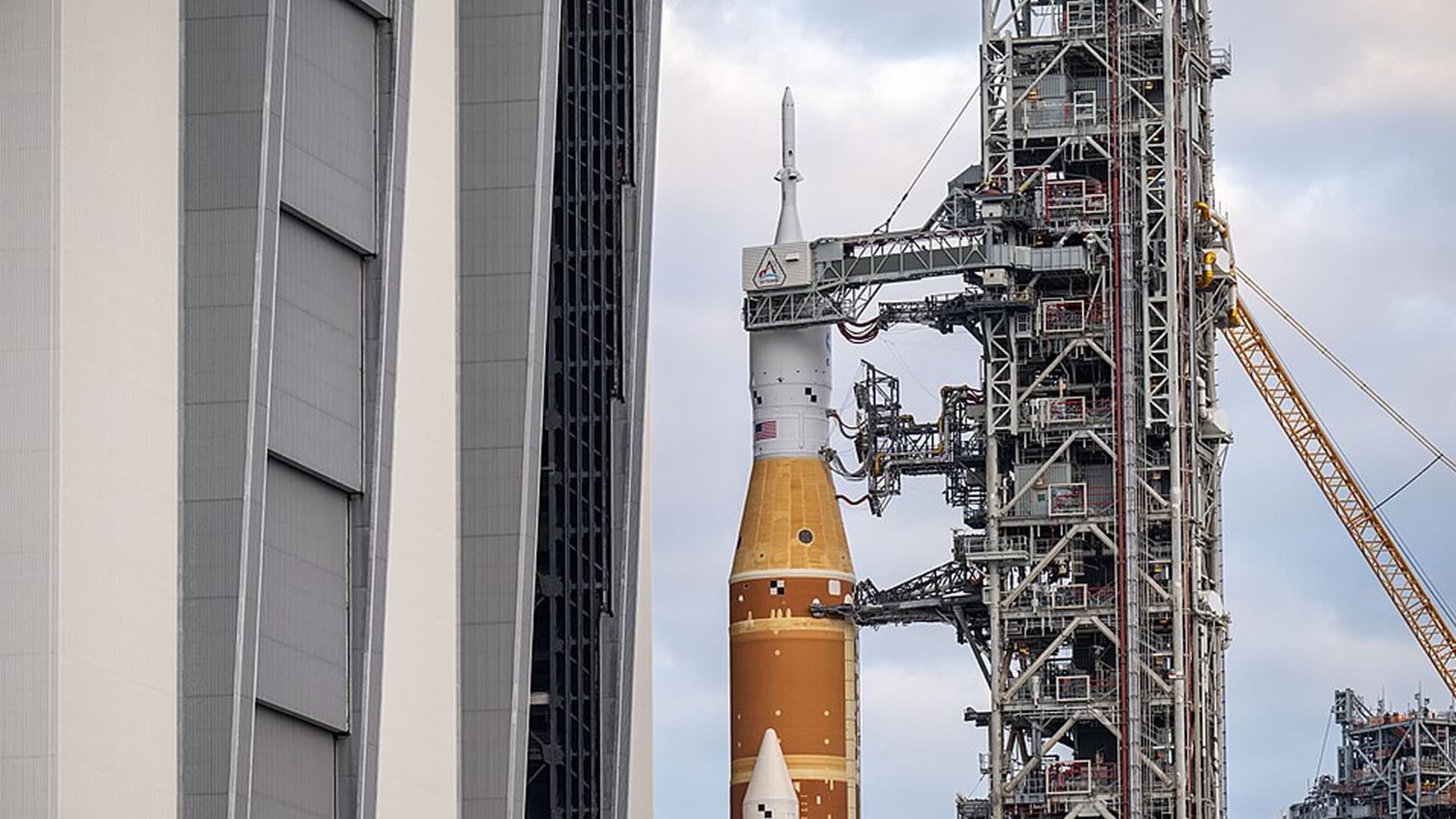
Just 24 hours after setting a historic launch date, NASA has been forced to postpone the first crewed lunar mission in half a century due to a persistent technical glitch.A Sudden Setback
The countdown to history has hit a significant hurdle. On Sunday, February 22, 2026, NASA officials confirmed that the Artemis II mission—intended to send four astronauts on a high-stakes flyby of the Moon—will no longer target its March 6 launch window.
The decision comes after engineers identified a critical fault in the helium system of the Space Launch System (SLS) rocket’s upper stage. Helium is vital for the mission, as it is used to pressurize fuel tanks and purge the engines during the launch sequence. An “interrupted flow” detected overnight has made a launch attempt impossible without deep-access repairs.
The “Rollback” Reality
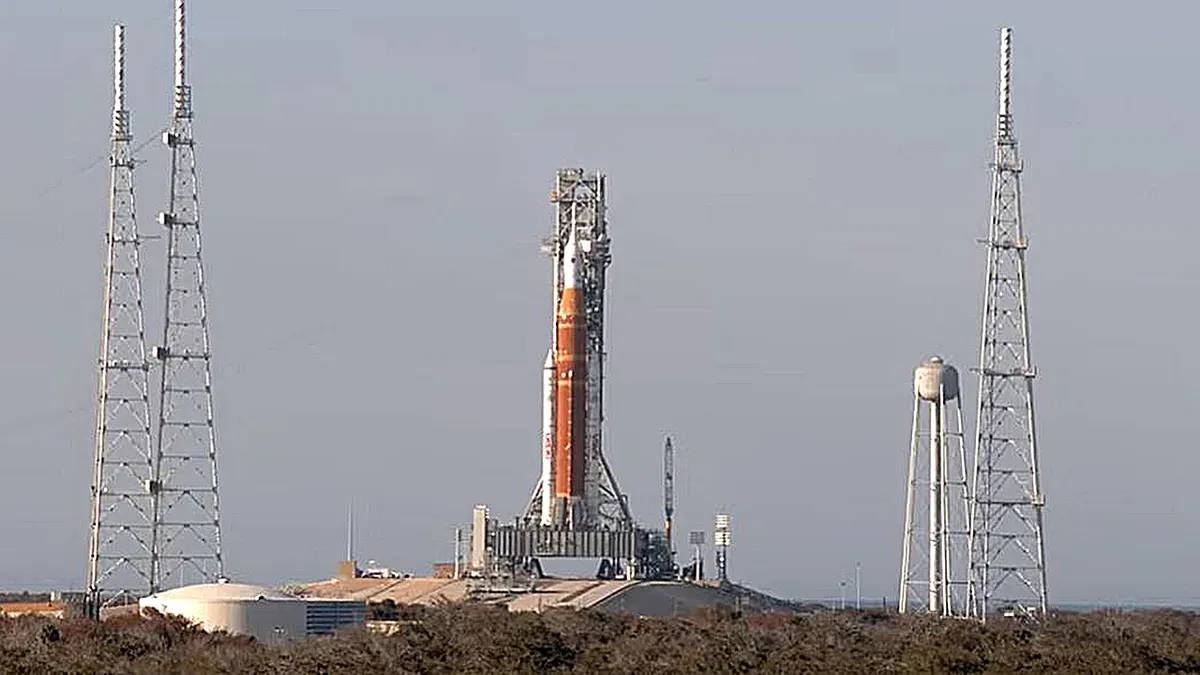
NASA Administrator Jared Isaacman announced that the 322-foot-tall rocket must be rolled back from Launch Pad 39B to the Vehicle Assembly Building (VAB) at Kennedy Space Center.
“We are disappointed, but safety remains our north star,” Isaacman stated. “Accessing the faulty valve or filter requires the controlled environment of the VAB. This effectively removes the March window from consideration.”
Engineers are currently investigating whether the issue stems from a faulty connection plate, a failed valve, or a clogged filter. Ironically, the system had functioned perfectly during the “wet dress rehearsal” completed just days earlier, making this “interrupted flow” an unexpected and frustrating development for the team.
April: The New Frontier
With March off the table, NASA is now eyeing launch opportunities in early or late April 2026. The four-person crew—Commander Reid Wiseman, Victor Glover, Christina Koch, and Jeremy Hansen—had already entered a “soft quarantine” in preparation for the flight. They will now remain in a heightened state of readiness as the engineering teams begin the arduous task of moving the rocket back to its hangar.
This delay is a stark reminder of the complexities of deep-space travel. While the world waits for humanity’s return to the lunar vicinity, NASA remains firm: they will not fly until the “Silicon and Steel” are as ready as the crew.