THE 98% REVOLUTION: How Norway Built an EV Paradise in the Frozen North
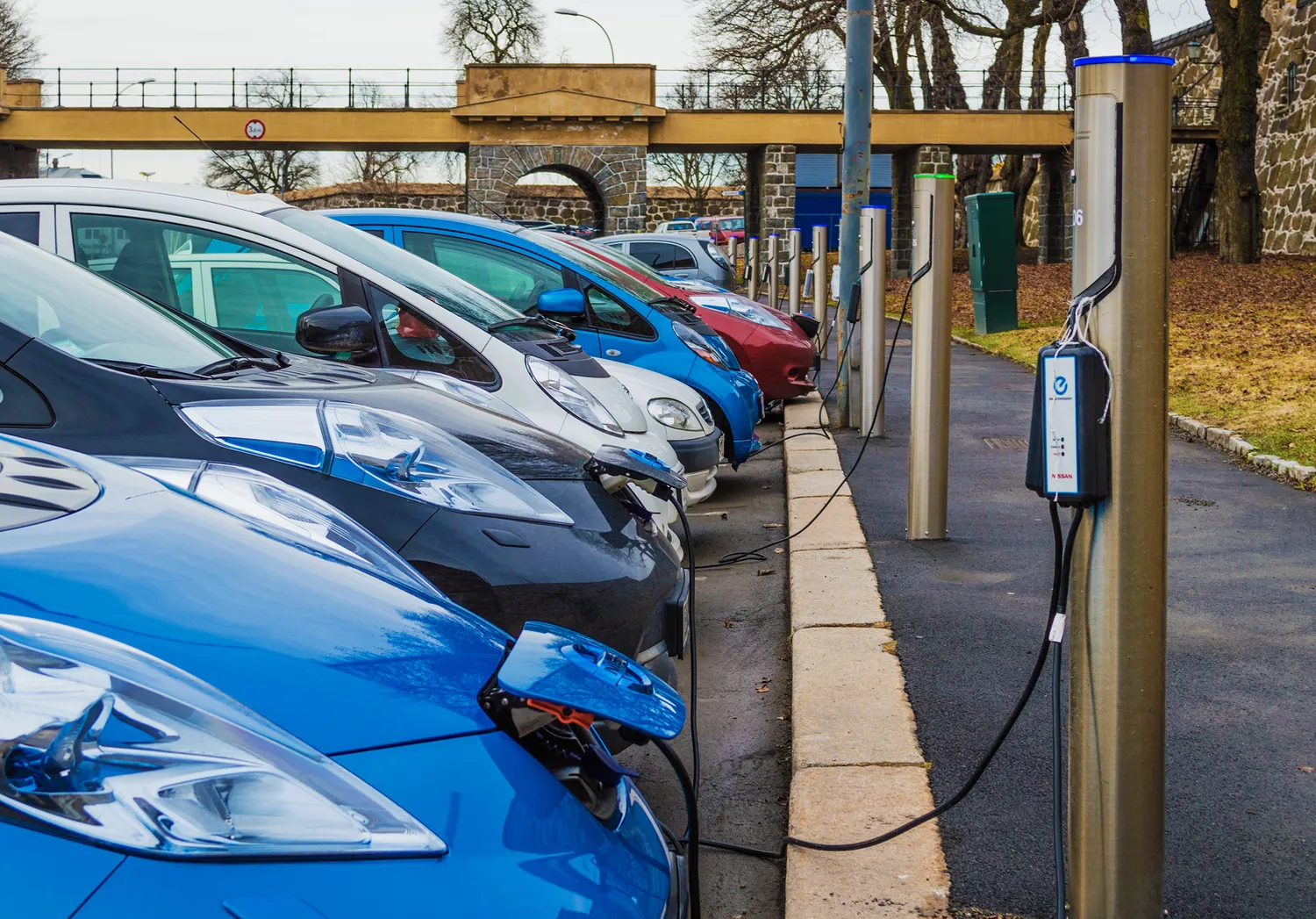
OSLO, NORWAY — In a landmark achievement that has left the global automotive industry stunned, Norway has officially reached a tipping point in its energy transition. As of September 2025, a staggering 98.3% of all new vehicle registrations in the country were battery electric vehicles (BEVs).
This record-breaking figure serves as a definitive case study for the rest of the world, proving that even in environments where temperatures plunge to -40°C, the internal combustion engine can be effectively phased out.
The Policy Engine: “Polluter Pays”
The rapid shift to electric mobility wasn’t accidental; it was the result of a deliberate, long-term economic strategy. By leveraging the “polluter pays” principle, Norway dismantled the market for traditional cars:
Taxation Strategy: Combustion engine vehicles are subject to aggressive import taxes and registration fees, making them significantly more expensive than their electric counterparts.
Incentive Alignment: Electric vehicles are exempt from these heavy import duties.
VAT Relief: While the full VAT exemption was adjusted in 2023, vehicles priced under €42,600 continue to benefit from significant tax advantages, keeping the barrier to entry low for the average consumer.
Conquering the Cold
The most common argument against widespread EV adoption is performance degradation in extreme cold. Norway’s solution was twofold:
Preconditioning: Most Norwegian owners utilize app-controlled “preconditioning” to heat the battery and cabin while the car is still plugged in, ensuring the vehicle is at an optimal operating temperature before it ever hits the road.
Heat Pump Efficiency: Advanced heat pump technology—now standard in almost all EVs sold in the region—has replaced inefficient resistive heaters, allowing the car to maintain cabin warmth with minimal impact on the battery range.
A Blueprint for the Future?
Norway’s success goes beyond just buying cars; it is about infrastructure and consistency. With one of the highest per-capita densities of fast-charging stations in the world, the “range anxiety” that plagues drivers elsewhere is effectively non-existent. For the rest of the European Union, Norway stands as proof that when fiscal policy and infrastructure align, the transition is not just possible—it is inevitable.