THE UNAPOLOGETIC CHAMPION: How Alysa Liu Reclaimed Her Joy and the Ice
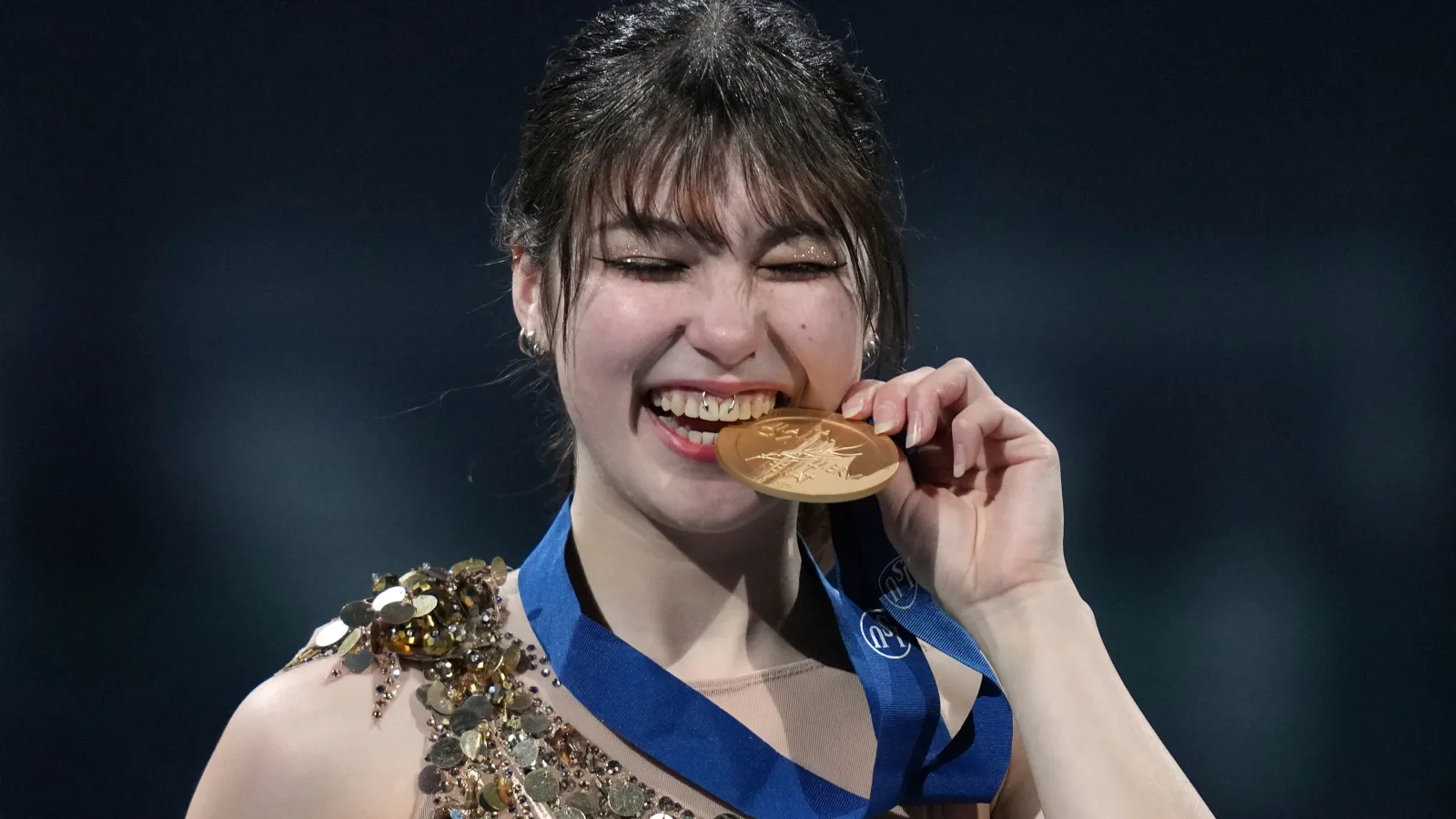
MILAN, ITALY — For years, the story of women’s figure skating was a familiar, often grim, script: vanishing youth, industrial-grade pressure, and control that left little room for the human being beneath the sequins. Then came the story of Alysa Liu. After retiring at 16—a world-class talent burned out by a system that demanded everything and offered little agency in return—she walked away. When she returned in 2024, she didn’t just come back to reclaim her past; she came back to author an entirely new future.
The Conditions of the Comeback
Liu’s return to the ice was not a submission to the old guard; it was a restructuring of the entire partnership. Her comeback was anchored by a non-negotiable set of standards that flipped the traditional “coach-athlete” power dynamic on its head:
Creative Autonomy: Liu insisted on selecting her own music and collaborating on choreography, ensuring the art on the ice was a reflection of her identity rather than an instructor’s vision.
Bodily Sovereignty: Rejecting the culture of weight control that has long plagued the sport, Liu demanded a nutrition plan that prioritized health and sustainability.
The “Joy” Metric: She established a training schedule that respected her physical and mental limits, prioritizing “joy” over the relentless, injury-prone grind.
Setting Boundaries: Perhaps most importantly, Liu set strict boundaries around her professional environment, removing the overbearing influence that had once clouded her love for the sport.
Skating for the Art, Not the Medal
The narrative of Liu’s career shifted from the pursuit of “gold at all costs” to “gold as a byproduct of passion.” Her performance at the 2025 World Championships was the first indicator that this experiment in agency worked: she won not just with technical difficulty, but with a level of maturity and ease rarely seen in the sport.
By the time she reached the 2026 Winter Olympics in Milan, the pressure that once broke her as a teenager was absent. She wasn’t carrying the expectations of a country or the demands of handlers; she was simply skating for the art.
The Result: A New Paradigm
When Alysa Liu stood on the podium in Milan to receive her Gold medal, it wasn’t just a win for the United States—it was a vindication of the “athlete-first” model. Her victory proves that the highest level of athletic excellence does not require the sacrifice of the human being behind the skates. She returned a woman in full command of her life, and in doing so, she became the undisputed queen of the ice.