OPERATION EPIC FURY: The Middle East at a Tectonic Crossroads
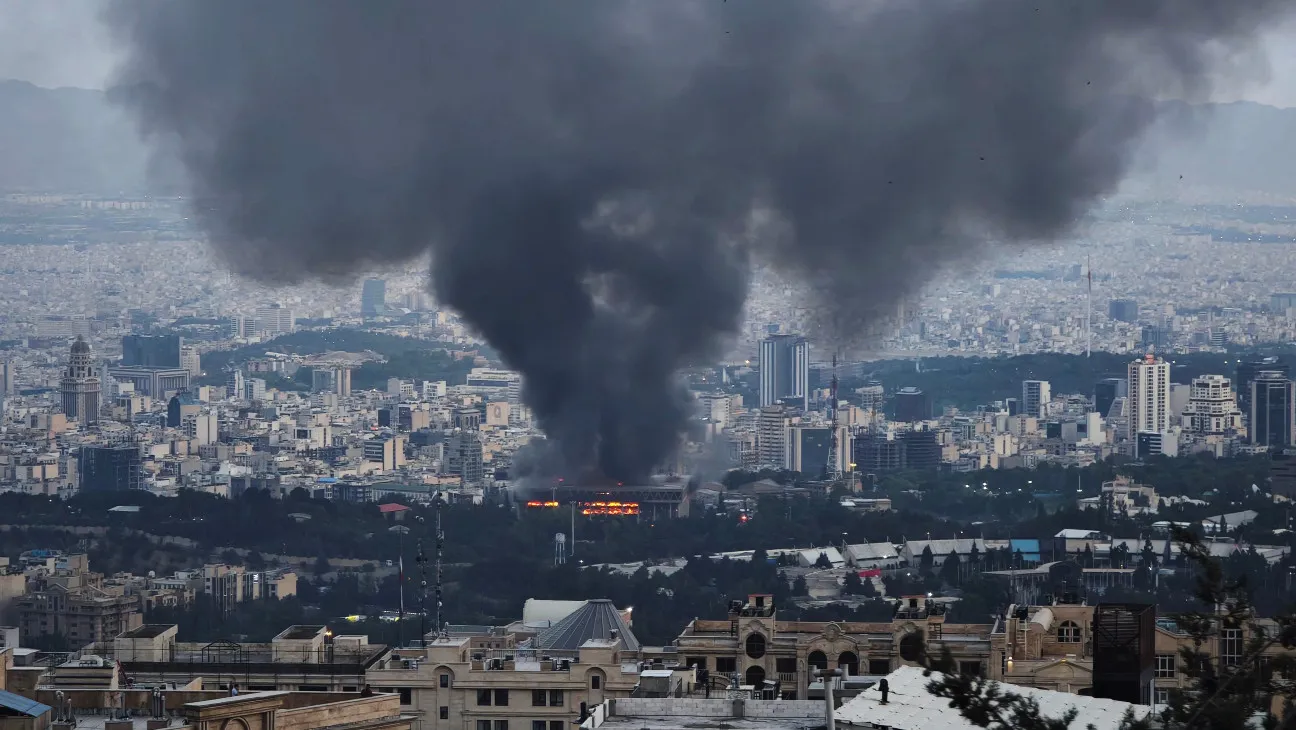
TEHRAN / WASHINGTON — In the early hours of Saturday, February 28, 2026, the long-simmering tensions in the Middle East broke into open conflict. In a move designated as “Operation Epic Fury,” the United States and Israel launched a massive, coordinated military campaign against Iran, marking a significant escalation in a geopolitical crisis that has gripped the region for years.
The operation, which was reportedly planned over several months of high-stakes coordination between Washington and Jerusalem, signals a definitive end to the diplomatic stalemate that had defined the preceding weeks.
A Coordinated Strike
Unlike previous engagements which often occurred under the cover of night, the current strikes began in broad daylight—a tactical decision designed to surprise Iranian leadership, who were reportedly bracing for a nocturnal operation.
The Targets: Reports indicate that the primary targets include key military infrastructure, missile production facilities, and sites associated with the Islamic Revolutionary Guard Corps (IRGC). Strikes have been confirmed in multiple cities, including Tehran, Isfahan, Qom, and Tabriz.
The Strategy: Israeli defense officials have characterized the action as a “preemptive strike” intended to neutralize imminent threats. Meanwhile, U.S. President Donald Trump, in a video statement, confirmed American participation, describing the intent as “eliminating threats from the Iranian regime” and ensuring the security of U.S. troops and allies.
The Geopolitical Fallout
The immediate aftermath has seen a scramble to manage the fallout. Both Iran and Israel have closed their airspaces to civilian traffic, and sirens have sounded across Israel as the IDF anticipates potential retaliatory measures. The global community is now watching with bated breath to see if this “initial phase”—which reports suggest is planned to last for four days—will expand into a wider regional conflagration or if it can be contained to the current military objectives.
For Tehran, the strikes represent a direct challenge to their regional standing. With reports emerging that leadership, including Supreme Leader Ayatollah Ali Khamenei, has been moved to secure locations, the Iranian government faces a critical choice: a massive retaliatory response or a calculated attempt to absorb the strikes while rallying diplomatic support.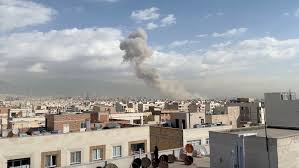
The “Daylight” Difference
Analysts note that the choice of a daytime strike is emblematic of the current administration’s willingness to disrupt established patterns. By disregarding the traditional “rules” of covert nocturnal warfare, the U.S. and Israel are signaling a move toward transparency of force—effectively stating that the window for quiet negotiation has closed, and the era of kinetic enforcement has begun.
As the situation remains fluid, the world is left asking: Where does this path lead? If “Operation Epic Fury” achieves its goal of dismantling Iran’s ballistic missile capabilities, it could alter the regional power balance for a generation. If it fails to contain the response, however, it risks igniting a multi-front conflict that may prove difficult to extinguish.