THE QUINCY BREACH: Disaster, Deception, and Doubt

WEST QUINCY, MISSOURI — The Great Flood of 1993 remains one of the most devastating natural disasters in American history, turning the heartland into a sprawling, muddy inland sea. But for the small community of West Quincy, the tragedy took a dark and highly debated turn when a massive levee breach led to the conviction of James Scott for “causing a catastrophe.”
A Disaster or a Crime?
On the night of July 16, 1993, the levee protecting the West Quincy drainage district succumbed to the pressure of the rising Mississippi River. The breach flooded 14,000 acres, destroying crops and infrastructure. While officials initially viewed it as a failure of engineering against an unprecedented force of nature, the narrative shifted toward human intervention.
James Scott, a local resident, became the target of a bizarre and headline-grabbing investigation.
The Prosecution’s Narrative
Prosecutors built their case on a motive that seemed plucked from a crime novel: they alleged that Scott intentionally sabotaged the levee because he wanted his wife to be stranded on the Illinois side of the river. According to the state, this would grant him the freedom to party and carouse without her interference.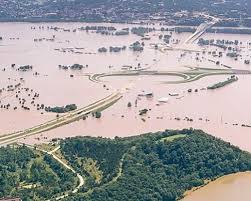
The trial relied heavily on circumstantial evidence and witness testimony, including:
The “Witness”: Witnesses claimed to see Scott near the levee at the time of the breach, though their accounts were frequently challenged by the defense.
The Motive: The prosecution presented the “party” motive as the primary driver, which drew national attention and disbelief from Scott’s supporters.
The Technical Argument: The defense argued that the levee, which had been under extreme stress for weeks, was destined to fail regardless of any human intervention—a position supported by some hydraulic experts who argued that the structural integrity of the barrier had been fundamentally compromised.
A Life Sentence and Lingering Questions
Scott was ultimately convicted of causing a catastrophe and sentenced to ten years to life in prison. Despite the guilty verdict, the case has never fully settled in the public consciousness.
For over three decades, supporters of Scott and several legal observers have pointed to the lack of direct physical evidence—such as tools or forensic proof—that he actually breached the barrier. To many, the case remains a symbol of small-town justice potentially gone wrong, exacerbated by the intense pressure authorities faced to find a culprit for the historic disaster.