THE QUINCY BREACH: A Legal Thriller or a Miscarriage of Justice?
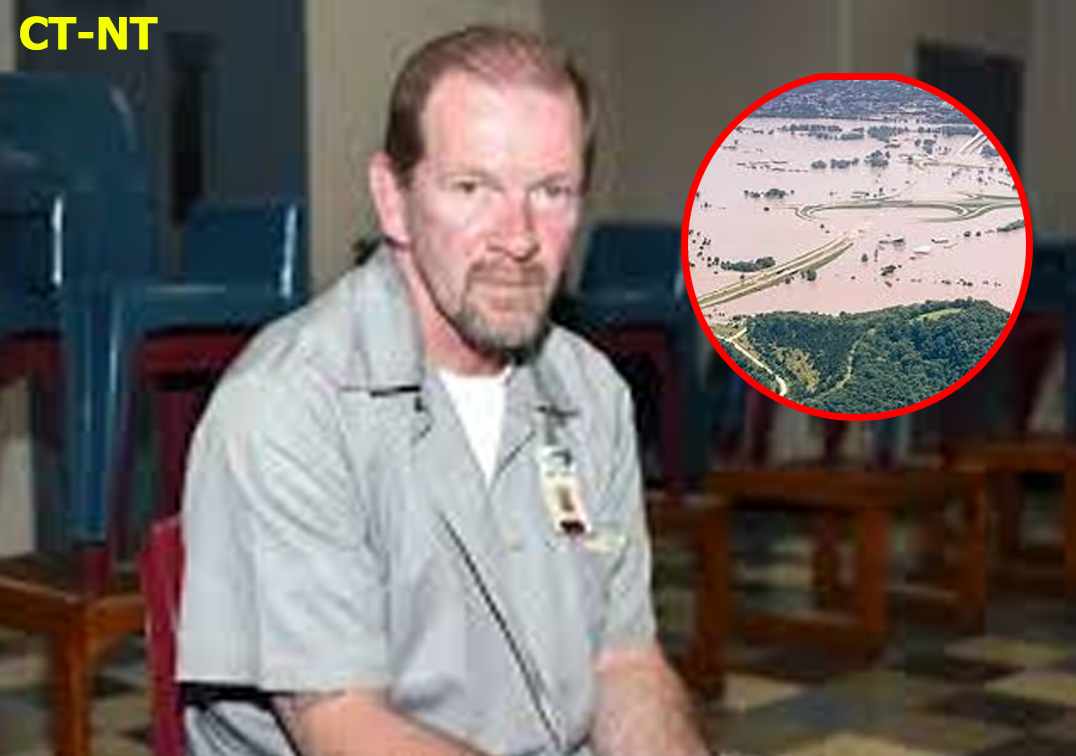
WEST QUINCY, MISSOURI — In the summer of 1993, the Mississippi River was not just a waterway; it was an existential threat. As the “Great Flood” devastated the region, the collapse of a levee near West Quincy became the flashpoint for a criminal investigation that would end in a life sentence.
The Prosecution’s Narrative: A Bizarre Motive
The state of Missouri argued that the breach was not an act of God, but an act of sabotage. The motive presented was, to put it mildly, unconventional:
The “Party” Theory: Prosecutors claimed James Scott, then 23, deliberately cut the levee to trap his wife on the Illinois side of the river. The goal? To gain the freedom to “party” without her presence.
The Trial: The prosecution relied on the testimony of friends and acquaintances who claimed Scott had boasted about his intentions. There was no direct forensic evidence—no shovel, no tools, and no physical proof that Scott was at the exact breach point at the exact time.
The Scientific Defense: Ticking Time Bombs
The defense—and many independent engineers—argued that blaming a human for the breach ignored the terrifying reality of the 1993 flood.
Hydrostatic Pressure: Experts testified that the levee was under extreme hydrostatic pressure. When floodwaters push against a levee, they often exploit “weak spots” or animal burrows (a process called piping), leading to a sudden, catastrophic collapse.
Inevitability: Many hydraulic engineers argued that the West Quincy levee was destined to fail given the sheer volume of water and the lack of proper maintenance, regardless of any human intervention.
A Controversial Legacy
James Scott was convicted in 1994 of intentionally causing a catastrophe and sentenced to life in prison. He has spent over 30 years maintaining his innocence.
The case remains a cautionary tale in legal circles. Critics argue that in the aftermath of a massive disaster, communities crave a villain. Because Scott had a troubled past, he became the perfect target for a legal system desperate to provide the public with a tangible person to blame for an uncontrollable natural tragedy.