Deadly Flash Flood Strikes China-Nepal Border, Leaving Hundreds Missing
Deadly Flash Flood Strikes China-Nepal Border, Leaving Hundreds Missing
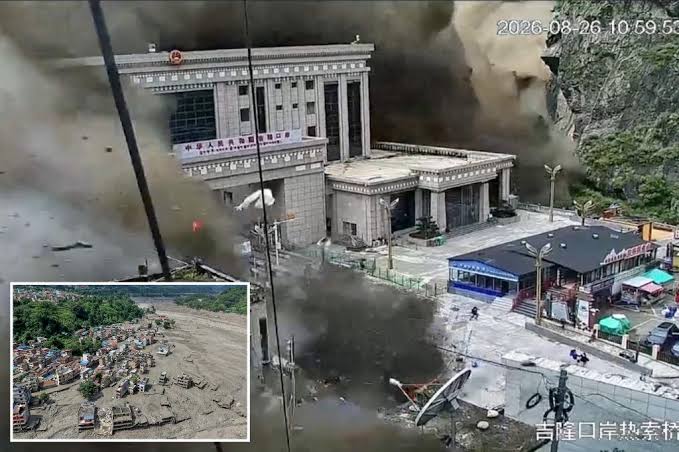
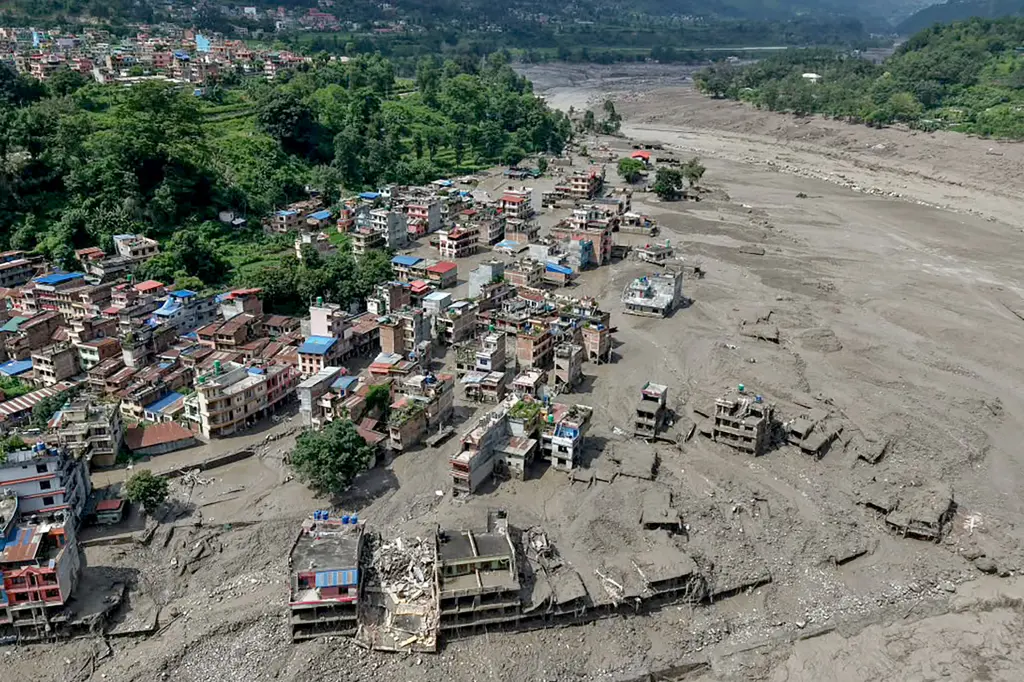
KATHMANDU — A catastrophic flash flood struck the China-Nepal border region Wednesday, killing at least 160 people and leaving hundreds more missing as rescue teams searched through devastated communities.
The disaster swept through parts of Nepal and Tibet after a massive collapse of ice and rock sent an enormous surge of water and debris down Himalayan valleys.
Sudden Disaster
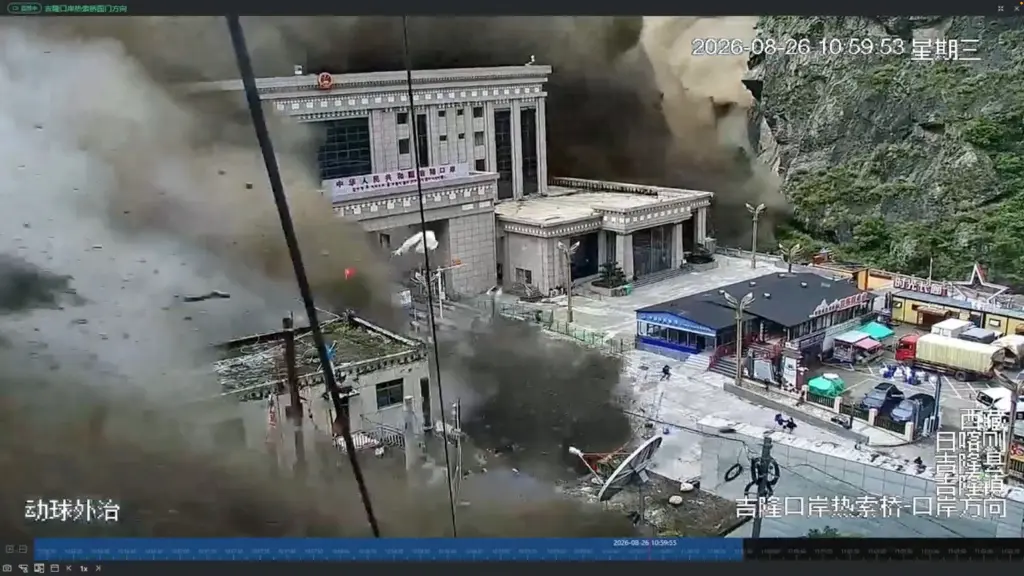
The flooding struck with little warning, overwhelming communities and damaging roads, bridges and other infrastructure.
In Nepal, the hardest-hit areas included the Rasuwa and Nuwakot districts. Across the border, China’s Tibet region also reported deaths and hundreds of people missing.
The scale of the disaster remains uncertain because communications and transportation have been disrupted in several affected areas.
Tourists and Foreign Nationals Among Missing
The region is popular with international travelers and religious pilgrims, particularly during the pilgrimage season.
Authorities said hundreds of foreign nationals were among those unaccounted for, including visitors from countries such as India, the United States, Britain, Australia and Canada.
Families and governments around the world have been working to determine whether their citizens were caught in the disaster.
Rescue Efforts Underway
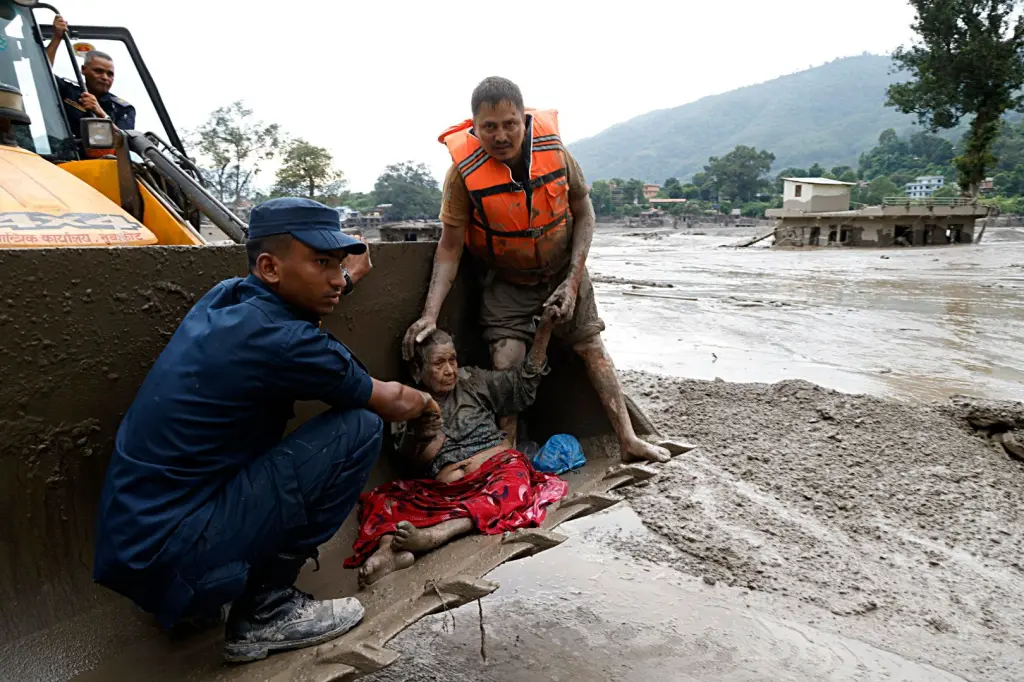
Nepalese and Chinese emergency teams have been deployed to search for survivors and assist people trapped by the flooding.
Helicopters and emergency crews are being used where roads have been destroyed or become inaccessible. Authorities have also warned residents in downstream areas about continuing flood risks.
The difficult terrain and damaged infrastructure are making rescue operations particularly challenging.
What Caused the Flood?
Initial reports suggested that an earthquake may have triggered the disaster.
Further analysis, however, indicated that the seismic activity was associated with a glacial collapse and massive debris flow, rather than a conventional earthquake. The collapse sent water, ice, rock and sediment into waterways below.
Scientists have increasingly warned that changing conditions in the Himalayas can make glaciers and glacial lakes less stable, creating a serious risk for communities downstream.
Death Toll Could Rise
Officials continue to recover victims and search for people who remain missing, meaning the casualty figures could change substantially.
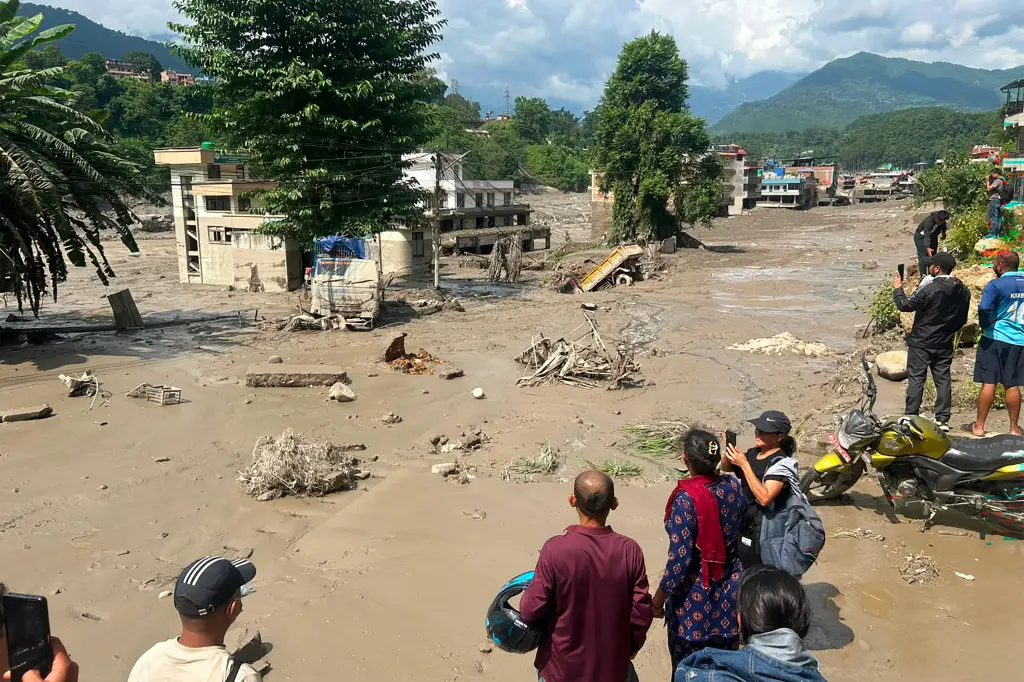
The flooding has already destroyed homes and critical infrastructure while disrupting transportation across parts of the border region.
For families still waiting for information about missing relatives, the priority remains finding survivors and bringing people to safety.
Rescue operations are expected to continue as authorities assess the full scale of one of the region’s most devastating recent natural disasters.