🚨 Iran. Israel. USA. Tensions Escalate — What Does This Mean for Your Money? 🌍
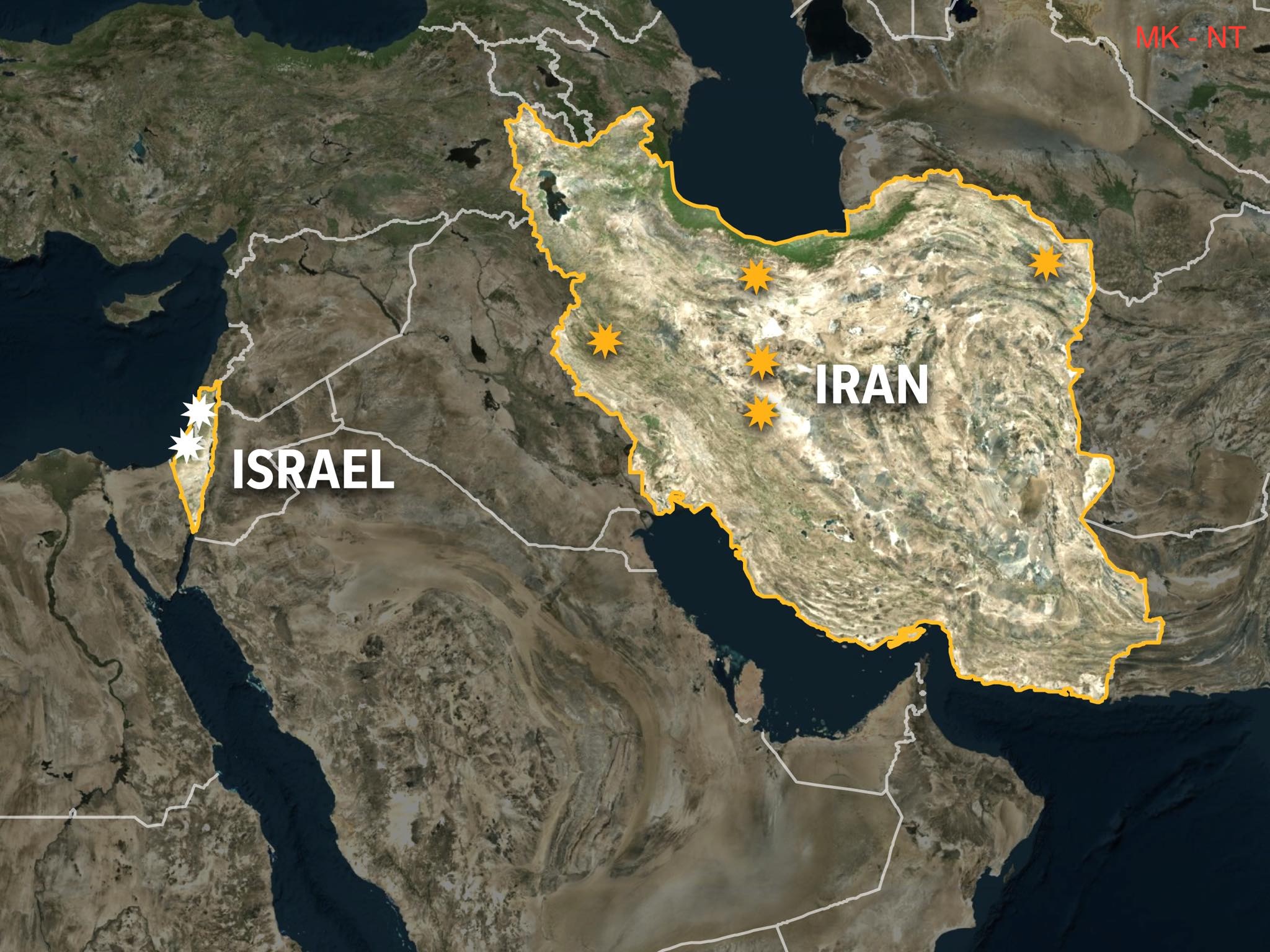
Reports of U.S.–Israeli strikes on Iran and retaliatory missile activity have sharply increased geopolitical tensions in the Middle East. Markets are reacting. Oil prices are volatile. Global investors are watching closely.
 This didn’t come out of nowhere.
Iran has faced deep economic strain for months. Diplomatic efforts have struggled. Military posturing increased. Now the region is on edge.
And here’s what history teaches us:
 Wars are not only military events — they are financial events.
Nearly 20% of the world’s oil flows through the Strait of Hormuz. Any disruption there can send energy prices higher. ⛽
When energy rises:
• Inflation pressures increase
• Governments increase spending
• Markets become unstable
In past conflicts, governments often responded by expanding debt and liquidity. Over time, that can weaken purchasing power.
So what matters now?
Not panic.
Preparation.
Historically during geopolitical crises, investors look toward:
• Gold and commodities
• Energy exposure
• Defensive assets
• Real assets tied to inflation
The real risk isn’t just headlines — it’s volatility and economic ripple effects.
This moment may not define the next decade. But how you position yourself during uncertainty can.
Stay informed. Stay rational. Prepare — don’t panic. 🌐