IRANIAN LEADERSHIP VACUUM: COMMANDERS PAKPOUR AND SHAMKHANI CONFIRMED DEAD
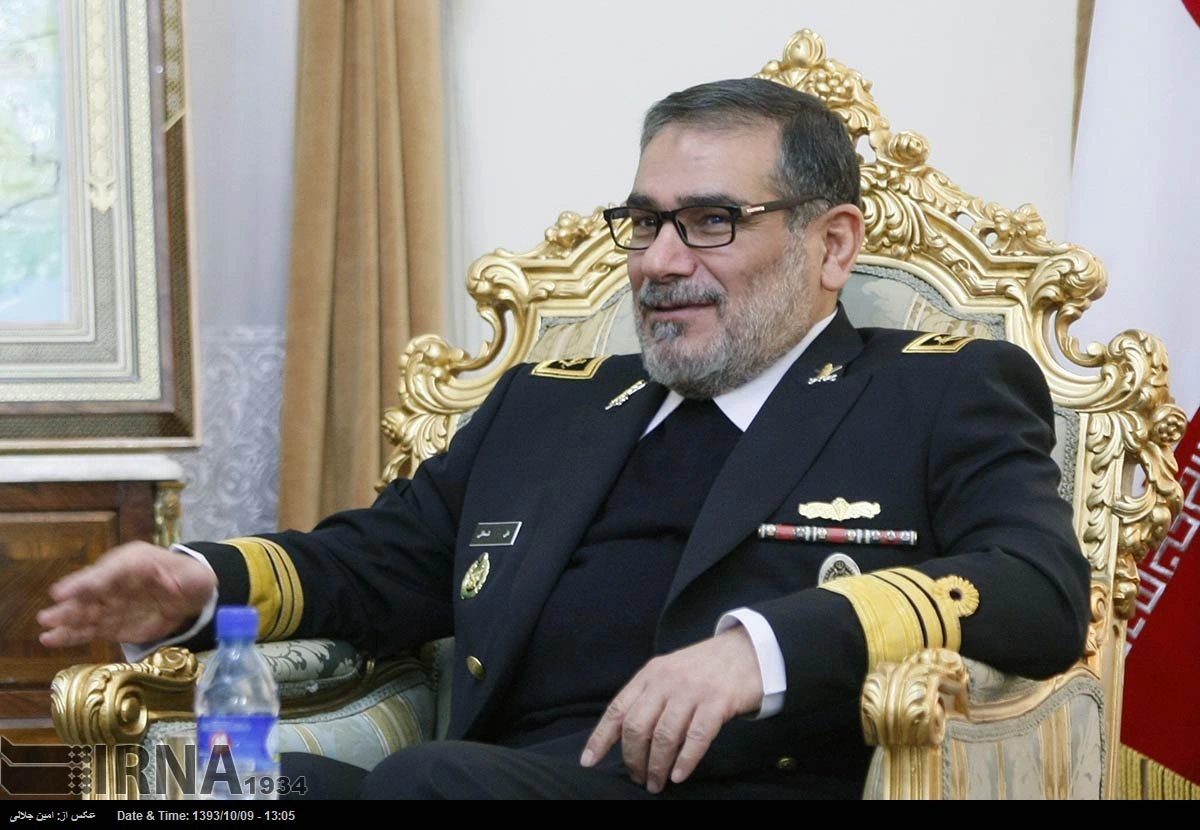
TEHRAN — The Iranian government has officially confirmed the deaths of two of its most critical security and military figures, marking a historic and catastrophic blow to the Islamic Republic’s command structure. Following the widely reported death of Supreme Leader Ayatollah Ali Khamenei, judiciary and state media sources have now verified that Major General Mohammad Pakpour, the Commander-in-Chief of the IRGC Ground Forces, and Ali Shamkhani, Secretary of the Supreme National Security Council, were killed in the same coordinated U.S.-Israeli strikes that targeted Tehran.
Collapse of the Strategic Hierarchy
The loss of Pakpour and Shamkhani leaves Iran in a state of unprecedented leadership turmoil:
Mohammad Pakpour: As the head of the IRGC Ground Forces, Pakpour was the primary architect of Iran’s regional military posture and proxy force strategy. His removal creates an immediate vacuum in the command of ground troops, leaving the military struggling to coordinate a unified response amidst ongoing aerial bombardments.
Ali Shamkhani: Often described as a “political survivor” and the key architect of Iran’s foreign policy, Shamkhani’s death removes the primary diplomat responsible for navigating the country’s recent security shifts. His role as the head of the National Defense Council was vital to the country’s crisis management.
A Nation in Crisis
With the Supreme Leader, the head of the IRGC Ground Forces, and the national security chief all neutralized within a 48-hour window, the country’s decision-making apparatus is effectively paralyzed. Reports from Tehran indicate that the IRGC and regional military units are operating under fragmented “last-resort” protocols, struggling to maintain order as the conflict with U.S. and Israeli forces intensifies.