Israel Strikes Lebanon After Hezbollah Attacks, Broadening Middle East Conflict
Beirut/Jerusalem — March 2, 2026 — Hostilities in the Middle East have expanded sharply, as the Israeli military launched airstrikes across Lebanon in response to attacks by the Iran-aligned group Hezbollah, marking a significant escalation in the broader conflict that began with U.S. and Israeli strikes on Iran.
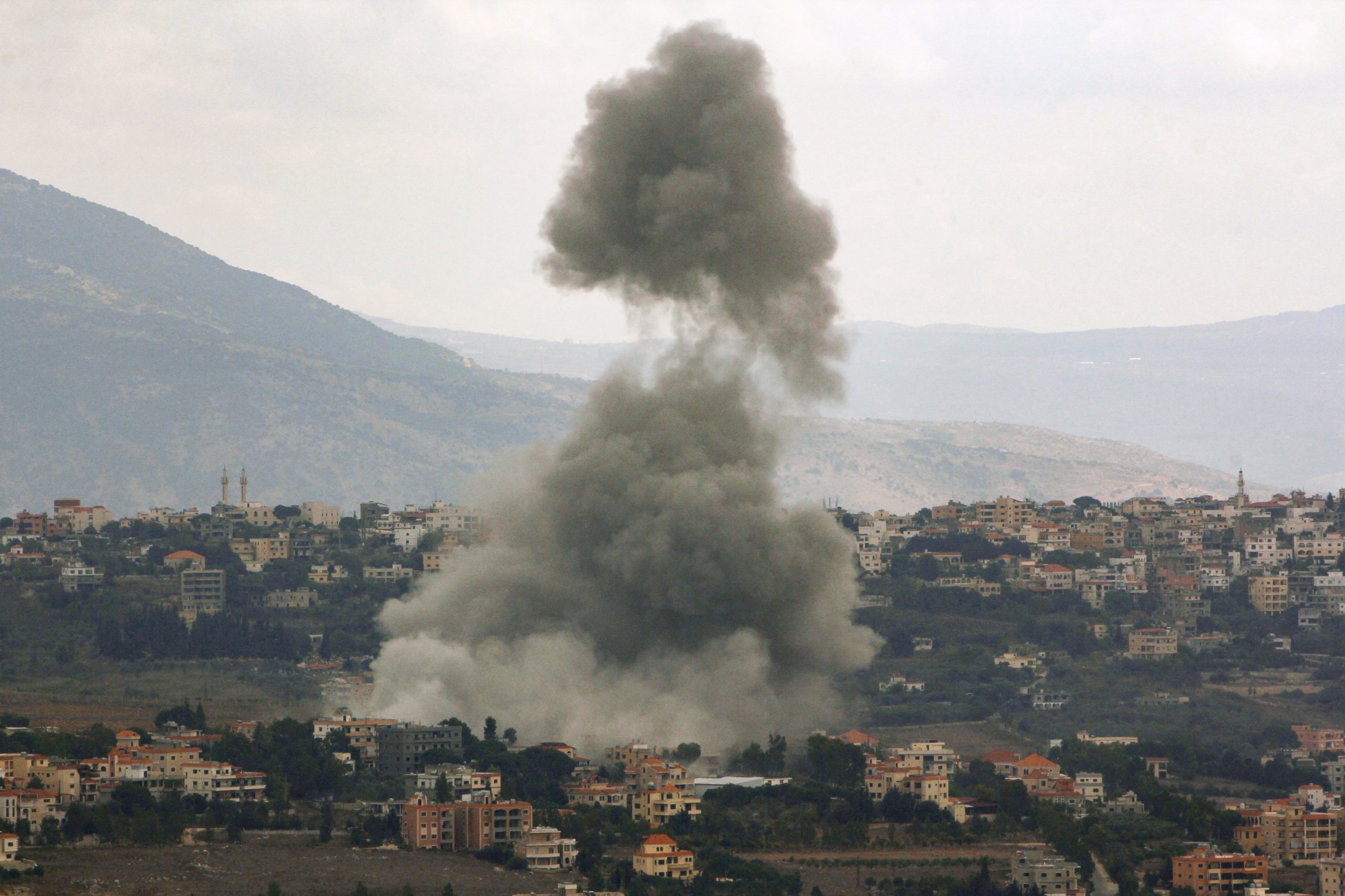
According to military sources, Israel’s air force targeted Hezbollah positions in southern Lebanon and Beirut’s Dahieh district, a known stronghold of the group. The strikes followed reports that Hezbollah had fired missiles and drones at Israeli territory, reportedly in retaliation for recent U.S.–Israeli military actions that included strikes deep inside Iran.
Explosions in Lebanese areas including the southern suburbs of Beirut were widely reported, with dense smoke rising above residential districts. Israeli forces said they focused their operations on key Hezbollah infrastructure and senior militants while issuing evacuation warnings for civilians in surrounding towns.
Hezbollah, a powerful Lebanese militia and Iranian ally, has fired rockets and other projectiles into northern Israel, marking its deepest engagement since a ceasefire agreement was reached in late 2024. Some projectiles reportedly triggered air-raid sirens near Israeli population centers, escalating fears among civilians in border areas.
The move into Lebanese territory represents a significant broadening of the conflict, which originally focused on U.S. and Israeli operations against Iranian targets and Iran’s subsequent retaliatory missile and drone strikes across the Gulf. Analysts warn that opening a northern front with Hezbollah could further destabilize the region.
Lebanese leaders have condemned the violence, stressing that Lebanon itself does not seek war, but the possibility of further escalation remains high as Hezbollah asserts its readiness to defend against perceived aggression and Israel vows to counter any threats.
Civilian populations in both southern Lebanon and northern Israel are increasingly affected, with evacuations, damage to infrastructure, and fear among residents as hostilities spread beyond Iran and the Gulf.
As the situation continues to evolve, the international community is watching closely for signs of attempts at de-escalation or further political and military responses from global powers.