Violent Pro-Iran Protests in Pakistan: US Consulate Attacked, Several Dead
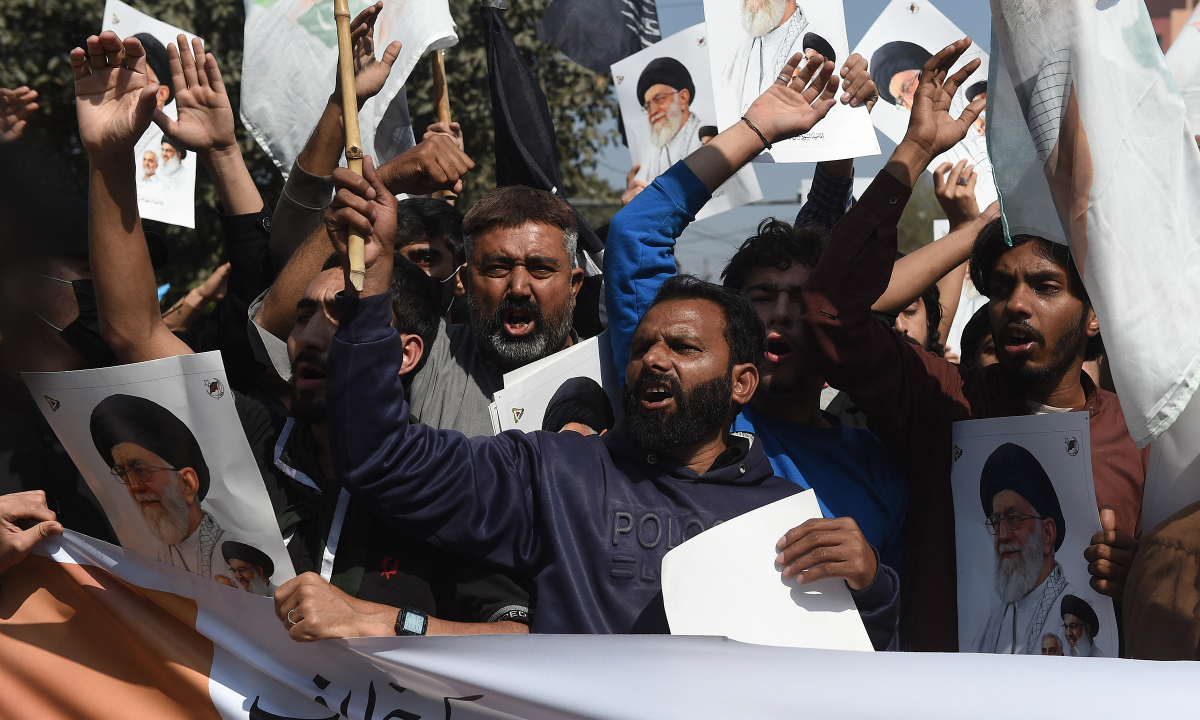
Large-scale protests erupted across Pakistan on Sunday, turning violent as demonstrators angry over recent U.S. and Israeli strikes on Iran targeted American diplomatic sites and clashed with security forces. The unrest culminated in a mob attack on the United States Consulate in Karachi, resulting in multiple fatalities and dozens of injuries.
Hundreds of protesters, many expressing solidarity with Iran after the death of Supreme Leader Ayatollah Ali Khamenei, gathered outside the U.S. Consulate General in Karachi, chanting anti-American slogans. Several demonstrators breached the outer perimeter and attempted to storm the building, smashing windows and vandalizing property before law enforcement intervened.
Local rescue and hospital officials reported that at least nine protesters were killed during clashes with police and paramilitary forces, with many more wounded. Some of the dead suffered gunshot wounds as security forces opened fire to disperse the aggressive crowd.
Violence was not confined to Karachi. Demonstrations also erupted in other Pakistani cities, including Lahore and Gilgit-Baltistan, where additional clashes with police and attacks on United Nations and government offices were reported. These confrontations contributed to a broader death toll across the country as thousands took to the streets in protest.
Pakistani authorities deployed additional security forces in major cities to restore order and protect diplomatic missions. The U.S. Embassy in Islamabad issued advisories urging American citizens in the country to monitor local developments and exercise heightened caution.
President Asif Ali Zardari, while expressing condolences to Iran over the loss of its leader, called for peaceful demonstrations and appealed to citizens to respect the rule of law. Interior officials stressed that protests should remain lawful and warned against violent actions against foreign diplomatic installations.
The unrest in Pakistan reflects widespread anger among some segments of the population over recent Middle East hostilities, and it underscores how regional conflicts can trigger volatile reactions far beyond their immediate borders.