The Elongated Skulls of Paracas — Culture, Not Mystery
- MinhKhue
- March 2, 2026
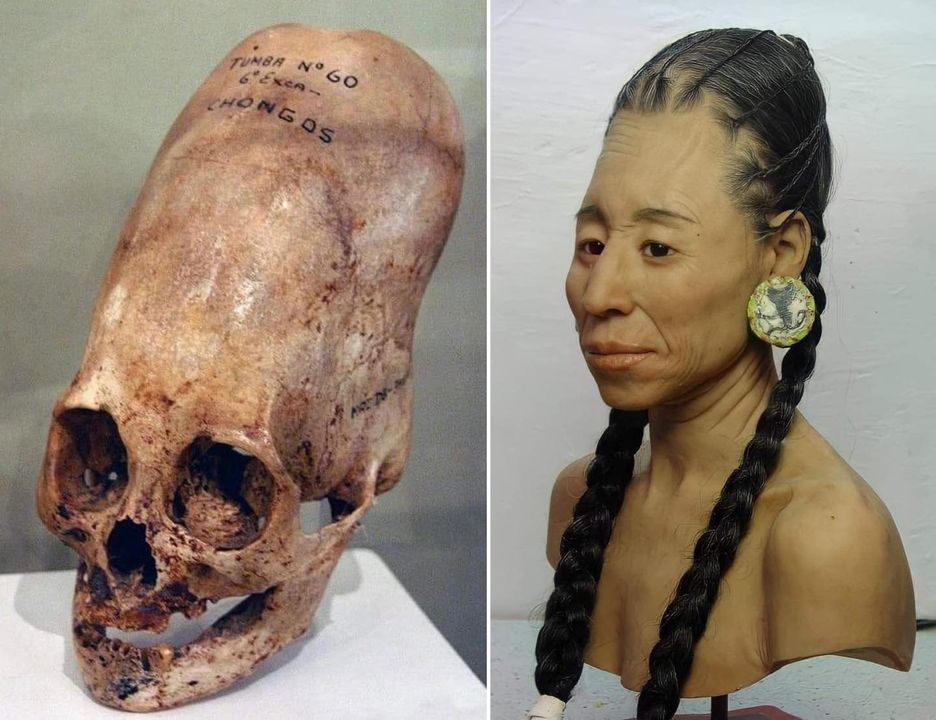
In 1928, archaeologist Julio Tello uncovered hundreds of elongated skulls at the Paracas Peninsula in Peru. 🇵🇪 These remains date to the Paracas civilization (800–100 BCE), a sophisticated pre-Columbian culture known for advanced textiles and complex burial practices.
 The unusual skull shapes were the result of intentional cranial deformation — a cultural tradition in which infants’ heads were tightly wrapped with cloth or bound with boards during the first years of life, when the skull is still soft and malleable. 👶🪢
 Over time, this reshaping created the dramatically elongated appearance.
Similar practices have been documented in various ancient societies around the world and were often linked to social status, identity, beauty standards, or spiritual beliefs. 🌎
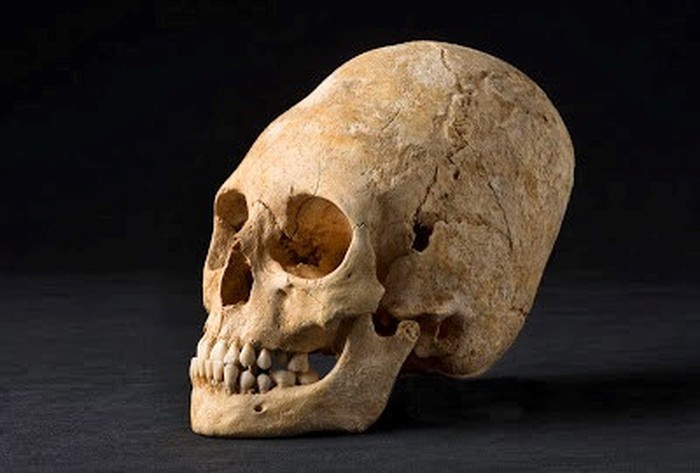 ❗ Scientific studies confirm these skulls are fully human, shaped by cultural modification rather than non-human origins.
The Paracas discoveries remain an important window into the beliefs and social structures of ancient Peru.