ROCKY BALBOA 7 (2026): The Final Round
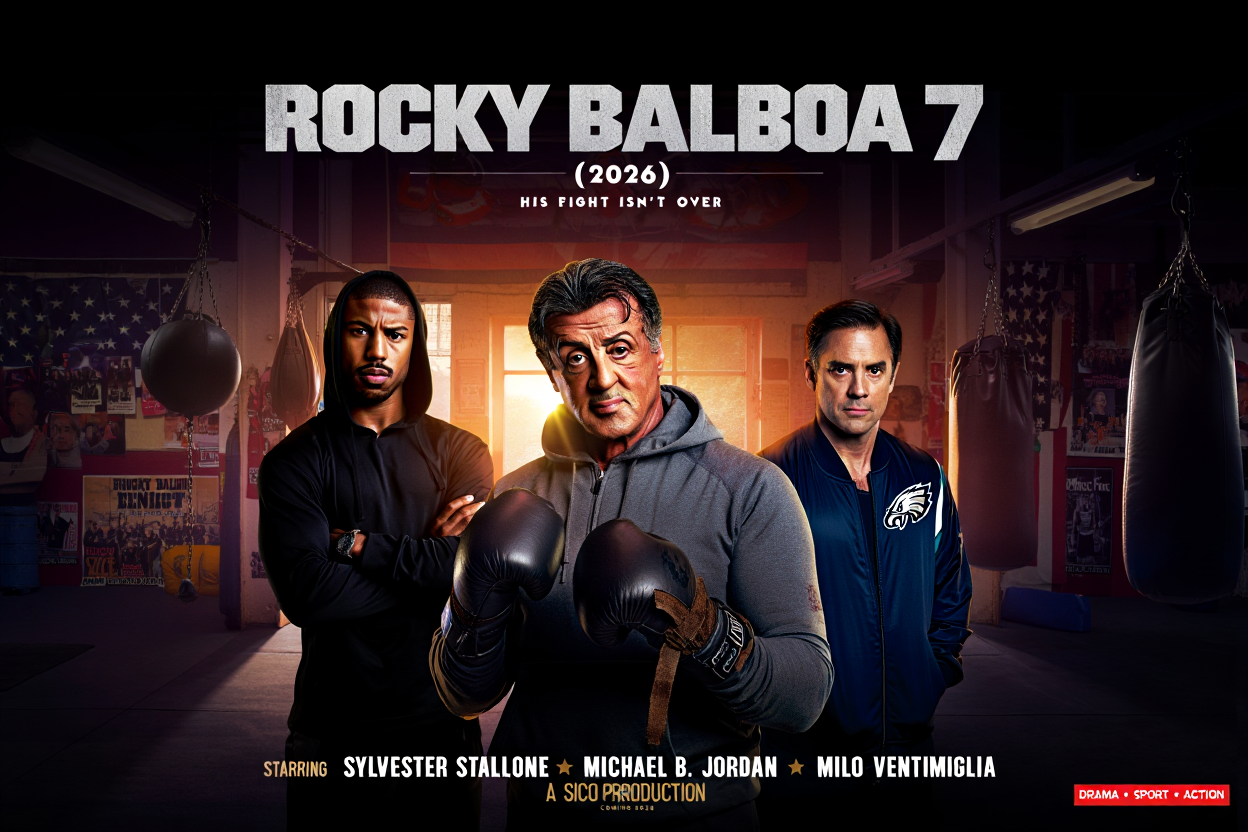
In ROCKY BALBOA 7 (2026), the beloved Italian Stallion returns for one final fight—a fight not just for redemption, but for legacy, family, and the enduring spirit that has defined his career. After years of battling in and out of the ring, Rocky Balboa (played by Sylvester Stallone) faces the toughest opponent he has ever encountered: time itself. With age creeping up on him and a history of injuries that could keep any other fighter down, this final chapter in the Rocky saga is a celebration of resilience, heart, and the power of never giving up.
The film opens with Rocky living a quiet life in Philadelphia, having retired from boxing for several years. His days are filled with running his restaurant, “Adrian’s,” and spending time with his son Robert Balboa Jr. (played by Milo Ventimiglia), who has now grown into his own career and family life. Despite his seemingly peaceful existence, Rocky can’t escape the memories of his glory days in the ring. Every now and then, a reminder of his past comes back—whether it’s a news story about his old rivals or the weight of his past decisions—and it stirs something deep within him.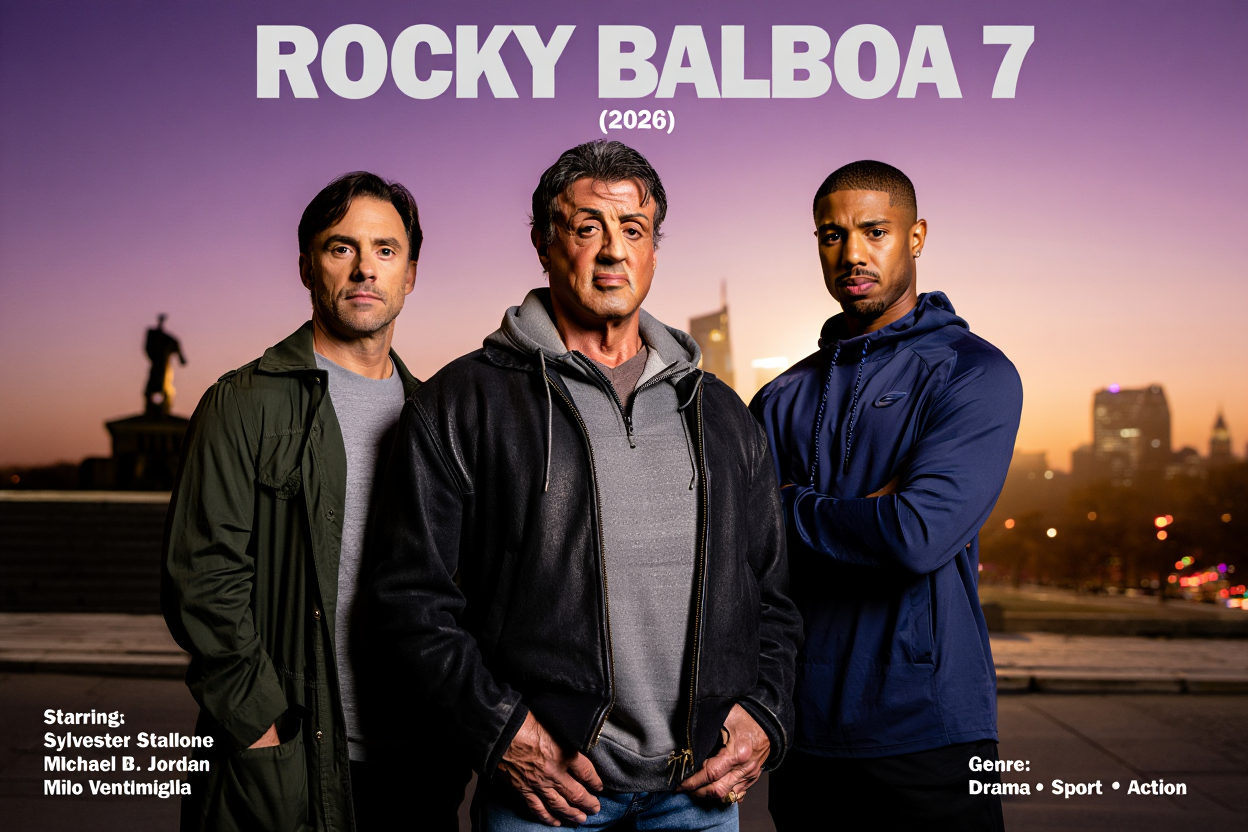
The world of boxing, however, is in turmoil. A new breed of fighter has emerged, one with a combination of raw talent and ruthless ambition. Enter Damien Cruz (played by Michael B. Jordan), a rising star who has already garnered a reputation for his savage boxing style and undeniable talent. Cruz has been compared to the greats, with many seeing him as the next big thing in the world of boxing. But unlike the fighters of Rocky’s time, Cruz is driven not just by a love for the sport but by a need to prove his superiority over those who paved the way before him. When Cruz challenges the aging Rocky to one last exhibition fight, the world watches with bated breath, expecting to see if the old champ still has what it takes to go toe-to-toe with a young lion.
Rocky initially resists, wanting to leave his violent past behind and focusing on the peace he has built. But as the media frenzy builds and his son Robert becomes caught in the crossfire of public opinion, Rocky finds himself reluctantly agreeing to the fight. He feels a duty not just to defend his legacy, but to show the world—especially his son—that a true champion never backs down from a challenge, no matter the odds. However, as he begins to train, it becomes clear that the fight is not just physical—it’s deeply personal. Rocky must confront his own mortality, his fears of being forgotten, and the price of living a life in the spotlight.
The film explores themes of fatherhood, legacy, and the passing of the torch. Rocky’s relationship with his son, Robert, takes center stage as the two men grapple with their shared history. Robert, having long struggled with the shadow of his father’s fame and his own desire to carve out his own identity, finds himself at a crossroads. Will he stand by his father and support him in this final battle, or will the weight of being Rocky Balboa’s son be too much for him to bear? As father and son grow closer, the emotional stakes rise, adding layers to what is otherwise a traditional underdog story.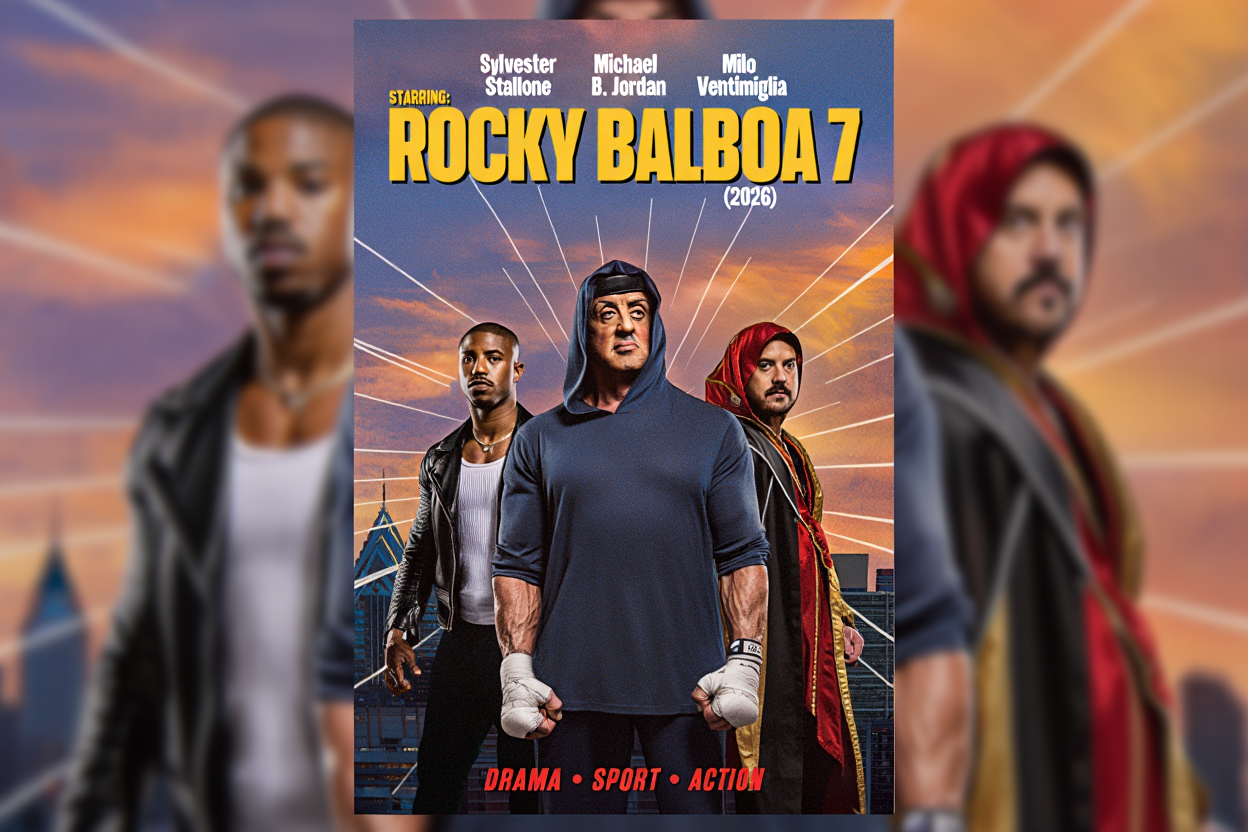
Rocky’s training montage, a staple of the Rocky series, is one of the most memorable sequences of the film. Unlike his younger days, where the training was a battle of strength and stamina, here Rocky’s focus is on technique and strategy. His body may be slower, his reflexes dulled by age, but his mind is sharper than ever, and his heart remains as strong as it was in the prime of his career. The film masterfully juxtaposes his grueling training sessions with flashbacks to his past—his glory days, his triumphs, and his most painful losses. This is not just a fight for the championship belt; it’s a fight for closure, a way for Rocky to prove to himself that he still has the heart of a champion.
When the fight finally arrives, it is everything fans of the Rocky series could hope for—intense, raw, and emotional. Cruz, brimming with youthful energy and arrogance, initially dominates the fight, overwhelming the older Balboa. But Rocky, fueled by years of experience and the fire that never truly went out, slowly starts to gain ground. Every punch he throws, every move he makes is a testament to his indomitable will. As the rounds go on, the audience feels the weight of the struggle—this isn’t just about winning for Rocky; it’s about proving that age cannot diminish the power of a champion’s heart.
In the final round, Rocky digs deep, finding a reserve of strength he didn’t know he had. In a climactic exchange, he delivers a blow that knocks Cruz to the canvas, showing the world that no matter how old you are, you can still stand tall in the face of impossible odds. The film ends on a bittersweet note, with Rocky’s victory not just physical, but emotional. He has proven that he is still the heart of boxing, and in doing so, has passed on his legacy to the next generation.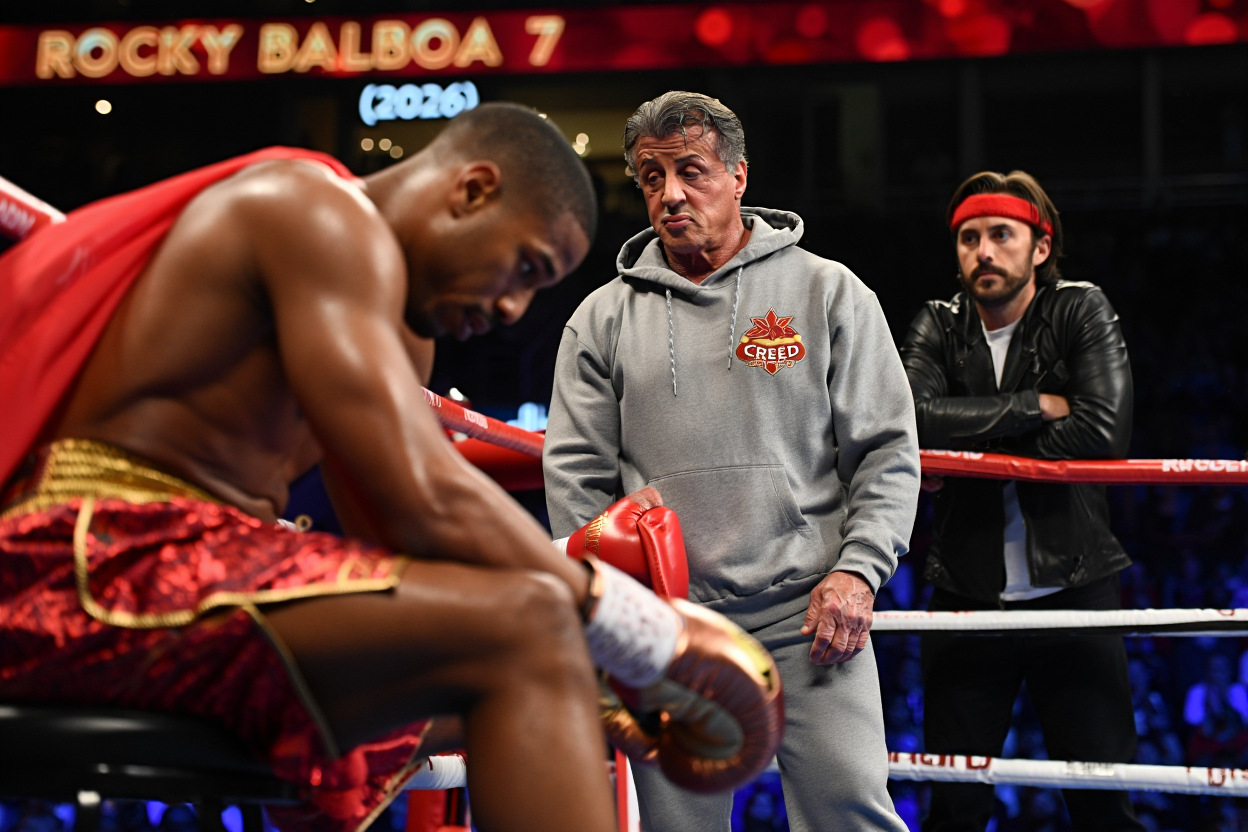
In ROCKY BALBOA 7 (2026), the final fight isn’t just about punches and knockouts; it’s about the fight for redemption, legacy, and the love of a father for his son. It’s a powerful reminder that champions are not defined by the victories they rack up, but by the strength they summon when they face their greatest challenges. The film closes with Rocky, older and wiser, walking away from the ring, content in knowing that he fought for what mattered most—and that, in the end, that’s what truly makes him a champion.
ROCKY BALBOA 7 (2026) is an emotionally charged and triumphant conclusion to the legendary saga, offering a final chapter that will resonate with fans who have followed Rocky’s journey for decades. It’s a fitting tribute to the character’s enduring spirit and a celebration of the heart and determination that have made him one of cinema’s most iconic heroes.