YURI BOYKA (2026): The Fight for Redemption
- HoYen
- March 19, 2026
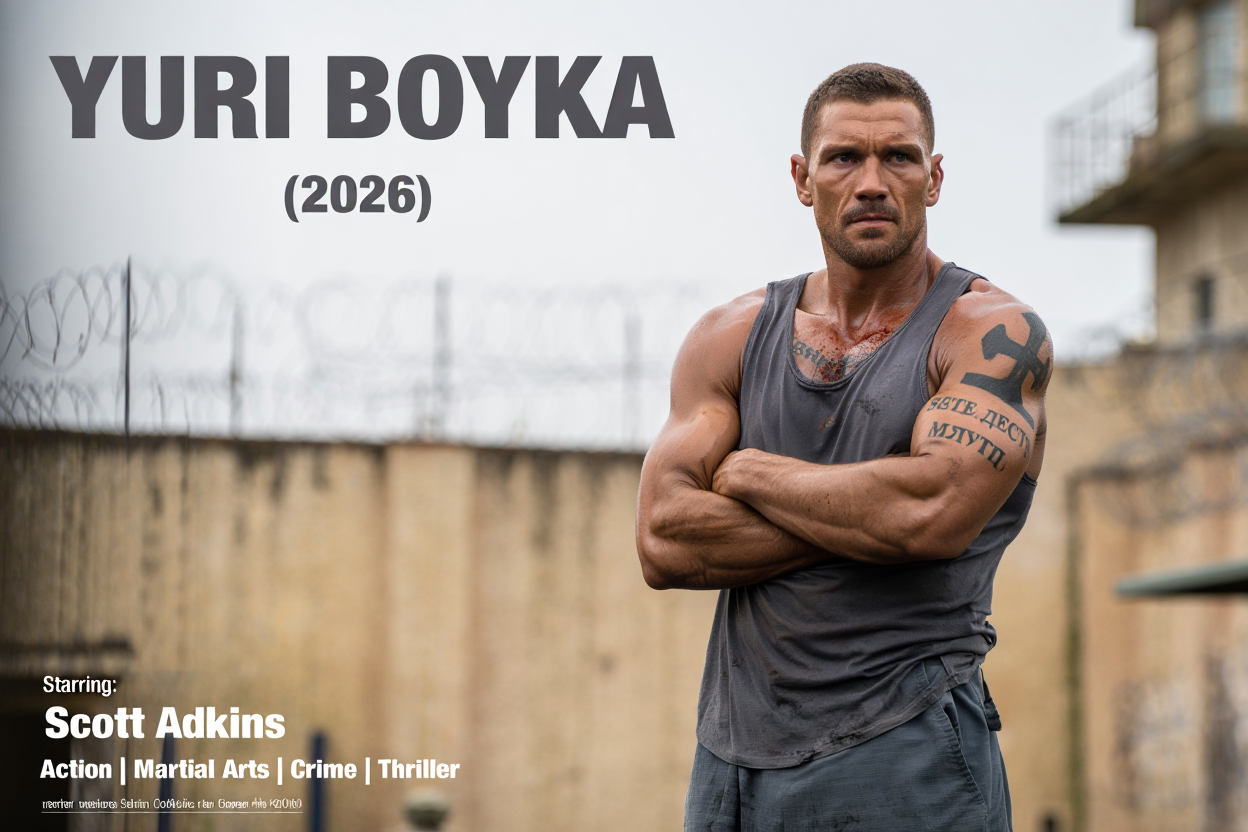
In YURI BOYKA (2026), the world’s deadliest fighter returns for his most personal battle yet. After his intense journey from a prison cage fighter to a champion, Yuri Boyka (played by Scott Adkins) finds himself facing a new kind of fight—one that tests his limits both physically and emotionally. This highly anticipated sequel dives deep into Boyka’s quest for redemption, his struggle with his inner demons, and his need to reconcile his violent past with a future he never imagined.
The film opens with Yuri Boyka living a quieter life, far from the violence of the underground fighting rings he once dominated. Having won his freedom, Boyka now works as a coach, teaching aspiring fighters in a humble gym. He has found a semblance of peace, but deep down, he knows that his past is never truly behind him. His fame as a fighter has spread, but it comes with a heavy price: his reputation still follows him, and those who once knew him as the undefeated champion of the underground seek to challenge him.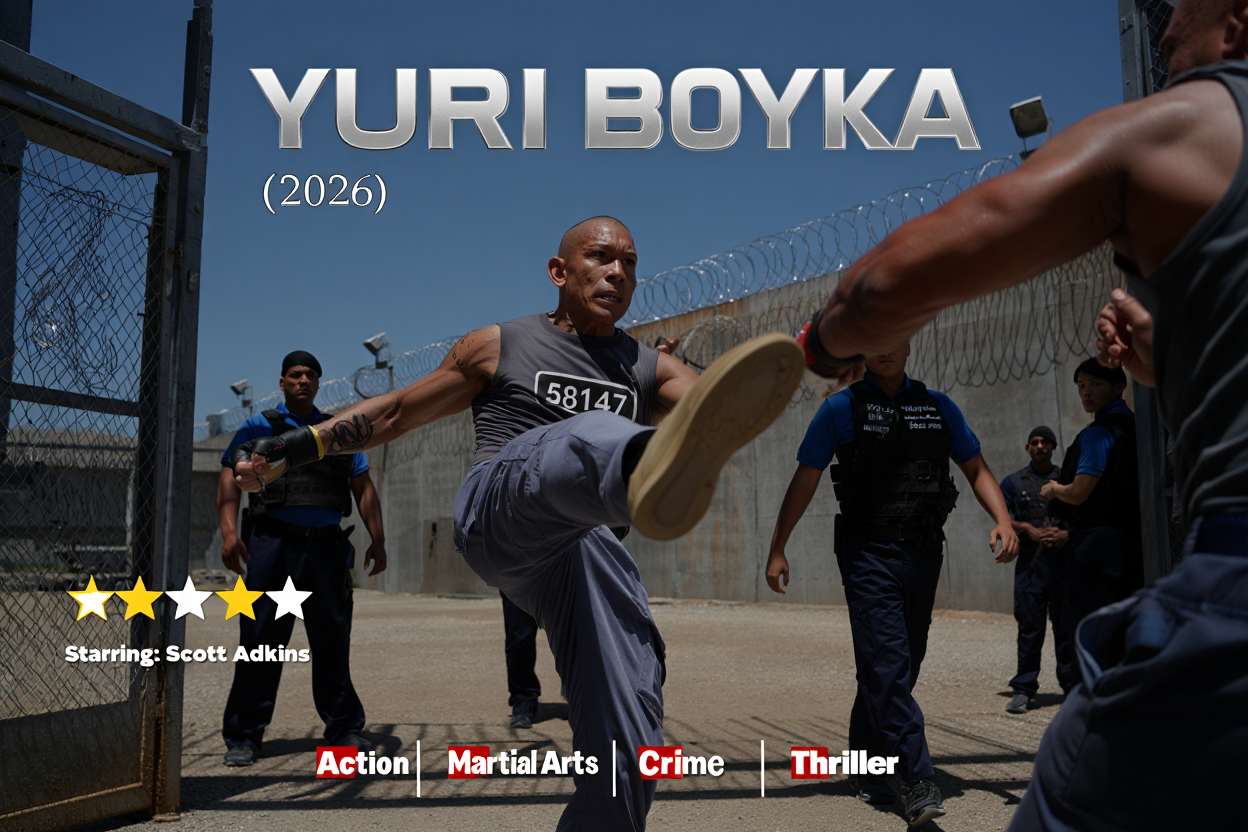
When an old acquaintance, Sergei Volkov (played by Nikolaj Coster-Waldau), a ruthless gangster and former fight promoter, resurfaces, Boyka is pulled back into the brutal world he left behind. Sergei has a new fighter—Kostya (played by Maksim Chmerkovskiy), an incredibly talented and dangerous fighter who has come from the same unforgiving streets Boyka once lived on. Sergei wants Boyka to come out of retirement for one last fight, but this time, it’s different. Kostya is not just a fighter; he is part of a much larger plan to use Boyka’s name and skills to create a global underground fighting network that stretches beyond borders.
At first, Boyka refuses, wanting nothing more than to remain out of the spotlight. But when his gym is destroyed by Sergei’s men in an act of retaliation, and when Boyka’s students are threatened, he realizes that his only option is to fight—not just for himself, but for the people he cares about. The film quickly escalates into a personal, high-stakes fight where Boyka must reclaim his honor, not only by facing his greatest physical challenge yet but by confronting the demons of his violent past that threaten to destroy the future he is trying to build.
The fight scenes in YURI BOYKA (2026) are intense, gritty, and meticulously choreographed. As one of the greatest martial artists in cinematic history, Scott Adkins brings the brutal, fast-paced action to life in a way only Boyka can. From devastating knockout punches to bone-crushing submission holds, every fight sequence is a showcase of Boyka’s fighting mastery and his refusal to back down, no matter the cost. But what makes these fights even more powerful is the emotional depth woven into each confrontation. Boyka is no longer fighting just for victory; he is fighting for redemption and for the right to be free of his violent past.
As Boyka navigates through the fighting world, he faces a deeper moral dilemma. His journey isn’t just about proving he’s still the best—it’s about proving to himself that he can be more than the monster he once was. Through his interactions with his students, he begins to question his identity as a fighter. Is there redemption for someone who has caused so much destruction? Can he truly leave behind the anger and violence that defined him, or is it too deeply ingrained within him? His struggle is further complicated by his growing bond with Elena (played by Claudia Gerini), a local doctor who helps tend to his injuries and becomes a symbol of the life he could have if he chooses a different path.
The stakes grow even higher when Boyka is forced into a fight against Kostya in a brutal underground tournament. Kostya, driven by his own desire for fame and wealth, views Boyka as both a mentor and a rival. The fight between them is intense, as Kostya, who has been trained to fight with unrelenting speed and aggression, pushes Boyka to his physical and mental limits. As the battle rages on, Boyka is forced to confront the darkness within himself, and in doing so, he learns that the true enemy is not just his opponent in the ring—but the unresolved guilt and rage that have shaped his life.
The climactic battle is a visual and emotional masterpiece. Boyka faces not just the physical challenge of defeating a younger, stronger fighter, but the psychological challenge of overcoming his own demons. The fight is a metaphor for his internal struggle—each punch, each move representing his effort to free himself from the past and build a better future. The moment of truth comes when Boyka, bloodied and battered, makes the decision to fight not with anger, but with honor and grace, using his skills to defeat Kostya in a way that showcases both his brutality and his humanity.
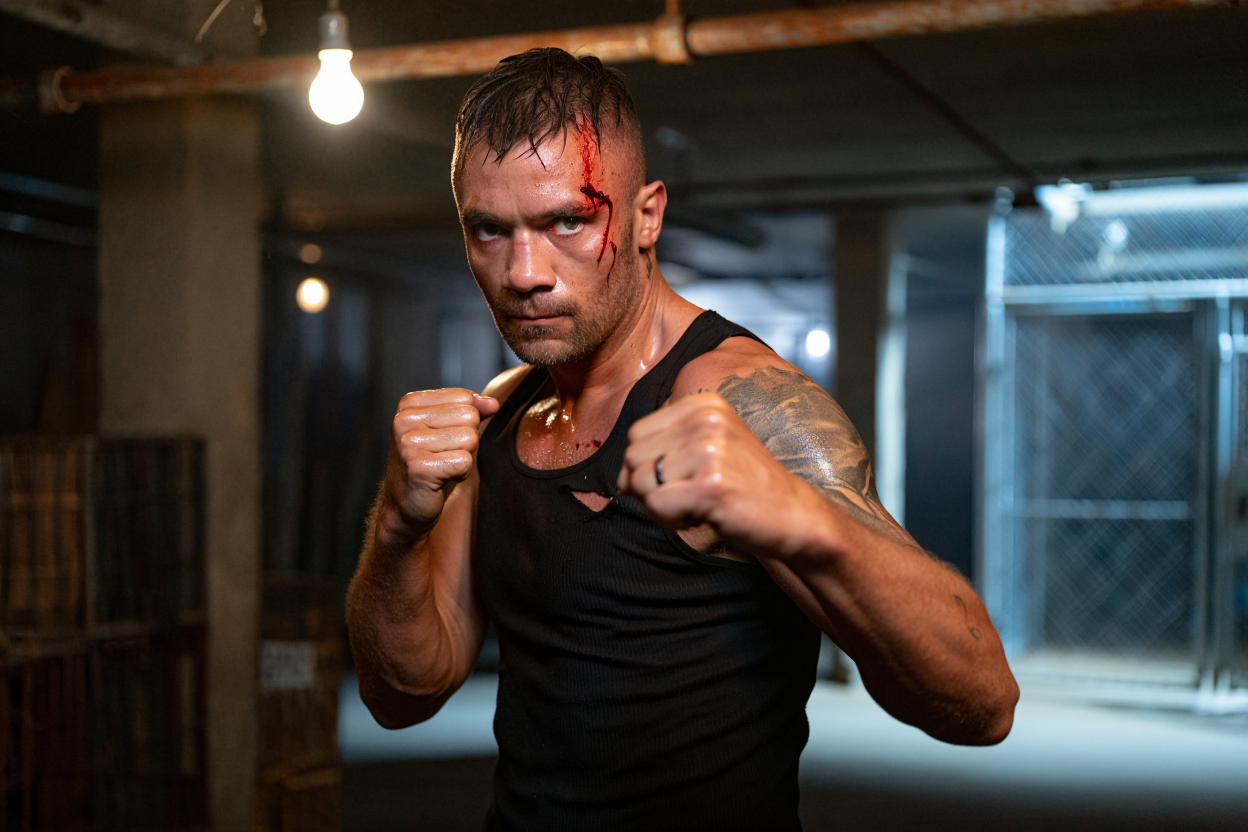
In the final moments of the film, Boyka’s victory isn’t just a win in the ring—it’s a victory over his past, his anger, and his desire for redemption. With Kostya defeated and Sergei’s network exposed, Boyka emerges as a changed man, not only a champion in the ring but also in life. The film ends on a hopeful note, with Boyka walking away from the violence he once embraced, ready to live the rest of his life on his own terms, but always remembering the lessons he learned along the way.
YURI BOYKA (2026) is a powerful and emotional sequel that delivers all the heart-pounding action fans expect, while also diving deep into the complexities of redemption, identity, and the consequences of a violent past. Scott Adkins once again proves why he is one of the best action stars of our time, bringing depth and humanity to the character of Yuri Boyka. This film is a must-see for action lovers and those who appreciate a story of personal growth and triumph against all odds.