TARZAN
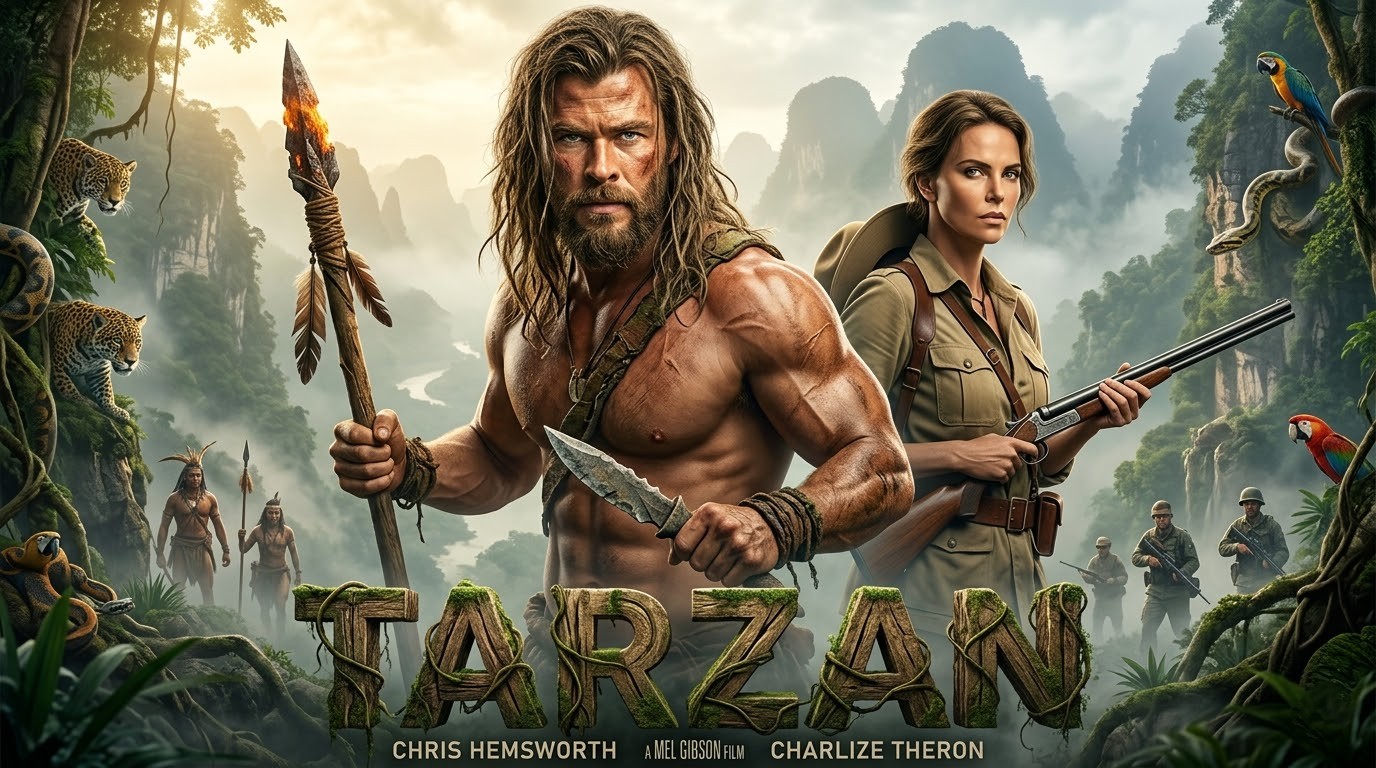
TARZAN (2026)
Starring: Chris Hemsworth, Charlize Theron
TARZAN (2026) is more than just an adventure in the jungle; it’s an emotionally charged journey into identity, choice, and the sacred connection between humanity and nature. Set against a backdrop of a modern world encroaching on the last remaining wilderness areas, the film portrays Tarzan not merely as the “king of the jungle,” but as someone caught between two worlds—not entirely human, yet inseparable from the wild origins that nurtured him.
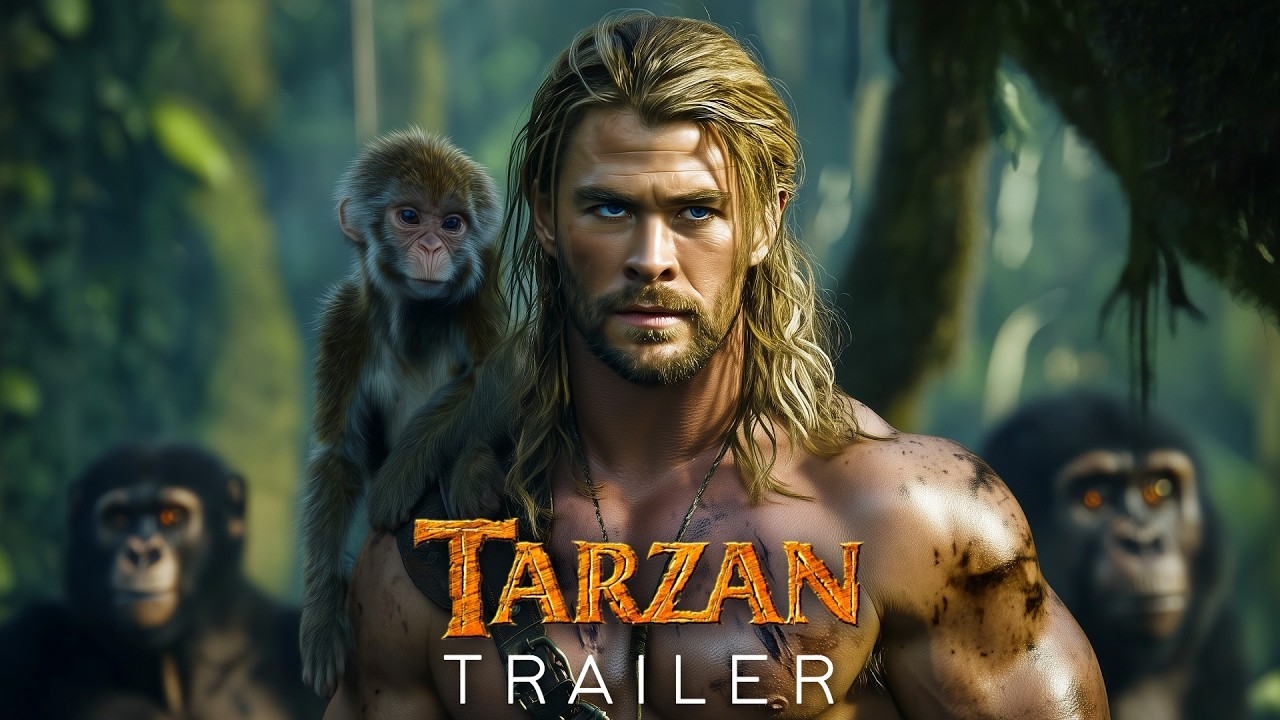
Raised among apes in the African jungle, Tarzan (Chris Hemsworth) grew up with a pure survival instinct and an absolute respect for the laws of nature. For him, the jungle is not just a shelter—it’s his family, his memories, his everything he’s ever known. Every tree, every river, every creature holds a unique meaning, creating a balanced world rarely understood by civilized humans.
But that balance is under threat.
When a massive resource-mining corporation enters the area with the ambition of seizing the rare resources hidden deep within the forest, nature begins to be mercilessly devastated. Trees are felled, animals are hunted, and indigenous tribes are forced to leave their homes. It’s not just a physical invasion—it’s the disruption of an ecosystem that has existed for thousands of years.
Charlize Theron plays an environmental scientist who once believed that humanity could develop without destroying nature. But when she witnesses firsthand the devastation caused by the very systems she once believed in, she begins to question the line between progress and destruction. Her encounter with Tarzan opens up a new perspective—a clash between reason and instinct, between science and the primal truth of nature.
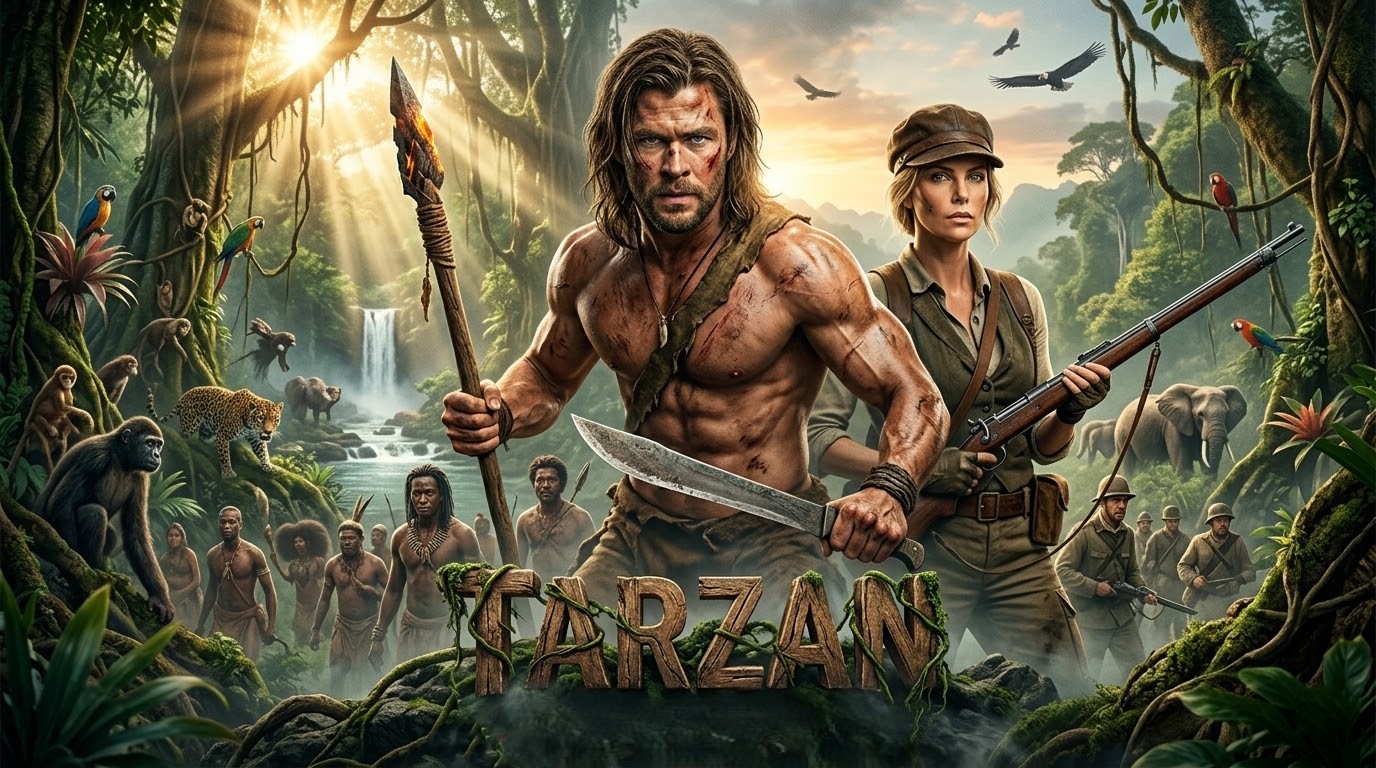
Tarzan doesn’t say much. He doesn’t need to. His world is perceived through the sounds of the forest, the breath of the earth, and the gaze of the creatures he protects. But as the threat grows, he is forced to step out of his comfort zone to confront humanity—a species he has never truly understood.
What makes TARZAN (2026) special is that it doesn’t build a simple battle between “good guys” and “bad guys.” Instead, the film poses a profound question: can humanity move forward without destroying what already exists? And if not, what is the price?
The action sequences are visually stunning—from high-speed movements through the forest canopy and confrontations with wild animals to direct battles against technologically advanced humans. But beneath it all lies a deeper meaning: Tarzan doesn’t fight to conquer, but to protect. He doesn’t want to be a hero—he just wants to preserve the world that shaped him.
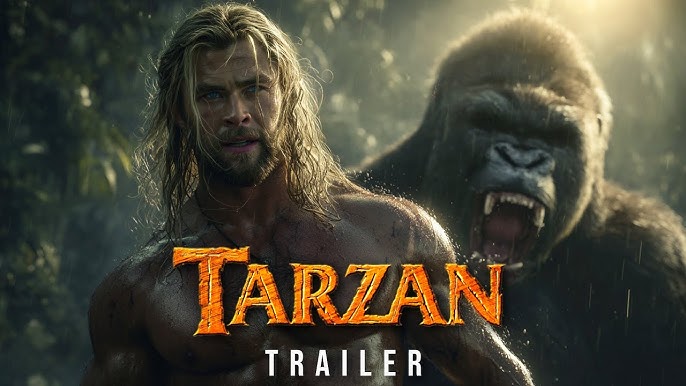
The film’s climax isn’t just a battle between Tarzan and the invading forces, but the moment he must confront the truth about his own origins. As the line between man and nature blurs, Tarzan must choose: accept the human world, or continue to protect the forest at all costs—even if it means becoming something the world will never understand.
TARZAN (2026) ends not with a triumphant victory, but with a quiet yet powerful message: nature doesn’t need humans to exist—but humans cannot exist without nature.