Valak vs Michael Myers
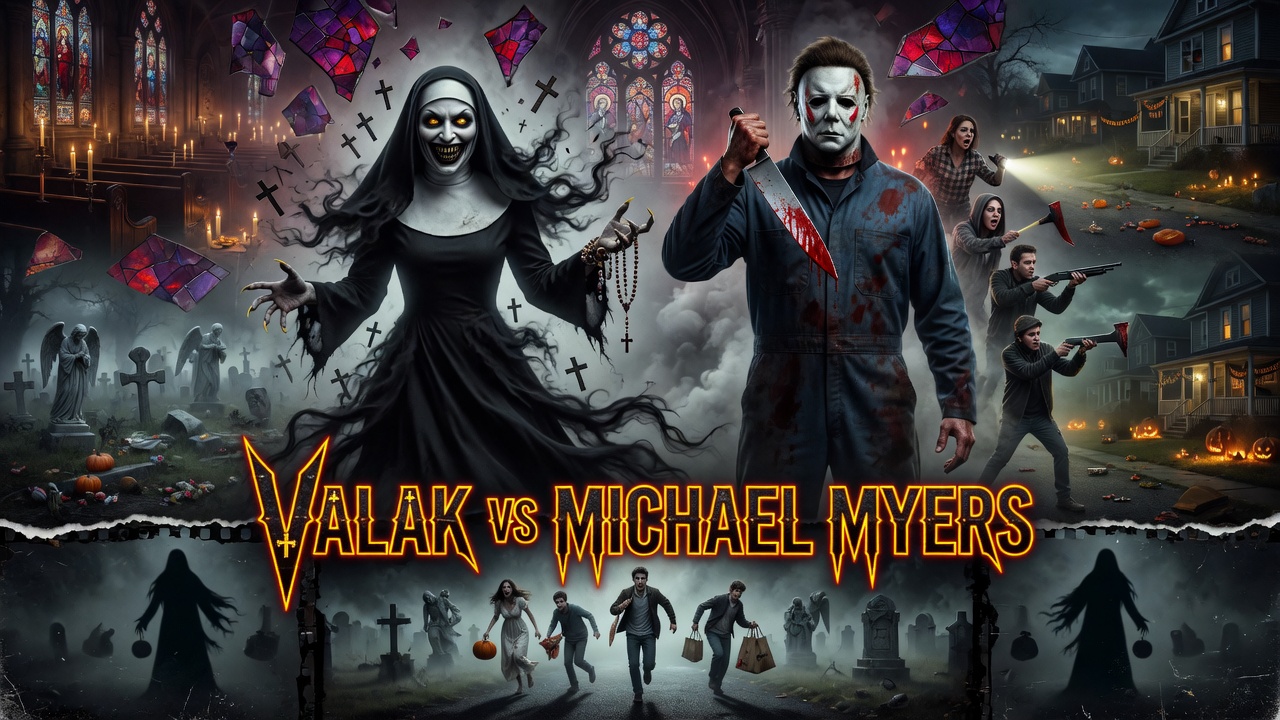
Valak vs Michael Myers (2026)
In the world of horror, few symbols instill such profound dread as Valak – the demon disguised as a nun from the shadows of the soul – and Michael Myers, the silent killing machine in human form who seems to have completely lost his humanity. One represents supernatural evil, manipulating fear from within the mind. The other is the embodiment of primal violence, cold and inexplicable. In Valak vs. Michael Myers (2026), these two terrifying symbols not only clash but also turn an entire town into a battlefield for the war between soulful evil and soulless evil.
The story begins in Haddonfield, where the people have never truly escaped the shadow of the massacres of the past. Although Michael Myers has been gone for many years, the fear of him remains like a wound that never heals. Houses are locked up early every Halloween. The once bustling streets are now silent as night falls. The people try to live on, but the memories of blood and screams linger in every corner of the town.
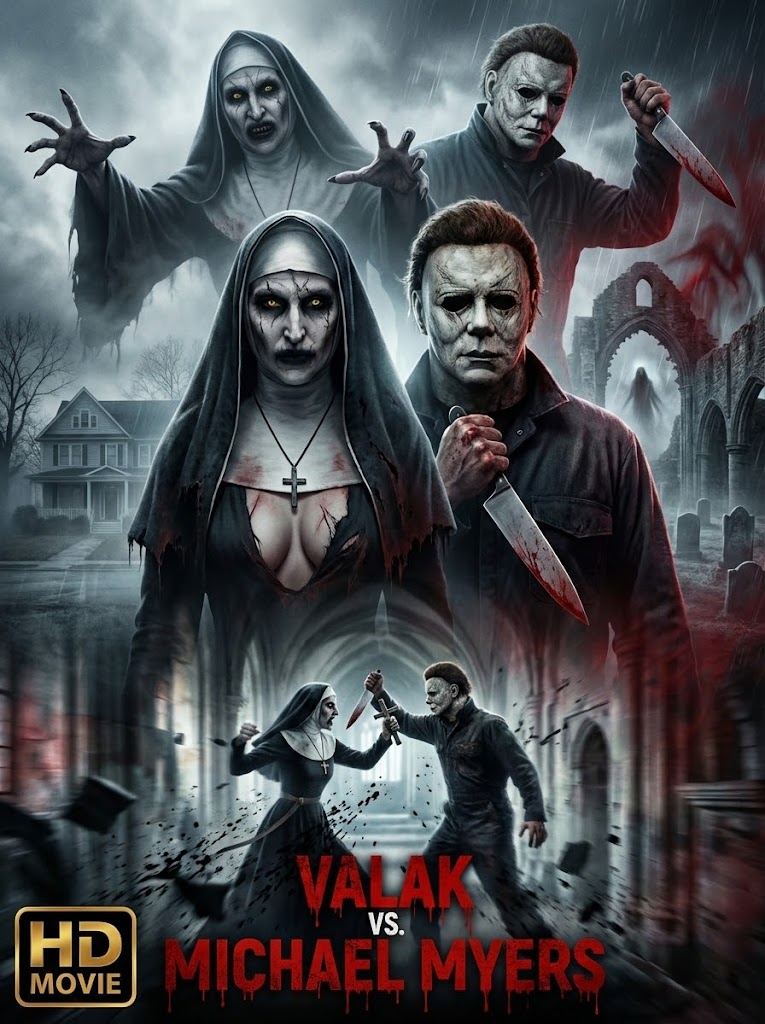
When an ancient monastery is excavated near the edge of town during construction, religious artifacts buried centuries ago are unexpectedly brought to the surface. Among them is a sealed relic once used to imprison Valak. The seal is broken, and the ancient evil awakens once again. But this time, Valak is not just seeking souls to possess. It senses the presence of another dark entity in Haddonfield—a human entity that has been killing for so long that it has become the perfect breeding ground for evil.
Michael Myers returns on the very night the seal is broken. No one knows where he’s been all these years. No one knows what draws him back. But this time, Michael’s presence is different. His killing instincts seem to be guided by an invisible calling. Valak sees in Michael a perfect vessel—a body already consumed by darkness, a soul nearly empty. If it could possess Michael Myers, Valak would have a form not only immortal against human fear, but also powerful enough to unleash hell upon the real world.
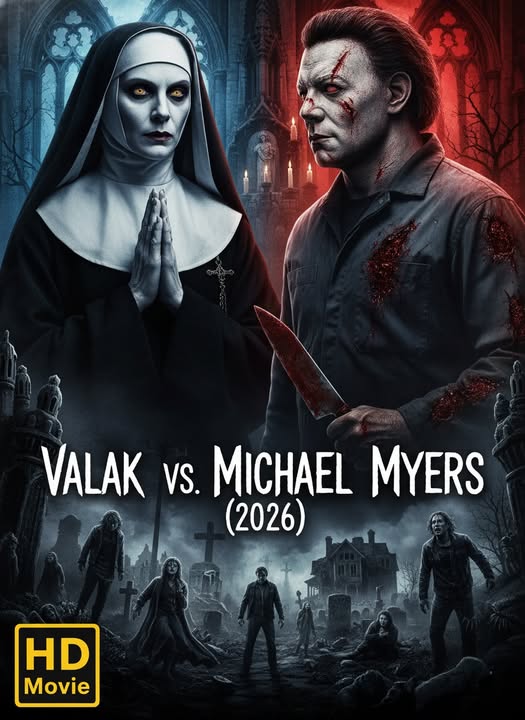
What makes the film terrifying isn’t just the idea of a confrontation between two horror icons, but the way it explores the different natures of evil. Michael Myers kills without reason. No anger, no pleasure, no remorse. He is absolute emptiness. Meanwhile, Valak lives on fear, manipulates traumatic memories, and turns guilt into a weapon. One is unconscious violence. The other is deliberate evil. When these two forces clash, the horror no longer comes from who is stronger, but from the question: what will happen if they merge?
At the heart of the storm is Sarah Coleman, a female investigator who survived Michael’s last murder as a child. Her entire life has been marked by trauma that has never truly healed. As the murders begin, Sarah is forced to confront not only Michael, but also her own deeply buried memories. She soon teams up with Father Marcus, a priest specializing in demonic phenomena, who realizes that the crime scenes no longer bear Michael’s unique mark. Something else is at play—occult symbols, mass hallucinations, victims dying with frozen faces from fear even before being murdered.
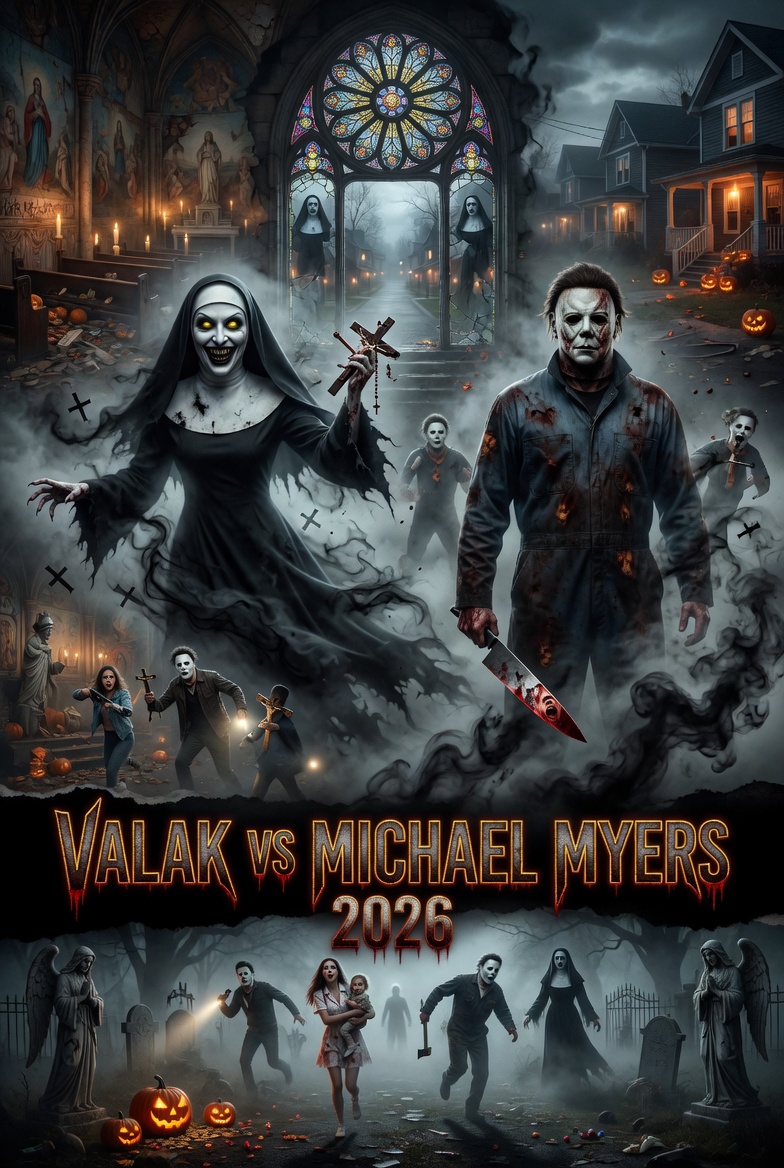
As Halloween approaches, Haddonfield descends into utter chaos. People are left with no choice but to fear: the masked figure silently approaching from the end of the hallway, or the nun’s apparition appearing in the mirror behind them. The film builds fear through both tangible violence and psychological terror. The scenes of Michael walking through the dark house with a bloodstained knife create a suffocating tension, while the appearance of Valak distorts reality, leaving the living no longer believing their eyes.
The climax of the film takes place at the very ancient monastery where the seal is broken. On a stormy night, Sarah and Father Marcus attempt to reseal Valak before it completely takes over Michael Myers. But Michael, despite being drawn to the darkness, displays a strange resistance. For the first time in the history of both horror franchises, the question arises whether any trace of humanity remains deep within Michael Myers—or is it merely the instinctive reaction of evil being invaded by another evil?
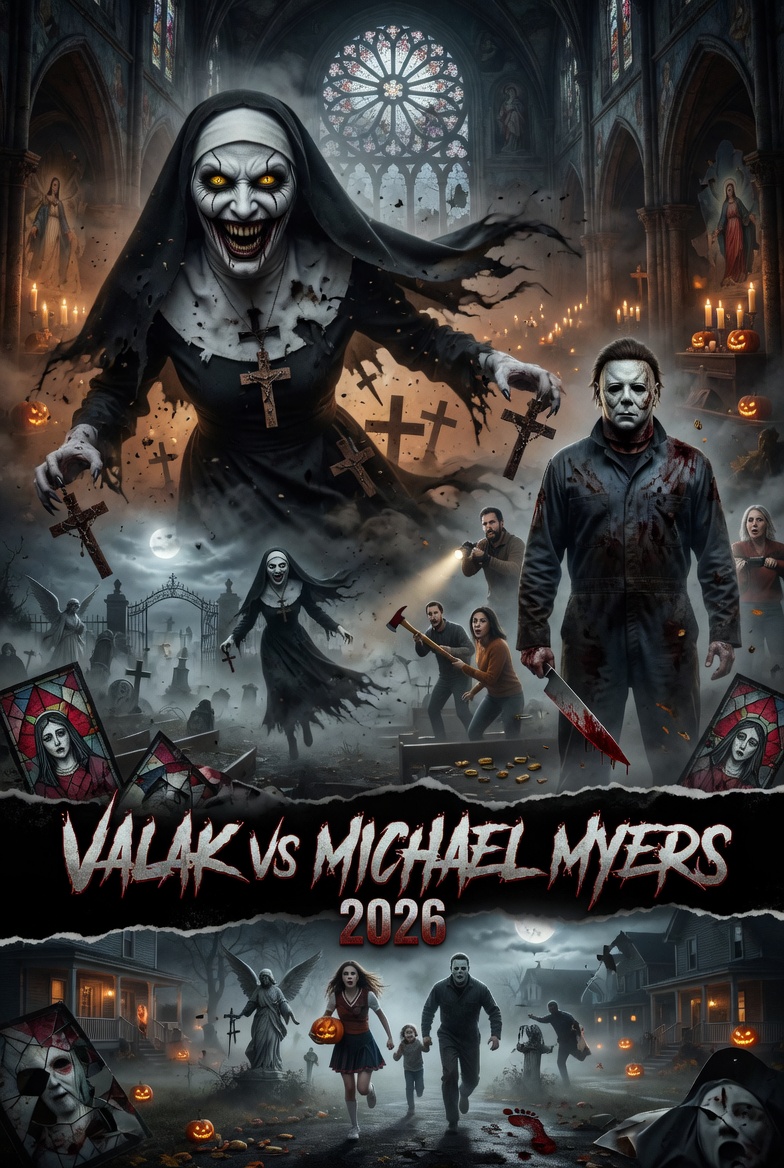
Valak vs. Michael Myers (2026) is not just a shocking crossover for horror fans. The film also explores a deeper meaning about human fear. There are shadows that come from supernatural forces. But there are also shadows born within human beings, from trauma, isolation, and the erosion of humanity over time. The most terrifying thing isn’t when evil emerges from hell, but when humans become the perfect dwelling place for it.
“Some evils haunt you. Others become you.”
Rating: 4.7/5 – A terrifying, haunting, and memorable encounter.A profound contrast between the two most terrifying embodiments of darkness.