THE TRANSPORTER 5 (2026) — He’s never failed a job… until this one started chasing him back
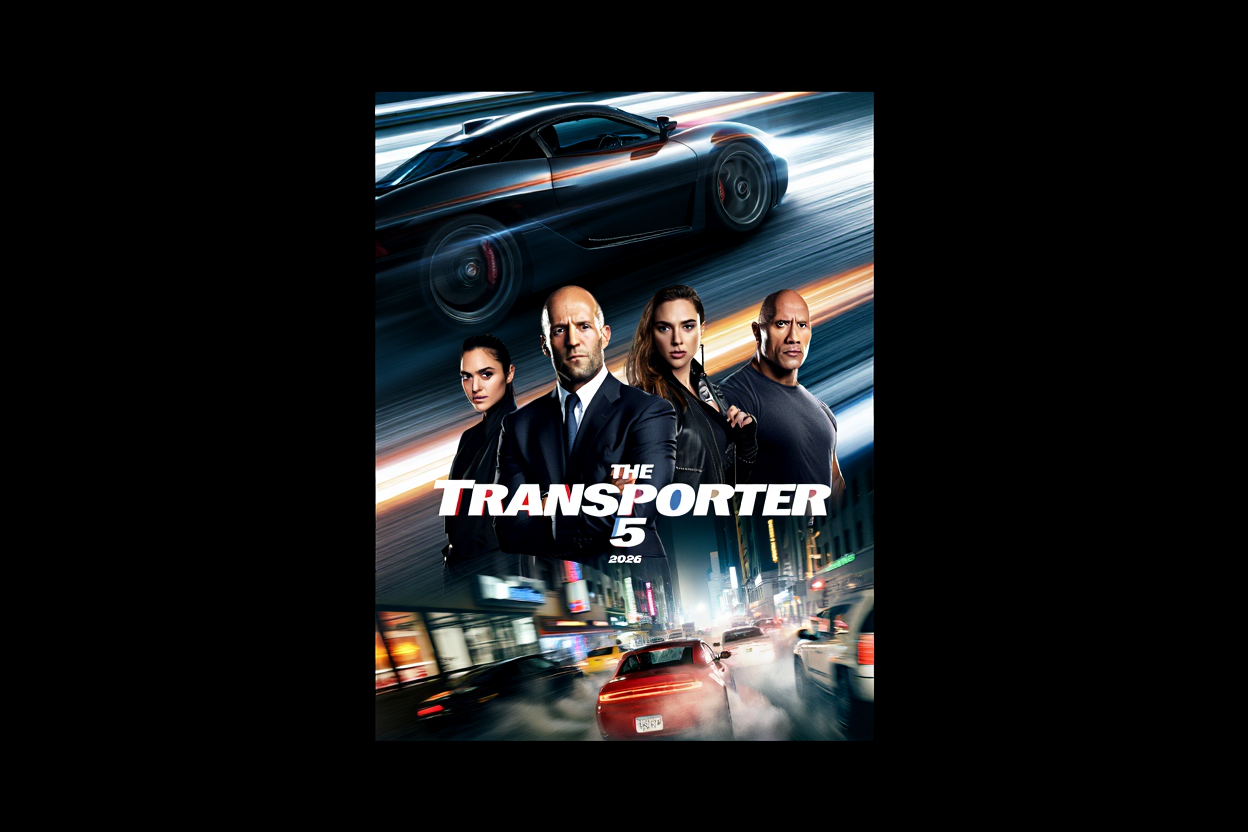
There’s a precision to chaos in The Transporter 5 (2026) that feels almost surgical. This isn’t just another action sequel—it’s a recalibration of what the franchise stands for. Rules still exist… but now, they’re meant to be broken.
At the center of it all, Jason Statham returns with a colder, sharper edge. Frank Martin isn’t just a driver anymore—he’s a man who’s seen too much, trusted too little, and learned that control is an illusion. His movements are tighter, his silence heavier. Every decision feels deliberate… until it doesn’t.
Opposite him, Gal Gadot brings a presence that’s both elegant and dangerous. She doesn’t just play the game—she rewrites it. There’s a calm confidence in her performance that makes every scene unpredictable. You’re never quite sure if she’s the ally… or the trigger.
Then comes Scarlett Johansson, adding a layer of calculated intelligence to the narrative. Her character operates in the shadows, always two steps ahead, always watching. She doesn’t need to raise her voice—the tension follows her naturally, like a signal you can’t ignore.
And just when the balance feels set, Dwayne Johnson crashes into the story with unstoppable force. He isn’t subtle—he doesn’t need to be. His presence shifts the entire dynamic, turning every confrontation into something bigger, louder, and far more dangerous.
The action is relentless, but never careless. Car chases are tighter, more grounded, built on precision rather than spectacle. Every turn, every impact, every second feels controlled—until chaos takes over. And when it does, it hits hard.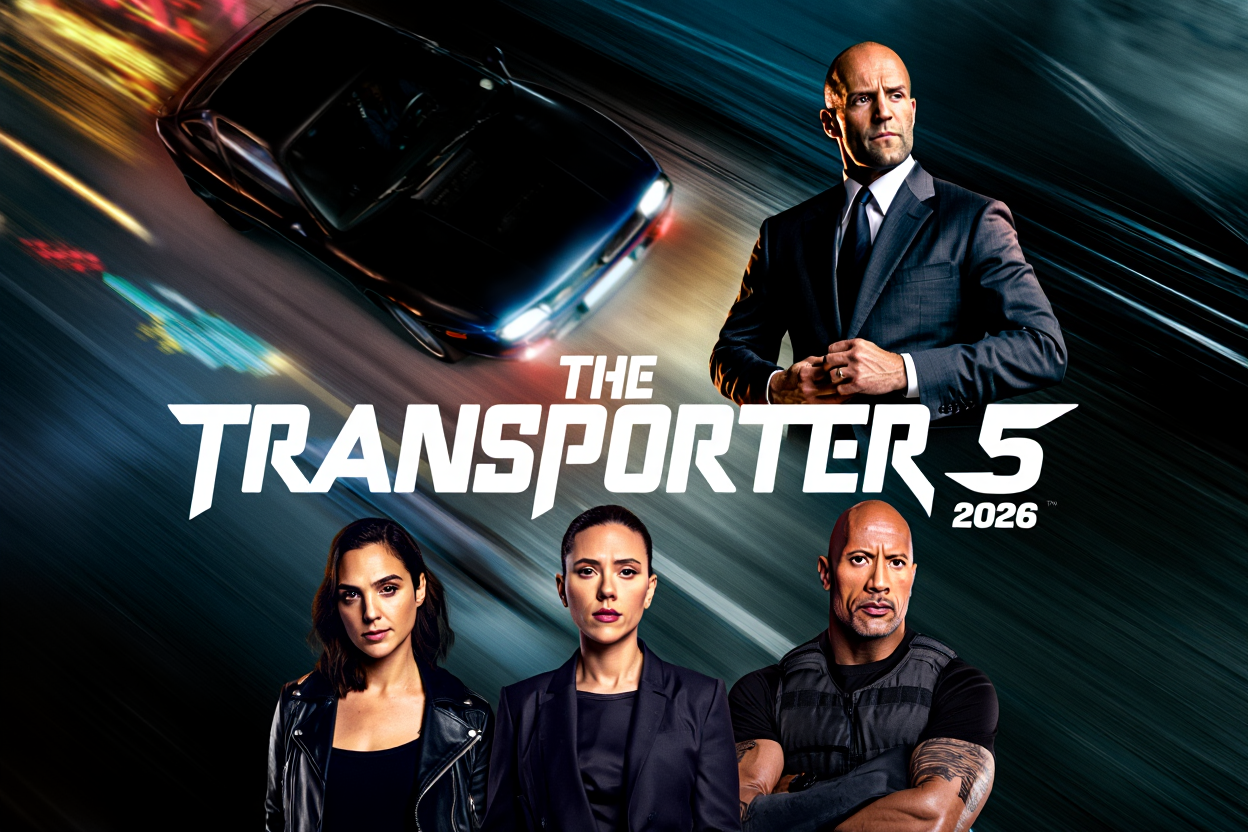
Visually, the film leans into contrast. Sleek, high-end environments clash with raw, urban grit. Night sequences glow with neon tension, while daylight exposes everything the characters are trying to hide. It’s a world where nothing stays clean for long.
The dialogue cuts deep without wasting time. Conversations are sharp, often loaded with subtext. Trust is never given—it’s negotiated, tested, and often betrayed. Every line feels like a move in a larger game.
Beneath the action, there’s a quiet shift in theme. This isn’t just about delivering a package anymore—it’s about understanding what’s worth protecting. The rules Frank once lived by begin to blur, forcing him to confront something he’s always avoided: choice.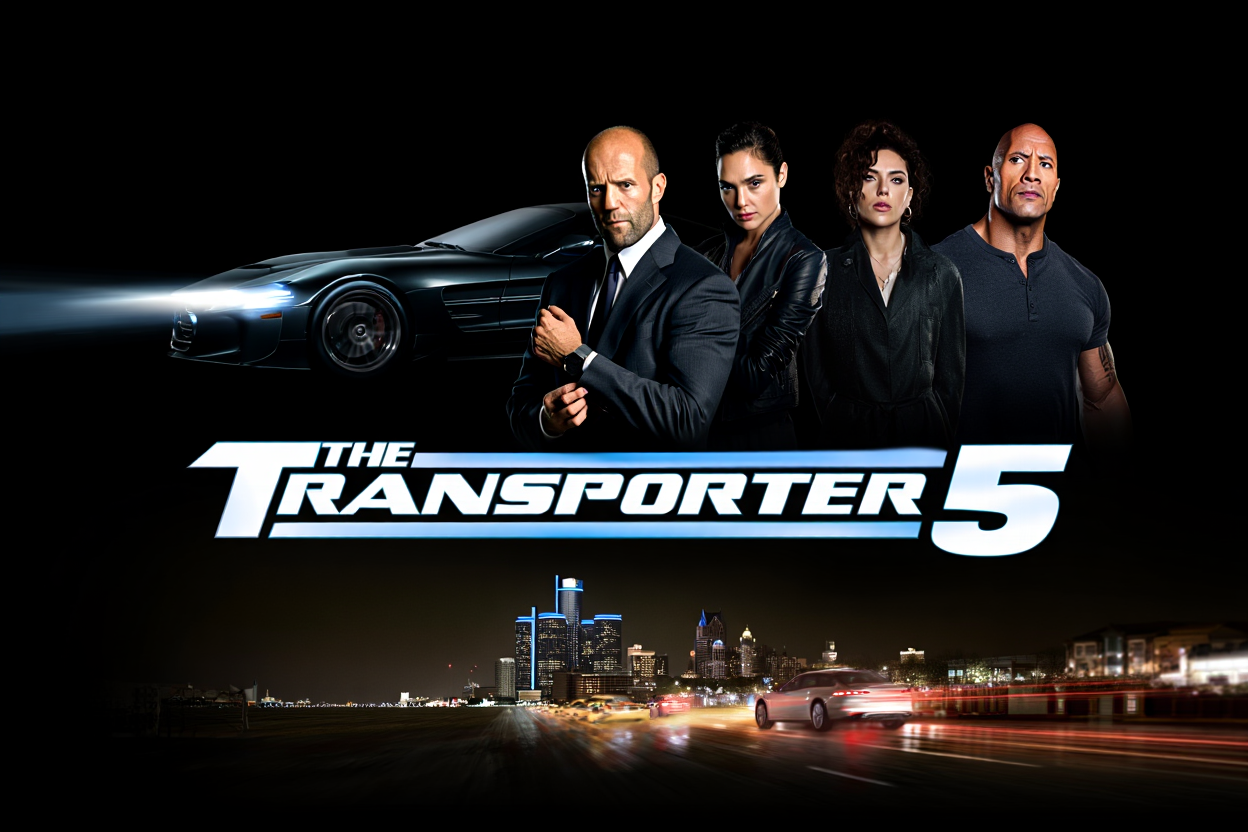
Midway through, the film pivots. Alliances fracture, motives unravel, and what once seemed like a straightforward mission becomes something far more personal. The stakes aren’t just physical—they’re psychological.
The pacing never lets up, but it knows when to pause. Small moments—glances, hesitation, a line delivered with just enough weight—add depth to the chaos. It’s in these moments that the film breathes.
What lingers after the final scene isn’t just the adrenaline—it’s the shift. The realization that even someone built on rules can change… when the cost of staying the same becomes too high.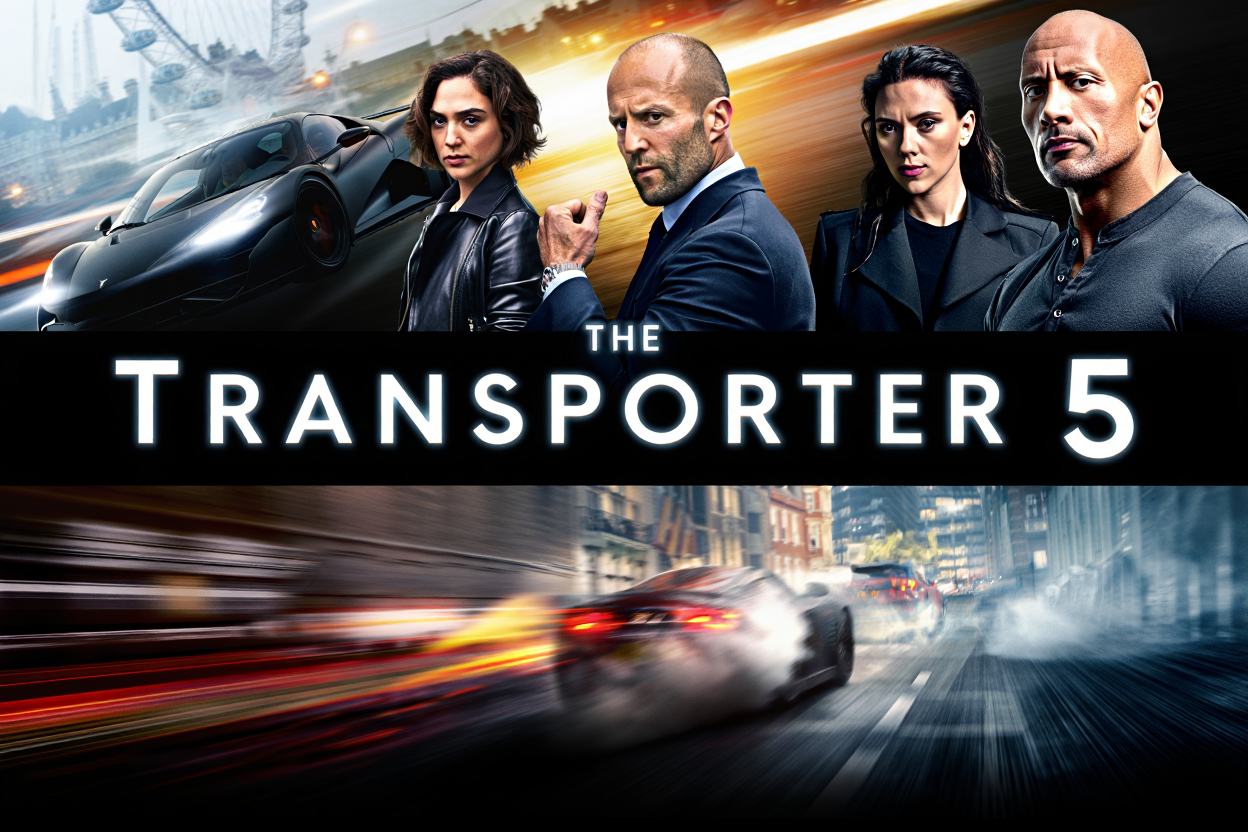
The Transporter 5 (2026) doesn’t just move fast—it moves forward. And this time, the ride isn’t just about speed… it’s about what you’re willing to risk when there’s nothing left to lose.