🥊 Creed IV (2026): Legacy Never Dies — It Evolves
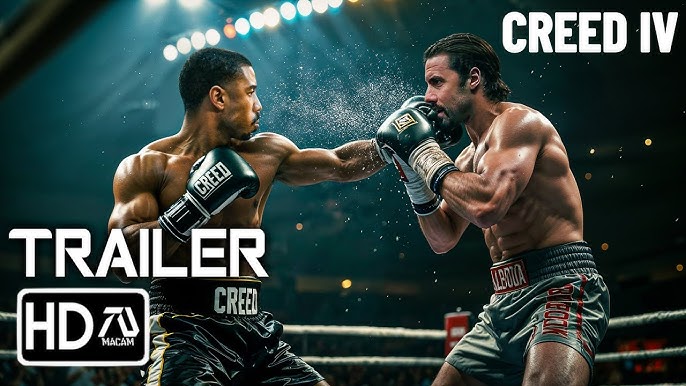
When Creed III closed the curtain on Adonis Creed’s personal redemption, many believed the saga had found its final bell. But Creed IV (2026) punches back harder than anyone expected — a bold, emotional continuation that redefines what legacy, identity, and greatness truly mean in a post-Rocky world.
Directed once again with vision and fire, the fourth installment finds Adonis (Michael B. Jordan) grappling with the weight of fame, fatherhood, and the unrelenting ghosts of the ring. Years have passed since his last fight, and while the spotlight has dimmed, his inner fire refuses to die. Retirement isn’t peace — it’s pressure, coiling tighter every day.
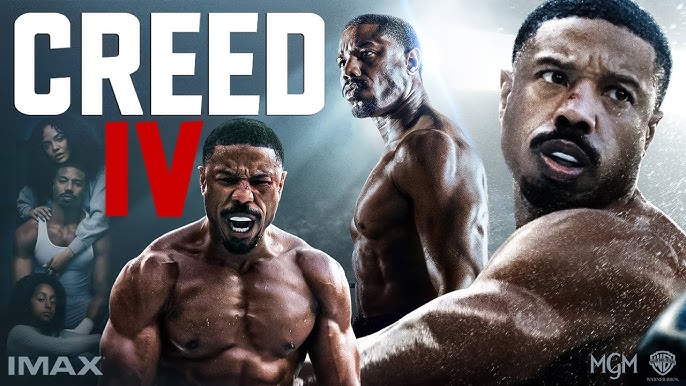
When a rising fighter with dangerous ties to the past challenges everything Creed stands for, the gloves inevitably come off. The film’s central conflict isn’t just about strength — it’s about spirit. Adonis must confront the parts of himself he’s buried beneath glory: the fear of failure, the pain of legacy, and the haunting question — what happens when the fighter becomes the mentor?
Michael B. Jordan delivers his most mature and layered performance yet. His Adonis is no longer the scrappy underdog; he’s a man standing at the crossroads of purpose and pride. Every punch he throws feels heavier, not from muscle, but from memory. His silence between rounds speaks volumes — about loss, legacy, and the unbearable weight of expectation.
The direction (still under Jordan’s hand, as confirmed by MGM) is fierce yet intimate. The fight choreography feels raw, thunderous, and painfully real. Each blow lands with cinematic precision, but the real war happens in the eyes — in the moments between strikes, in the quiet before the bell. Jordan understands that the Creed series isn’t just about boxing; it’s about breaking. And rebuilding.
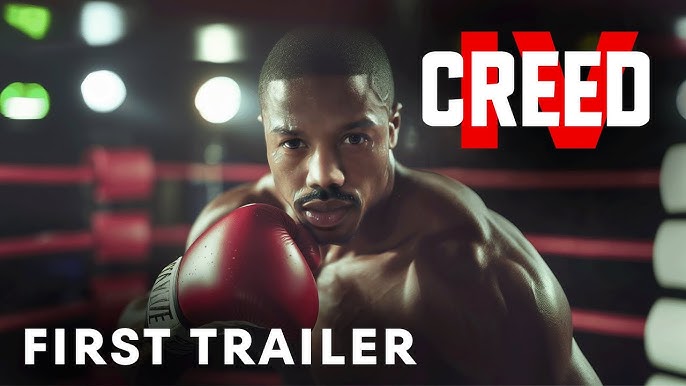
Narratively, Creed IV shifts the franchise’s tone toward mentorship and generational change. Adonis finds himself training a young fighter — a street-tough prodigy who mirrors his own hunger and recklessness from years ago. Their bond becomes the film’s heartbeat, echoing the spirit of Rocky and Apollo, but with a modern, grittier edge.
What makes Creed IV unforgettable is its emotional resonance. It explores what it means to be both hero and human — to bleed for your name, and then to let that name evolve beyond you. Themes of legacy, fatherhood, and forgiveness ripple through every frame, elevating it beyond the ropes.
The cinematography continues to push boundaries, blending kinetic in-ring camerawork with striking emotional stillness. The sound design captures the heartbeat of the fight — gloves hitting flesh, breaths colliding, silence cutting deeper than any jab. Every round feels like a lifetime compressed into seconds.
Supporting performances shine too. Tessa Thompson’s Bianca grounds the story with warmth and truth, reminding us that Adonis’s greatest fight has never been in the ring. And while Rocky Balboa’s presence remains only in spirit, his shadow looms large — a reminder that legends don’t fade; they echo.
By the time the final round unfolds, Creed IV delivers not just a fight but a full-circle reckoning. It’s a story about letting go — of fear, of pride, of the need to prove. In its final moments, the series steps out of the shadow of the Rocky legacy entirely, standing proud, bruised, and unbroken.
Creed IV (2026) is more than a sequel — it’s a statement. About endurance. About evolution. About the fight within. Because some battles aren’t won in the ring; they’re won in the heart.
⭐ “Legacy is earned, not inherited.” Creed IV is the knockout continuation fans didn’t just want — it’s the one the saga needed.
Related movies :
Related movies :
Related movies :
Related movies :
Related movies :
Related movies :
Related movies :
Related movies :
Related movies :
Related movies :
Related movies :
Related movies :
Related movies :
Related movies :
Related movies :
Related movies :
Related movies :