SOLO LEVELING (2026) — The weakest hunter just rewrote the rules of power.
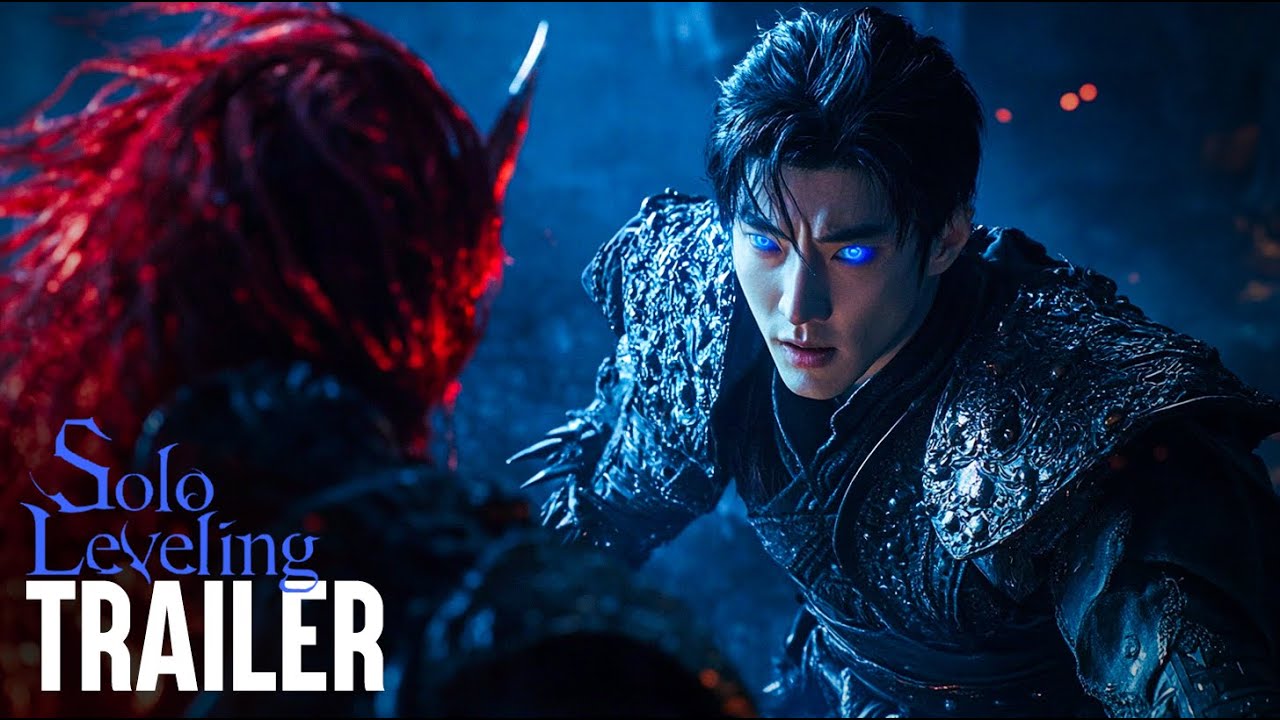
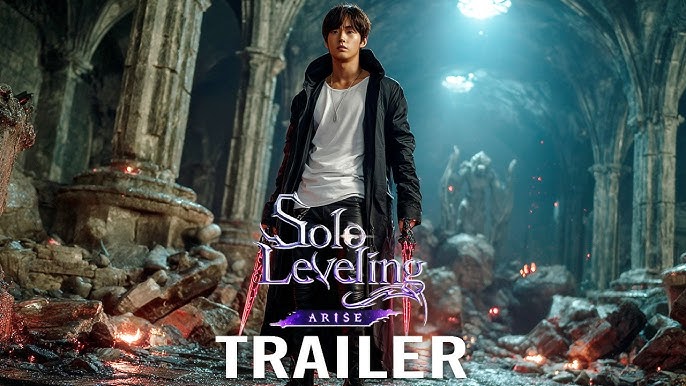
There’s something inherently thrilling about watching a nobody become unstoppable—but Solo Leveling (2026) doesn’t just follow that formula. It weaponizes it. From its very first moments, the film drags you into a world where survival isn’t heroic—it’s desperate, brutal, and often humiliating. And at the center of it all stands Sung Jin-Woo, a man so weak he’s barely considered a hunter at all.
What makes this story hit harder than most isn’t the power fantasy—it’s the suffering that comes before it. Jin-Woo isn’t born special. He’s broken down, ridiculed, and pushed to the edge of death more times than anyone can count. The film takes its time letting you feel that weight, making every wound, every failure, every moment of fear painfully real.
And then… something changes.
The turning point isn’t loud—it’s eerie. A system appears, silent and merciless, offering him something no one else has: a chance to level up. Not through destiny. Not through luck. But through pain, repetition, and sacrifice. From that moment on, Solo Leveling transforms into something far more addictive than a simple hero’s journey—it becomes a descent into obsession.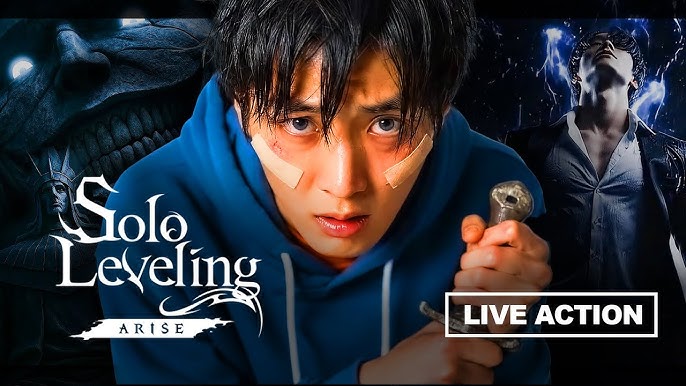
What’s fascinating is how the film handles Jin-Woo’s evolution. He doesn’t just grow stronger—he grows colder. More distant. More calculated. Every battle chips away at his humanity while building something far more dangerous in its place. The question slowly creeps in: is he still the same man we rooted for at the beginning?
Visually, the film is relentless. Dungeons feel claustrophobic and alive, monsters designed not just to intimidate but to overwhelm. Every fight carries weight—there’s no sense of safety, no guaranteed victory. When Jin-Woo wins, it feels earned. When he loses, it hurts.
But the real spectacle isn’t the action—it’s the progression. Watching him climb from the absolute bottom to something almost godlike taps into a primal satisfaction. Numbers rise, abilities unlock, shadows obey. Yet beneath that satisfaction lies unease. Power in this world doesn’t come free—and the film never lets you forget it.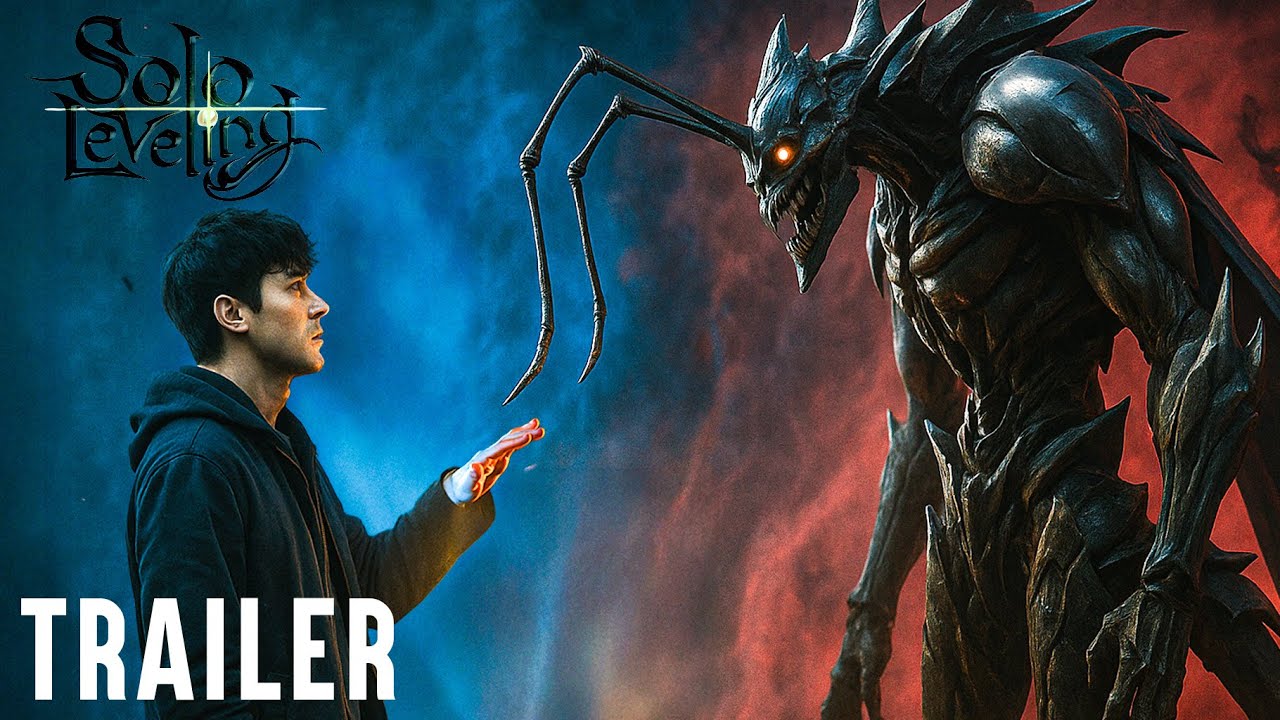
The supporting cast plays an equally important role, not as distractions but as mirrors. Through them, we see how abnormal Jin-Woo becomes. While others fear the system, he embraces it. While others hesitate, he moves forward without looking back. It’s both inspiring and deeply unsettling.
What elevates Solo Leveling (2026) beyond typical adaptations is its tone. It’s darker, heavier, more introspective than expected. The film isn’t interested in celebrating strength—it’s interested in questioning it. What does it mean to keep growing when there’s no limit? What do you lose along the way?
Even the silence in this film feels intentional. Moments between battles linger just long enough for doubt to creep in. You’re not just watching a man become stronger—you’re watching him become something else entirely. Something the world may not be ready for.
By the time the final act unfolds, the scale shifts dramatically. The stakes are no longer about survival—they’re about dominance. And Jin-Woo stands at the center of it, no longer the weakest hunter, but something far beyond the system that created him.
Solo Leveling (2026) isn’t just a rise-to-power story. It’s a warning wrapped in spectacle. Because sometimes, the scariest thing isn’t being weak… it’s realizing there’s nothing left that can stop you once you’re not.