The worst of America’s inflation resurgence may be over, but that doesn’t mean the inflation resurgence is over: Prices could keep rising uncomfortably for years.
On Tuesday, the Bureau of Labor Statistics is expected to report that consumer prices fell in June from the previous month. It would be the first time in two years that prices dropped month-over-month – and only the third time since the pandemic.
Almost all of that decline will be because gas and oil prices fell by an extraordinary amount last month after President Donald Trump signed a Memorandum of Understanding with Iran. (Last week, Trump declared that agreement “over,” sending oil prices rebounding slightly again.)
But stripping away volatile oil prices, the inflation picture isn’t looking quite so rosy.
Economists expect that the tumbling fuel costs caused overall prices to fall 0.2% in June from the month before, FactSet estimates show. They’re expecting the annual rate of inflation to ease as well, slowing to 3.8% from 4.2%.
That’s still pretty high. Consumers tend to notice price hikes when they average more than 2% – a Federal Reserve target that new Chairman Kevin Warsh noted the central bank has failed to hit for five years.
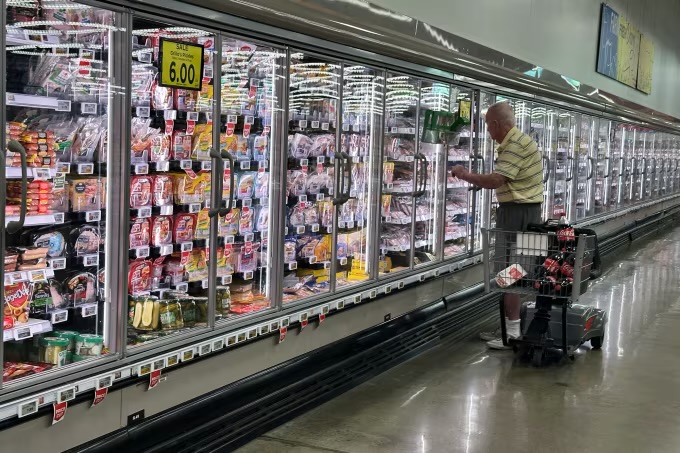
But a drop in energy costs doesn’t magically erase price hikes already set into motion by the previous surge in oil and fuel prices or the constricted supply of critical materials like fertilizer and metals.
“The increase in energy prices from February through May, and the businesses that took on those extra costs, those are still in the system,” said Claudia Sahm, chief economist at New Century Advisors. “They’re showing up in other types of goods prices or services prices.”
Those effects take time to work their way to consumers, she added, but the closely watched “core” inflation gauge, which strips out energy and food costs, could provide a rough view of how those price hikes are seeping through.
Core inflation was already running at a warm 2.5% before the US and Israel’s strikes on Iran, and it has increased every month through May, when it hit 2.9% annually.
It might be in that uncomfortable state for a while.
Businesses have been passing along the costs of Trump’s tariffs, increasing goods prices in the process, Sahm said.
On top of that, the United States is dealing with what economists call “sticky” inflation.
Inflation gets particularly sticky when prices for services rise – think haircuts, trips to the doctor or the vet, that recent oil change or car repair. Those prices tend not to go on sale, and they also move in one direction: up. (When was the last time your gym membership fell?)
Disinflation (when the pace of price hikes cools) is typically more sluggish in service businesses because their biggest expense is labor. Unlike goods prices, which are more dynamic and can rise and fall based on supply and demand, wages tend not to be adjusted downward.
Sticky inflation is a problem because the United States is a services-based economy. Just under three-quarters of the US economy is made up of service businesses, according to the St. Louis Federal Reserve.
There is good news on the services front: Housing, which accounts for the largest share of the Consumer Price Index, has been on a slow (very slow) but steady disinflationary path for the past three years. Housing-related inflation is now running at a rate last seen around 2016 to 2019.
The not-so-good news: Core services inflation outside of housing has been strikingly stubborn and even picked up speed in the first part of this year.
And economists are growing concerned that the next bout of inflation may come on top of the preexisting price increases.
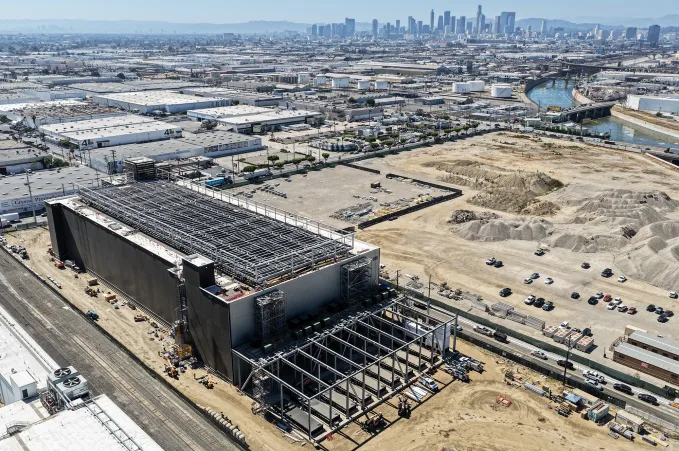
The massive push to lay the groundwork for the artificial intelligence revolution is expensive. Really expensive. Tech companies are expected to spend more next year on AI than the United States spends on its military, according to Morgan Stanley.
Data-center buildouts have already raised electricity prices, up nearly 6% over the past year.
And memory and storage chip prices are surging as data centers gobble them up: Apple recently announced it would raise its iPad and Mac prices because of the skyrocketing price of memory chips.
Each 10% increase in AI-related hardware costs would raise consumer inflation around 0.1%, according to Abiel Reinhart, senior economist at JPMorgan.
Adding AI features in business applications will also raise the price of software. For example, Microsoft raised personal Office 365 prices by 43% in February (30% for a family plan) after keeping them steady for a decade. The new feature: Copilot, Microsoft’s new AI tool.
AI eventually will increase productivity, which should reduce inflation, according to the Federal Reserve minutes released last week. But it’s not certain when that shift will take place.
Because America’s weapons stockpiles are rapidly dwindling during the war with Iran, economists expect a manufacturing resurgence in the second half of the year.
The Pentagon asked for $1.5 trillion of spending, including a supplemental $87.6 billion to replenish its weapons.

All that spending on weapons manufacturing, on top of the spending on AI technology, is going to add a lot of demand for tech components and labor all at the same time – when those are already in short supply.
“We’ll get a tailwind to an economy that’s already growing strong,” said Joe Brusuelas, chief economist at RSM US. “That, my friend, is inflationary.”
The war also disrupted global supply chains, which will feed in to consumer inflation, new Atlanta Fed research shows.
As it stands, Americans are paying basically a third more for most goods and services than they did before the pandemic.
“It’s going to take a few years of low inflation for consumers to feel like things are kind of back to normal,” said Gus Faucher, chief economist at The PNC Financial Services Group. “It’s going to be a long, drawn-out process before people are starting to feel good about things again.”
The worst of America’s inflation resurgence may be over, but that doesn’t mean the inflation resurgence is over: Prices could keep rising uncomfortably for years.
On Tuesday, the Bureau of Labor Statistics is expected to report that consumer prices fell in June from the previous month. It would be the first time in two years that prices dropped month-over-month – and only the third time since the pandemic.
Almost all of that decline will be because gas and oil prices fell by an extraordinary amount last month after President Donald Trump signed a Memorandum of Understanding with Iran. (Last week, Trump declared that agreement “over,” sending oil prices rebounding slightly again.)
But stripping away volatile oil prices, the inflation picture isn’t looking quite so rosy.
Economists expect that the tumbling fuel costs caused overall prices to fall 0.2% in June from the month before, FactSet estimates show. They’re expecting the annual rate of inflation to ease as well, slowing to 3.8% from 4.2%.
That’s still pretty high. Consumers tend to notice price hikes when they average more than 2% – a Federal Reserve target that new Chairman Kevin Warsh noted the central bank has failed to hit for five years.
But a drop in energy costs doesn’t magically erase price hikes already set into motion by the previous surge in oil and fuel prices or the constricted supply of critical materials like fertilizer and metals.
“The increase in energy prices from February through May, and the businesses that took on those extra costs, those are still in the system,” said Claudia Sahm, chief economist at New Century Advisors. “They’re showing up in other types of goods prices or services prices.”
Those effects take time to work their way to consumers, she added, but the closely watched “core” inflation gauge, which strips out energy and food costs, could provide a rough view of how those price hikes are seeping through.
Core inflation was already running at a warm 2.5% before the US and Israel’s strikes on Iran, and it has increased every month through May, when it hit 2.9% annually.
It might be in that uncomfortable state for a while.
Businesses have been passing along the costs of Trump’s tariffs, increasing goods prices in the process, Sahm said.
On top of that, the United States is dealing with what economists call “sticky” inflation.
Inflation gets particularly sticky when prices for services rise – think haircuts, trips to the doctor or the vet, that recent oil change or car repair. Those prices tend not to go on sale, and they also move in one direction: up. (When was the last time your gym membership fell?)
Disinflation (when the pace of price hikes cools) is typically more sluggish in service businesses because their biggest expense is labor. Unlike goods prices, which are more dynamic and can rise and fall based on supply and demand, wages tend not to be adjusted downward.
Sticky inflation is a problem because the United States is a services-based economy. Just under three-quarters of the US economy is made up of service businesses, according to the St. Louis Federal Reserve.
There is good news on the services front: Housing, which accounts for the largest share of the Consumer Price Index, has been on a slow (very slow) but steady disinflationary path for the past three years. Housing-related inflation is now running at a rate last seen around 2016 to 2019.
The not-so-good news: Core services inflation outside of housing has been strikingly stubborn and even picked up speed in the first part of this year.
And economists are growing concerned that the next bout of inflation may come on top of the preexisting price increases.
The massive push to lay the groundwork for the artificial intelligence revolution is expensive. Really expensive. Tech companies are expected to spend more next year on AI than the United States spends on its military, according to Morgan Stanley.
Data-center buildouts have already raised electricity prices, up nearly 6% over the past year.
And memory and storage chip prices are surging as data centers gobble them up: Apple recently announced it would raise its iPad and Mac prices because of the skyrocketing price of memory chips.
Each 10% increase in AI-related hardware costs would raise consumer inflation around 0.1%, according to Abiel Reinhart, senior economist at JPMorgan.
Adding AI features in business applications will also raise the price of software. For example, Microsoft raised personal Office 365 prices by 43% in February (30% for a family plan) after keeping them steady for a decade. The new feature: Copilot, Microsoft’s new AI tool.
AI eventually will increase productivity, which should reduce inflation, according to the Federal Reserve minutes released last week. But it’s not certain when that shift will take place.
Because America’s weapons stockpiles are rapidly dwindling during the war with Iran, economists expect a manufacturing resurgence in the second half of the year.
The Pentagon asked for $1.5 trillion of spending, including a supplemental $87.6 billion to replenish its weapons.
All that spending on weapons manufacturing, on top of the spending on AI technology, is going to add a lot of demand for tech components and labor all at the same time – when those are already in short supply.
“We’ll get a tailwind to an economy that’s already growing strong,” said Joe Brusuelas, chief economist at RSM US. “That, my friend, is inflationary.”
The war also disrupted global supply chains, which will feed in to consumer inflation, new Atlanta Fed research shows.
As it stands, Americans are paying basically a third more for most goods and services than they did before the pandemic.
“It’s going to take a few years of low inflation for consumers to feel like things are kind of back to normal,” said Gus Faucher, chief economist at The PNC Financial Services Group. “It’s going to be a long, drawn-out process before people are starting to feel good about things again.”
https://www.cnn.com/2026/07/13/economy/inflation-prices