The Ultra-Rare Conjoined Twins With Two Heads, Three Arms, Two Hearts
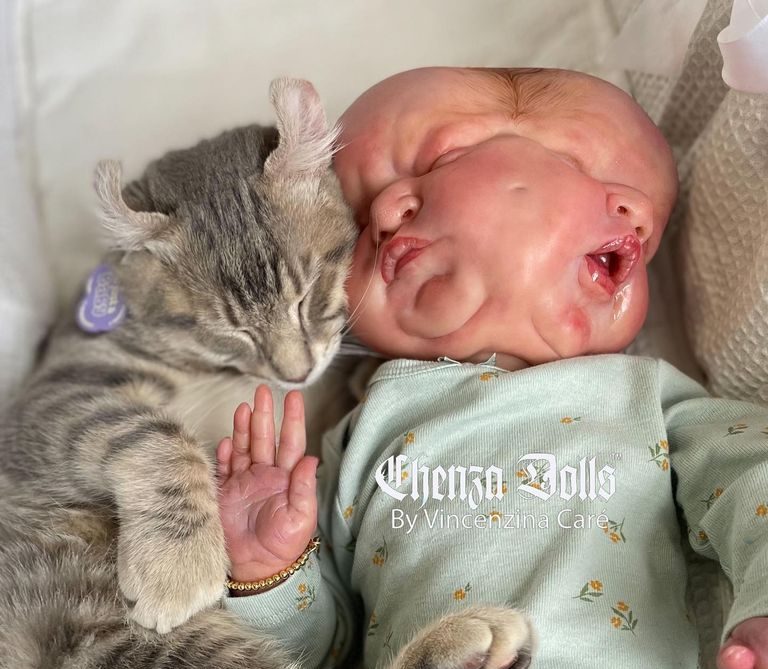
Doctors in India were stunned after a mother expecting twins gave birth to a baby with an ultra-rare medical condition: Dicephalic Parapagus (two-headed conjoined twins). The baby was born with two heads, three arms (one shared arm), and two hearts housed within a single torso.
The Extreme Rarity of the Condition
Dicephalic Parapagus is one of the most complex forms of conjoining, where two individuals are fused together by a single trunk. The condition is exceedingly rare, and the neonatal mortality rate is extremely high, often resulting in stillbirth or death shortly after delivery.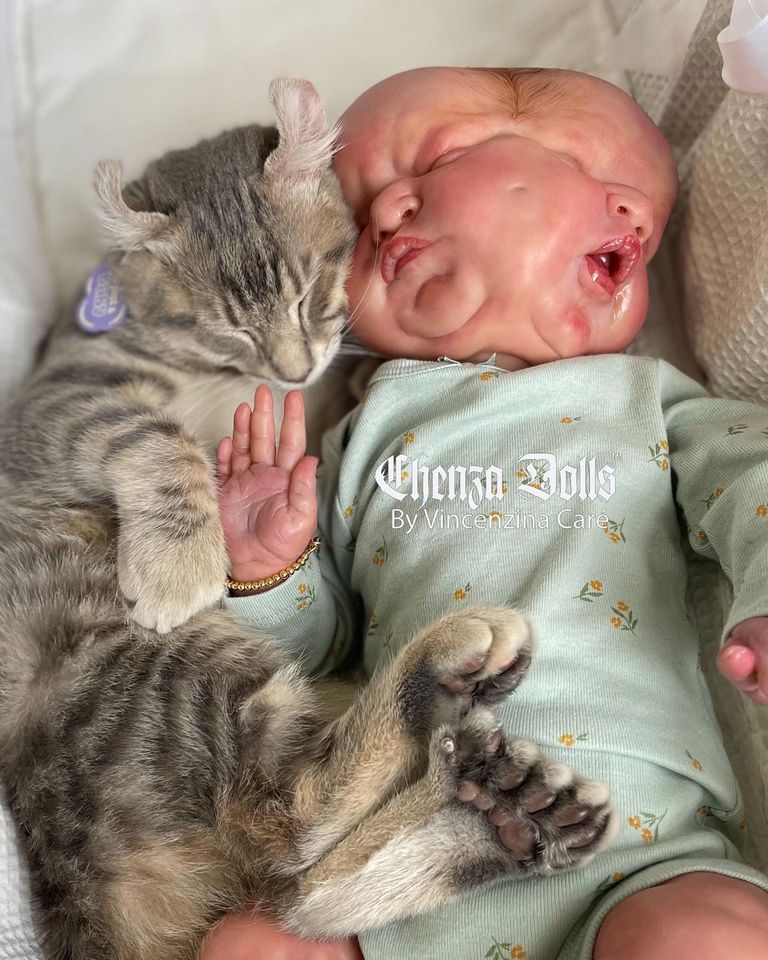
This miraculous case defied the grim initial prognosis. The conjoined infants have survived and are currently under close observation by pediatric and cardiac specialists in the hospital. Their survival is a phenomenal medical event, demonstrating remarkable resilience.
We send our prayers and strength to the tiny twins and their family, who are facing an undoubtedly challenging journey ahead. This is a rare medical phenomenon demanding the highest level of specialized care and expertise.
Analysis on the Possibility of Separation Surgery
You asked whether medical science could attempt separation surgery in this case.
Analysis: Feasibility of Separation in Dicephalic Parapagus
Structural Complexity: Dicephalic Parapagus is among the most challenging forms of conjoining to separate. The major issue is that the infants share a single torso. While they have two heads and two hearts (often a good sign for initial survival), they almost certainly share critical organs such as the liver, lungs, gastrointestinal tract, pelvis, and urinary system.
Functional Viability: Separation would necessitate dividing these shared vital organs and creating two viable bodies, each requiring full functional systems. For this specific type of fusion, separation is often deemed impossible or only feasible if one twin is sacrificed to save the other, which presents an overwhelming ethical dilemma.
Medical Consensus: In most cases of Dicephalic Parapagus that survive birth, doctors prioritize supportive care and quality of life over the immense risks of separation surgery, unless there is an immediate life-threatening risk to one twin (e.g., one heart failing and jeopardizing the other).
Conclusion: Based on medical precedent, separation is highly unlikely to be recommended due to the overwhelming complexity and risk to the survival of both infants. The focus will likely be on palliative and supportive care to ensure their continued survival as conjoined individuals.