The Frozen Baby Mammoth of Yukon: A 30,000-Year-Old Discovery
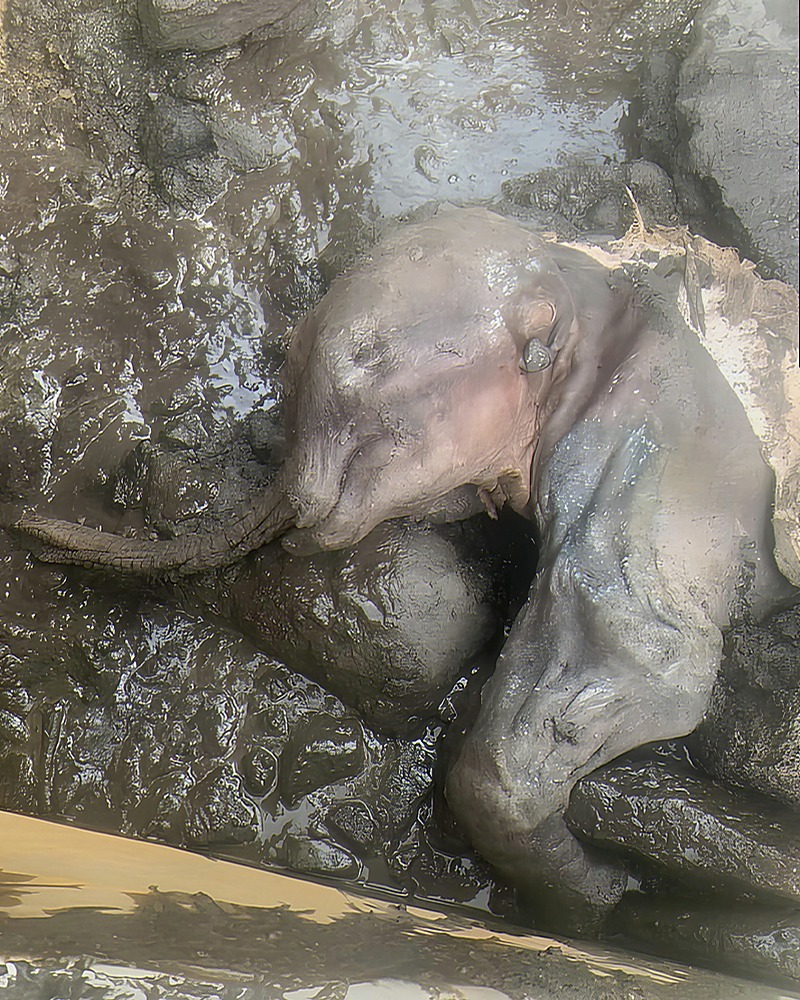
In 2022, an extraordinary discovery was made in the heart of Yukon, Canada, that has sent shockwaves through the world of paleontology. While conducting routine gold mining activities in the Klondike gold fields, a gold miner stumbled upon the nearly perfectly preserved remains of a baby mammoth — an animal that had been frozen in permafrost for over 30,000 years. This remarkable find offers an unprecedented glimpse into the world of Ice Age megafauna, providing researchers with invaluable insights into prehistoric life and the environmental conditions of that era.
A Frozen Relic of the Ice Age
The discovery of the baby mammoth in such pristine condition is a paleontological marvel. Researchers were astounded by the remarkable preservation of the specimen, with its skin, hair, and even parts of its trunk still intact after thousands of years. The specimen, believed to be a young mammoth that died during the Pleistocene epoch, was encased in permafrost — the frozen ground that has helped preserve prehistoric creatures in a way that is rarely seen in paleontological finds.
The baby mammoth’s well-preserved state allows scientists to study its physical traits, including its size, features, and anatomical structure. The discovery offers an extraordinary opportunity to understand how these ancient creatures lived, what their environment was like, and how they adapted to the harsh conditions of the Ice Age. The mammoth’s hair and skin, along with well-preserved skeletal remains, give us the clearest picture of an animal that lived long before human civilizations arose.
Insights into the Ice Age Environment
The Klondike gold fields, where this mammoth was uncovered, have become an important site for paleontologists studying the Ice Age. By analyzing the frozen remains, researchers can learn more about the environmental conditions of the time. The Yukon landscape during the Ice Age was vastly different from today, filled with expansive mammoth herds, large predators like saber-toothed cats, and other prehistoric species.
Scientists are particularly interested in studying how the mammoth lived in such a cold environment, what it ate, and how it interacted with the other creatures of the Ice Age. The location of the find is critical because the Klondike gold fields have previously yielded other prehistoric fossils, offering a broader view of the biodiversity that existed in the area during this ancient period.
The Baby Mammoth’s Journey to Whitehorse
The baby mammoth, now safely stored at a facility in Whitehorse, is undergoing further research and conservation. The mammoth’s remains will provide important information about the mammoth’s diet, growth patterns, and the health of the individual mammoth at the time of its death. Ongoing research will likely reveal even more about the mammoth’s life cycle and what happened to cause its untimely demise.
A Major Breakthrough in Prehistoric Research
This discovery is not just important because of its rarity, but because it promises to reshape our understanding of prehistoric life in the Ice Age. While mammoths have been studied before, finding one in such excellent condition offers scientists the ability to study Ice Age life in a way never before possible. This discovery also highlights how rapidly changing climate conditions can expose ancient remains that have been trapped beneath permafrost for millennia, offering glimpses into the world of prehistoric megafauna.
As researchers continue their work, the frozen baby mammoth will undoubtedly provide a treasure trove of insights into both the creatures that once dominated the Earth and the environmental changes that led to their eventual extinction.