Unveiling Mystery: Frozen Body of Captain Found on 18th Century Ghost Ship
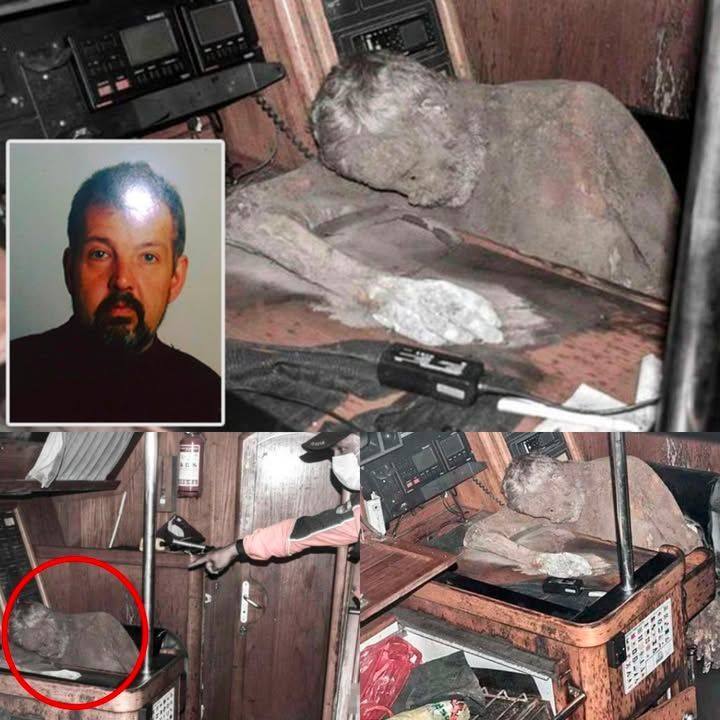
A chilling discovery has emerged from the icy waters of the North Atlantic — the frozen body of a ship’s captain, found aboard an 18th-century ghost ship long believed to be lost at sea. Perfectly preserved in ice, the captain sits as though locked in his final moments, his expression frozen in time. This haunting archaeological revelation is shaking historians, maritime researchers, and mystery enthusiasts alike, inviting new speculation about the tragic fate of this once-proud vessel. As investigators piece together the clues, the ghost ship reveals more questions than answers — and its silent captain remains the most haunting clue of all.
A Vessel Returned From the Dead
The discovery began when a research team studying drifting ice formations noticed an old wooden hull partially trapped in frozen waters. Upon closer inspection, the ship’s structure — its timbers, sails, and rusted fittings — matched historical records of vessels that disappeared in the late 1700s. What no one expected was the horrifying surprise waiting inside.
In the captain’s quarters, slumped over a desk and encased in frost, sat the perfectly preserved body of the captain. His uniform, journals, and instruments were intact, untouched by decay thanks to the extreme cold. Researchers were stunned to find that even his hair, eyelashes, and clothing remained in remarkable condition, allowing for an unprecedented glimpse into maritime life centuries ago.
What Happened on This Final Voyage?
The eerie preservation of the captain’s body raises unsettling questions. Why was he alone? Where was the crew? Why had the ship been left to drift for hundreds of years without sinking? Theories range from sudden abandonment due to a violent storm, illness sweeping through the crew, or mutiny — to far more mysterious explanations.
The captain’s final log entries, found frozen beside him, mention deteriorating weather, failing navigation equipment, and increasingly fearful crew members reporting strange lights at sea. Some historians interpret this as a sign of severe disorientation caused by Arctic conditions. Others believe the entries hint at supernatural fears that plagued sailors during the Age of Exploration.
The Ice That Preserved a Legend
Part of what makes this discovery so extraordinary is the perfect preservation of the captain’s body. Subzero temperatures effectively halted decomposition, making this one of the most intact maritime remains ever found. His expression — a mixture of exhaustion, fear, and resignation — offers a glimpse into his final hours aboard the vessel.
Experts suggest that the ship became trapped in fast-moving Arctic ice, which crushed the hull enough to immobilize it but not enough to sink it. Over decades, cold temperatures would have preserved the captain while his crew, likely attempting to escape the icebound ship, perished in the frozen wilderness.
A Ghost Ship With More Stories to Tell
The discovery raises lingering questions: Did the crew abandon their captain? Did he stay behind on principle — or was he already dead when the ship froze? And what caused the ship to drift silently for centuries, never spotted until now?
As researchers continue studying the vessel, sonar images, preserved journals, and personal belongings are helping reconstruct the ship’s terrifying final journey. One thing is clear: this ghost ship, once swallowed by the cold, has returned with a story the world is only beginning to understand.