Hero in the Sky: Captain Tammie Jo Shults and Flight 1380
Hero in the Sky: Captain Tammie Jo Shults and Flight 1380
On April 17, 2018, Southwest Airlines Flight 1380 faced disaster at 32,000 feet. A left engine exploded without warning, sending metal shrapnel tearing through the fuselage. A window blew out, partially pulling a passenger through the opening. The cabin depressurized instantly. Oxygen masks dropped, and the aircraft shook violently.
Inside, passengers believed they were living their final moments. Families sent farewell texts. Strangers held hands. Parents whispered reassurances they barely believed themselves.
In the cockpit, alarms screamed. The plane rolled dangerously. One engine was gone. Systems were failing. Yet through the chaos came a voice—calm, steady, unshaken.
Captain Tammie Jo Shults spoke to air traffic control as if ordering coffee: “We have a part of the aircraft missing, so we’re going to need to slow down a bit… Could you have medical meet us there on the runway as well? We’ve got injured passengers.”
Controllers later admitted they could hardly believe her composure. She sounded as though she was reporting a minor inconvenience, not fighting to save 149 lives.
That calm was no accident. It was forged in a lifetime of resilience.
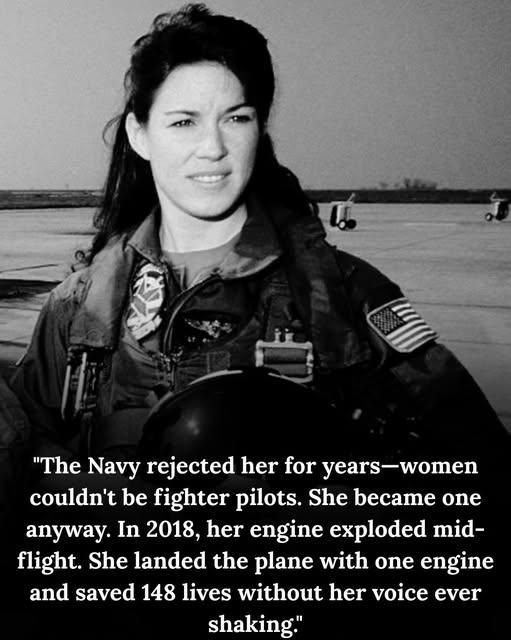
Shults grew up in New Mexico, dreaming of the sky. She wanted to be a fighter pilot, but the world told her girls couldn’t fly combat aircraft. The U.S. Navy rejected her applications again and again.
Finally, in 1985, she was accepted—not as a combat pilot, but as an instructor. She trained elite male pilots in emergency maneuvers, mastering the art of survival when everything went wrong.
When the combat exclusion policy fell in 1993, Shults seized her chance. She became one of the first women to fly the F/A-18 Hornet, proving she belonged in every cockpit.
After years of service, she transitioned to commercial aviation. Some saw it as a step down. She saw it as a new mission: bringing people home safely.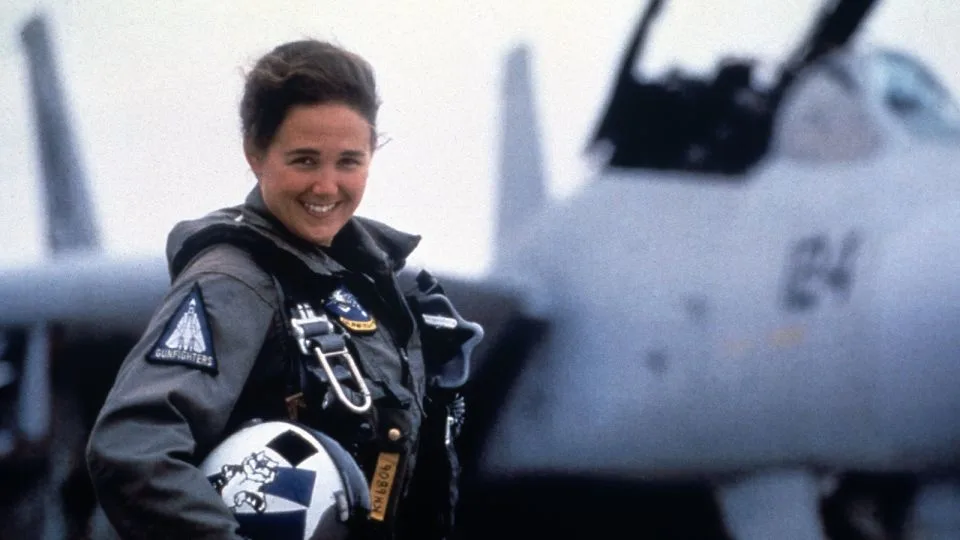
On that April day, her mission was tested like never before. With one engine gone and the fuselage damaged, the Boeing 737 was nearly uncontrollable. Yet Shults guided it to the ground, saving the lives of nearly everyone aboard.
Her story is not only one of skill, but of perseverance. She overcame rejection, prejudice, and doubt to become the pilot who could face catastrophe with unshakable calm.
Captain Tammie Jo Shults proved that true heroism is not loud or dramatic—it is quiet, steady, and unyielding.