Mary Vincent: The Survivor Who Forced a Nation to Confront Justice
- QuynhGiang
- December 7, 2025

Mary Vincent: The Survivor Who Forced a Nation to Confront Justice
In September 1978, fifteen-year-old Mary Vincent stood on a California roadside hoping for a safe ride home. When a middle-aged driver named Lawrence Singleton pulled over, she accepted the ride believing she had found help. Instead, she stepped into one of the most shocking crimes of the era—an attack that would ultimately reshape American law.
Singleton assaulted Mary with extreme brutality. Believing she might survive, he attempted to ensure she wouldn’t by severing her arms and leaving her in a remote culvert, assuming she would never be found. But Mary Vincent did something extraordinary: she refused to die in the place he left her.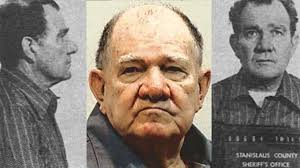
Barely conscious and gravely injured, Mary fought to keep herself alive. She managed to slow her bleeding, pull herself out of the ravine, and walk several miles along a rural road, determined to find help. A passing couple discovered her and rushed her to medical care, beginning what would become one of the most remarkable survival stories in modern American history.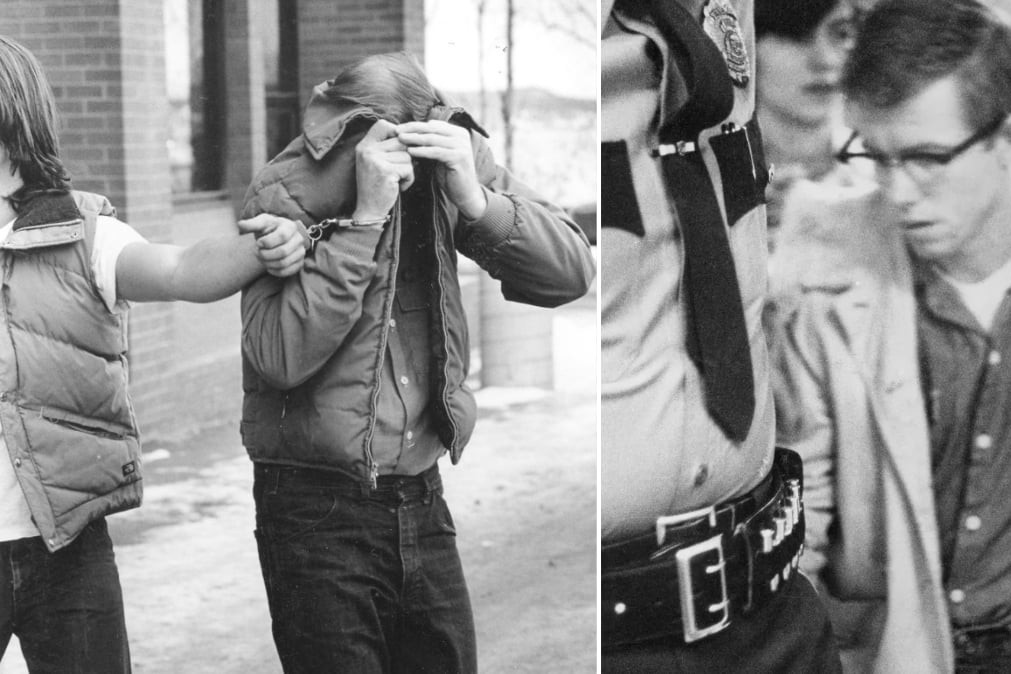
Her strength continued long after the attack. In the hospital, Mary provided a clear description of her assailant, enabling police to identify and arrest Singleton within days. He was convicted, yet under California law at the time, the maximum sentence he could receive was fourteen years. He served only eight. Nationwide outrage followed, with many arguing that the punishment was grossly inadequate for a crime of such severity.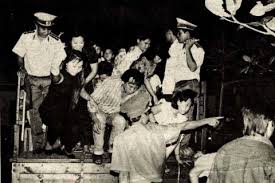
Tragically, public fears proved warranted. Nineteen years after his release, Singleton murdered another woman. The second crime ignited a new wave of outrage and spurred lawmakers to act. The result was the Singleton Bill, legislation that eliminated early release for offenders who commit crimes involving torture or similarly extreme violence.
Mary Vincent’s survival was only the beginning of her impact. Through her courage, her testimony, and her willingness to stand against the man who tried to destroy her, she helped spark legal reforms that protect future victims. She transformed personal tragedy into lasting change.
Mary’s story is not only one of unimaginable endurance—it is a reminder of how strength, even in the darkest moments, can alter the course of justice for generations to come.