A Veteran Sent Home to Die—Until an Unlikely Brotherhood Saved Him
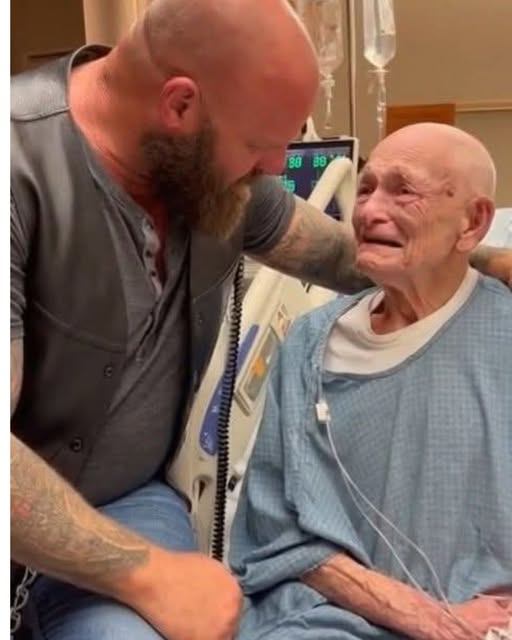
A Veteran Sent Home to Die—Until an Unlikely Brotherhood Saved Him
Thomas, an 82-year-old Vietnam veteran, had survived battles most people could never imagine. But decades after returning home, he found himself fighting a different kind of war—one against a healthcare system he couldn’t afford to lose to.
Living alone on a fixed income, Thomas’s world had grown small. When his heart began to fail, he was denied the critical surgery that could save his life. Insurance rejected the procedure. The hospital apologized, but without payment, their hands were tied. They began preparing his discharge papers, not for recovery, but for hospice care. Thomas packed his few belongings with trembling hands, facing the terrifying prospect of returning to an empty home to die.
He had no children to call. No immediate family. But he did have something he’d never thought of as a lifeline: the quiet loyalty of a local motorcycle club.
For twenty years, Thomas had been the neighborhood mechanic who kept to himself, fixing engines and offering his tools to bikers who needed them. He never took their money—just asked for a conversation, maybe a story. It was a small kindness he never expected to come back around.
But when “Gunner,” the club’s president, noticed Thomas’s garage had been closed for nearly a month, he started asking questions. What he found out shook him. The old man who had patched up their bikes for decades was lying in Room 304, being discharged because he couldn’t pay for the surgery that would keep him alive.
Gunner didn’t post online. He didn’t crowdsource. Instead, he called an emergency “church” meeting at the clubhouse. Within an hour, sixty bikers gathered. They emptied pockets, personal savings, and the club treasury. They filled a duffel bag with cash—enough to change the course of a life.
Marching into the hospital billing department, they refused to leave until a receipt was printed.
When Gunner stepped into Thomas’s room, he found the veteran clutching his discharge papers, tears streaking his face. The massive biker sat gently on the bed, placing a steady hand on the frail man’s shoulder.
“I don’t know how to thank you,” Thomas cried. “They were sending me home to die… and you boys just fixed it.”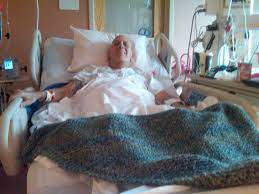
Gunner met his eyes and shook his head. “You didn’t leave your brothers behind in ’68, Thomas. And we don’t leave our friends behind now. You’re getting that surgery.”
Within the hour, doctors were prepping Thomas for the life-saving procedure. He wasn’t just rescued by money—he was rescued by a family he never knew he had.
And for the first time in weeks, he didn’t feel alone.