The Mysterious Object of Veracruz: An Ancient Enigma of Art and Symbolism
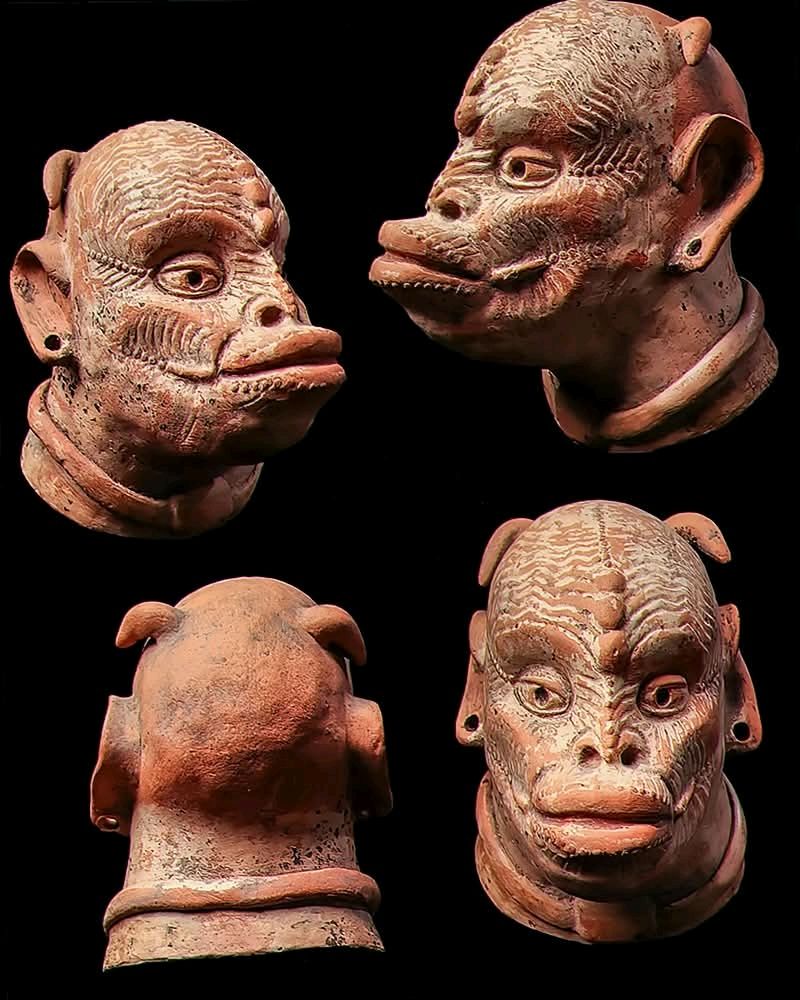
A mysterious object discovered in the Gulf of Veracruz has captured the imagination of archaeologists and historians alike. Originating from the period between 600 and 900 AD, the object is believed to have been created by the Totonac and Classic Veracruz civilizations—two cultures that once thrived in this region of ancient Mesoamerica. What makes this object so intriguing are its human-like characteristics, but with striking animalistic traits and pronounced lips that distinguish it from typical representations of the time. The intricate skin textures and mythical appearance suggest it may have been something far more significant than just a simple artifact.
Could this be a representation of a mythical creature, a ritualistic mask, or does it embody something even more enigmatic—something that connects the ancient Totonac or Veracruz peoples to deeper spiritual or cultural beliefs? The level of artistic detail in the object indicates it had great symbolic importance, and the mystery surrounding its purpose continues to spark debate among modern-day scholars.
A Human-Animal Hybrid: Symbolism or Ritual?
At first glance, the object’s human-like features—such as its face shape—might suggest it is a representation of a figure or deity. However, the pronounced lips, animalistic features, and the intricate skin textures point to something far more symbolic. The animal traits could hint at shamanistic beliefs, as many ancient Mesoamerican cultures, including the Totonac and Classic Veracruz, incorporated animal symbolism into their rituals and deities. Perhaps this object represents a hybrid—a human-animal entity that was revered or feared as part of a mythological narrative.
This object could have served as a ritual mask, used in ceremonial rites to invoke the power of a mythical being or as a representation of the spiritual connection between humans and animals. The animalistic features might symbolize the strength, power, or qualities of the creature it represents—traits that the ancient people might have wanted to channel during their spiritual practices.
Alternatively, the object could be a representation of a mythical creature from the Totonac or Veracruz pantheon. Mesoamerican cultures were rich in mythology, with gods and spirits often depicted in forms that blended human and animal characteristics. The object might have been an artistic expression of one of these mythical beings, created to represent the supernatural powers or forces that governed the natural world.
The Artistry Behind the Object: Importance and Meaning
The artistic craftsmanship of the object is another key element that hints at its significance. The intricacy with which the skin textures and features were molded suggests that it was not just an ordinary artifact. The fine detailing implies it was a symbol of cultural or religious importance, perhaps used in rituals or ceremonies tied to the gods, the ancestors, or the forces of nature. The object may have been used to invoke power, protection, or to honor spirits, indicating that it was central to the Totonac or Veracruz people’s religious practices.
The fact that this object was found in the Gulf of Veracruz, a region rich with archaeological sites, further emphasizes its likely cultural relevance. Its discovery suggests that the people of Veracruz—known for their advanced artistry and complex society—valued the object enough to preserve it over the centuries, ensuring it would survive to tell its story today.
The Enduring Mystery: What Does It Symbolize?
Despite the growing theories and research surrounding the object, its true purpose and meaning remain elusive. Could it be a representation of a god, an ancestor, or a spiritual intermediary? Could it serve as a symbol of the ancient connection between humanity and the animal world? The mystery only deepens as more is learned about the Totonac and Classic Veracruz civilizations, and the object continues to raise profound questions about the mythologies, beliefs, and rituals that shaped their cultures.
The mysterious object from the Gulf of Veracruz may very well hold the key to unlocking a forgotten chapter of Mesoamerican history. As further analysis is conducted, the world may one day learn exactly what this human-animal hybrid represents and the significance it held for the Totonac and Veracruz peoples. Until then, it stands as a testament to the mysteries of the past—a relic of a time when myth and reality intertwined in fascinating ways.