War and the Quiet Destruction of Humanity
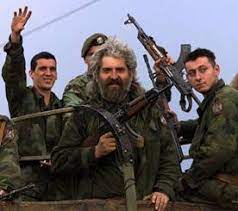
Historical records from World War II remind us that war is not only a clash between armies, but a profound human tragedy that affects entire societies. In regions drawn into violent conflict, the boundary between humanity and brutality often disappeared, leaving lasting scars on communities and collective memory.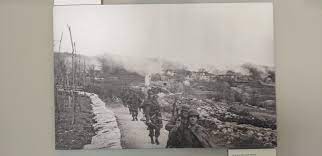
Some military reports from that period indicate that in parts of the Balkans, violence went far beyond conventional military objectives. Civilian populations were devastated, villages were erased, and social life collapsed under the weight of fear and destruction. What remained was not victory, but silence, loss, and deep moral damage.
War takes more than lives. It strips people of dignity, stability, and a sense of future. Those who survive are left to carry grief, displacement, and emotional emptiness, as familiar homes and relationships vanish. From such loss, resentment and despair often grow, fueling cycles of violence that extend far beyond the battlefield.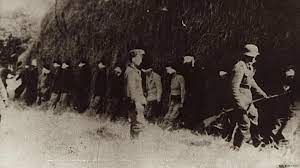
Witnesses of the time warned that failing to confront such cruelty would stain not only those who committed the acts, but also those who allowed them to continue. Silence, they argued, becomes a form of responsibility when injustice is ignored.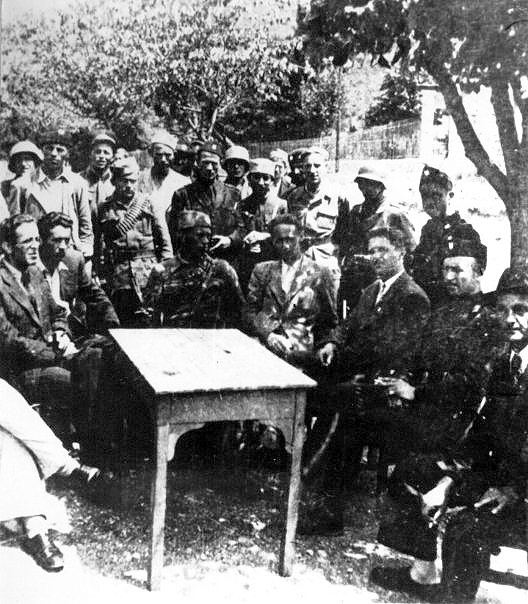
These reflections serve as a reminder that war, regardless of the causes claimed in its name, ultimately represents a failure of humanity. Only by placing the value of life, compassion, and moral responsibility above power and hatred can such tragedies be prevented from repeating themselves.