Kirk Cameron was sixteen when he stood behind a studio wall
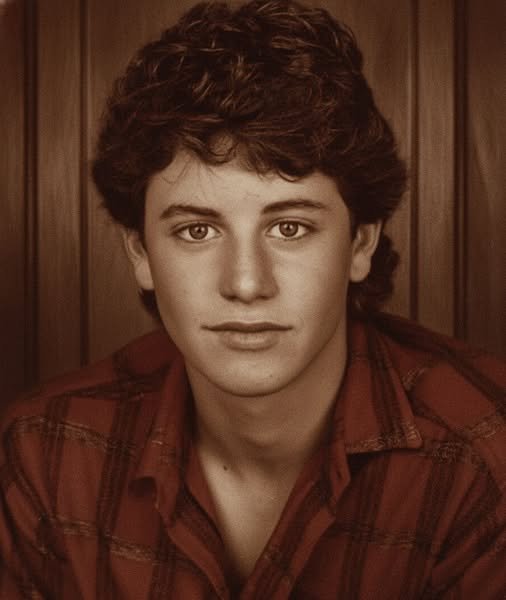
Kirk Cameron was sixteen when he stood behind a studio wall and listened to TV executives talk about him as if he were not even there. One said he was just a cute trend. Another argued he could become a real star. Kirk heard every word. Instead of feeling crushed, he walked back onto the Growing Pains set with a new goal. He wanted to show everyone that he was not temporary. He was determined to last.
Kirk had not planned for fame. He was a kid from Panorama City who auditioned because it sounded fun. Suddenly, he became the face of one of ABCs most popular sitcoms. His fan mail grew so fast that rooms had to be used just to store it. Security guards walked him through crowded malls. Teen magazines called him the heartthrob everyone adored. But behind all the attention, Kirk felt a strange emptiness. The fame grew quickly, but his inner life felt slow and uncertain.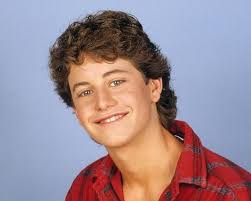
By the time he turned seventeen, he was asking himself questions most actors do not face until much later. What did Hollywood want from him? What did he want from himself? Was he shaping Mike Seaver, or was Mike Seaver shaping him? Kirk grew up in a secular family, but now he was quietly searching for something deeper. Conversations on set led to late night reading and private journaling. Little by little, he felt pulled toward faith and toward a clearer sense of who he wanted to be.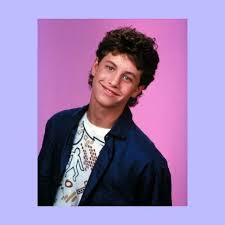
When he embraced Christianity, everything changed. He asked the writers to remove jokes he felt did not match his values. He turned down scenes that he believed disrespected faith or family. Some writers became annoyed. Some cast members were puzzled. The media said he was difficult. Kirk did not back down. He believed that staying true to what he believed was more important than being liked. Fame, he said, was never a good reason to betray your beliefs.
After Growing Pains ended, many people thought his career would disappear. Instead, he changed direction on purpose. He refused roles that conflicted with his principles and chose projects that reflected his worldview. When he acted in Left Behind and later in Fireproof, critics laughed at the idea that faith based movies could succeed. Fireproof surprised everyone by becoming the top earning independent film of 2008, made with only a small budget.
Fireproof surprised everyone by becoming the top earning independent film of 2008, made with only a small budget.Outside of acting, Kirk built a second life focused on teaching and outreach. He helped start The Way of the Master, trained speakers, created documentaries, and visited prisons, shelters, and churches across the country. He did not try to act like a distant celebrity. He wanted to be someone who showed up, listened, and worked face to face with people who needed support.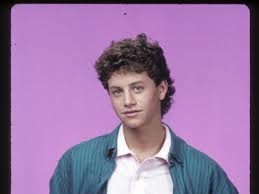
People have debated his choices for years. They still do. Kirk has never tried to avoid controversy. He believes that honesty brings challenge, and challenge brings growth. At home, he raised a large family with the same purpose that guided his career. He learned to measure success not by applause but by staying true to what he believes.
Kirk Cameron did not follow the path Hollywood planned for him. He built his own path, step by step, holding onto the belief that your identity means nothing unless it can stand strong under pressure.