A Medical Miracle Beneath the Ice
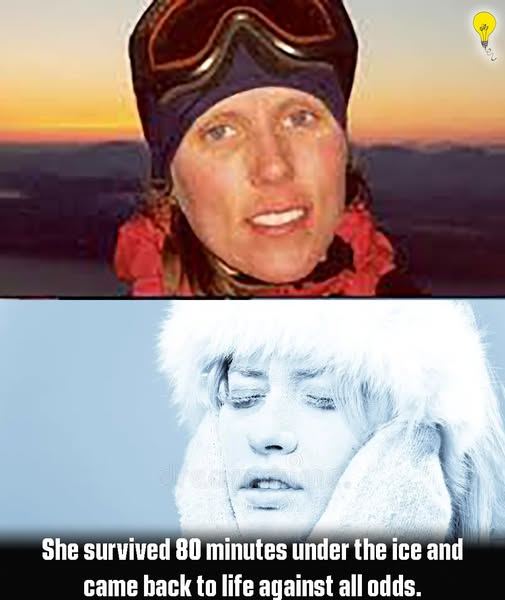
A Medical Miracle Beneath the Ice
In the winter of 1999, Swedish physician and competitive skier Anna Bågenholm experienced an accident that would later be described as one of the most remarkable survival stories in medical history. While skiing in northern Norway, she slipped on ice and fell headfirst into a frozen stream, becoming trapped beneath the surface.
For approximately 80 minutes, Bågenholm remained submerged under the ice, unable to free herself. In the freezing darkness, her body temperature steadily dropped to levels believed to be incompatible with human life. By the time rescuers reached her, she showed no signs of consciousness, her skin had turned gray, and her heart had stopped.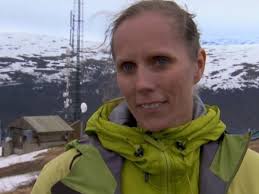
When she arrived at Tromsø University Hospital, doctors measured her core body temperature at just 13.7 degrees Celsius — the lowest ever recorded in a surviving human at the time. Despite the grim outlook, the medical team made the critical decision not to declare her dead.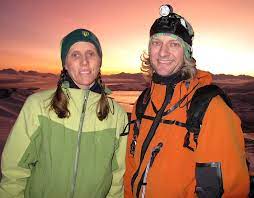
Instead, physicians placed Bågenholm on a heart-lung bypass machine and began the delicate process of rewarming her body slowly and carefully. The effort required patience, precision, and a willingness to challenge long-held assumptions about the limits of human survival.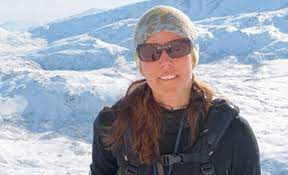
After nearly four hours, the impossible happened. Her heart began to beat again — first faintly, then with increasing strength. Over time, she regained consciousness, and remarkably, she suffered no permanent brain damage.
Bågenholm went on to make a full recovery. Years later, she returned to Tromsø University Hospital, not as a patient, but as a radiologist working in the very institution that saved her life.
Her survival reshaped medical understanding of hypothermia and resuscitation, and her case is now taught worldwide. More than two decades later, Anna Bågenholm’s story stands as a testament to medical innovation, teamwork, and the extraordinary resilience of the human body.