The Man Who Refused to Let Dying Children Be Alone
- QuynhGiang
- December 16, 2025

The Man Who Refused to Let Dying Children Be Alone
When a child is nearing the end of life, many people instinctively turn away. Mohamed Bzeek does the opposite. He moves closer, sits at the bedside, and holds the child until their final breath.
Bzeek’s journey began in Los Angeles in the 1990s, when he and his wife, Dawn, decided to become foster parents. Like many others, they initially welcomed children who had been abandoned, mistreated, or left without family support. But everything changed with a single phone call from the foster care system.
A newborn was dying, and no one was willing to take him in. The child was described as a “hopeless case.” Mohamed and Dawn said yes.
That decision shaped the rest of their lives. From then on, they dedicated their home to terminally ill children—many with only weeks or months to live. These were children the system often reduced to medical charts and case numbers. In the Bzeek household, they were given names, affection, and dignity.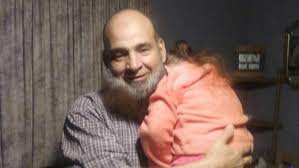
When Dawn passed away in 2015, many assumed Mohamed would stop. The emotional burden seemed unbearable, especially alone. But he continued. In a modest home in Azusa, California, a medical bed always stands ready, lit by a soft glow through the night.
“You cannot change destiny,” Bzeek has said. “But you can change how a child lives their destiny.”
Over the years, he has cared for dozens of children with severe and terminal conditions. Some could not speak. Others could not see. Many depended on machines to breathe. All had been abandoned, and all were deeply vulnerable.
Mohamed did what he believed mattered most. He held them. He sang to them. He stroked their hair. He called them “son” and “daughter.” His mission was never to save their lives, but to ensure they did not die alone.
When Leila, a little girl he cared for over seven years, died in his arms, he remained by her side for hours. “You don’t abandon a child,” he said.
Los Angeles County has recognized Bzeek as one of the few foster parents willing to take the most critical cases. Doctors and social workers often refer to him as “the man who loves the children nobody wants.”
In a world that measures worth through achievement and strength, Mohamed Bzeek offers a different standard. He shows that the value of a life is revealed in how we care for those who can give us nothing in return—not even tomorrow.
His home is not a hospice. It is a sanctuary, where the most fragile children are treated as precious human beings, loved until their final moment.
When asked how he endures so much loss, his answer is always the same: “It’s not sorrow if it’s love.”
His story is not meant to make people cry. It is meant to remind us of what a human being can become when they choose to belong to others.