The Volunteer Who Became the Grandfather of the ICU
The Volunteer Who Became the Grandfather of the ICU
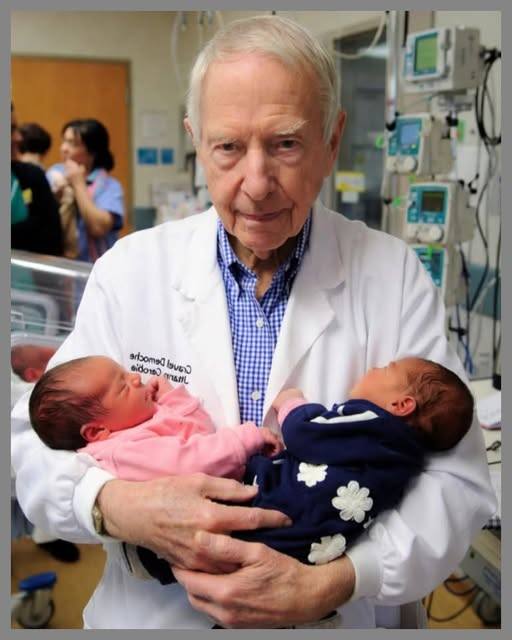
At Grady Memorial Children’s Hospital, in a softly lit intensive care unit scented with disinfectant, an elderly man arrived every morning wearing a white volunteer’s coat. He carried a small notebook and a thermos of tea. His name was David Deutchman, and at 82 years old, he was known to staff as the “grandfather of the ICU.”
David was neither a doctor nor a nurse. He had no child or grandchild being treated at the hospital. He came for one reason alone: to hold the babies no one else could hold.
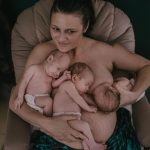
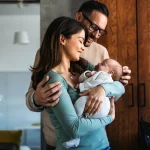
They were premature infants, orphans, and newborns whose parents were undergoing medical treatment themselves. Some of these babies could go days or even weeks without being held. David gently cradled them against his chest, humming softly, whispering words, and telling stories without beginnings or endings. He often spoke quietly to them, reminding them they were loved.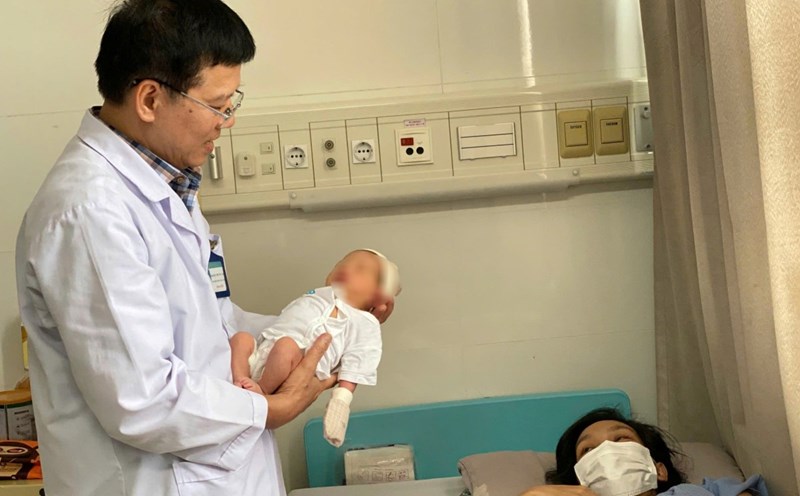
David began volunteering after retiring. One afternoon, while waiting for his own medical appointment, he noticed a young woman crying alone in the waiting room. He sat beside her and listened without judgment. Before leaving, she told him, “I wish there were more people like you in this place.”
He returned the next day. And the day after that. He continued coming for fourteen years.
He was never paid. He never missed a shift. He never asked for recognition. “I just want them to feel that someone is waiting for them in this world,” he once said.
Nurses adored him, and parents—initially hesitant—soon trusted him with the most fragile lives imaginable. One mother of a critically ill infant told him that her daughter breathed more calmly in his arms, that he gave her something she could not.
David never replied with words. He replied with presence.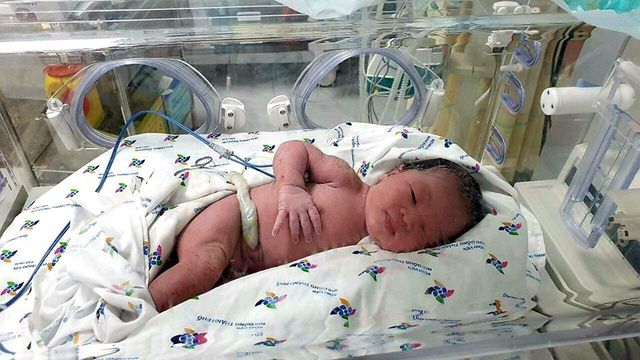
In 2020, he was diagnosed with advanced pancreatic cancer. The hospital community surrounded him with letters, drawings, and songs. A longtime nurse returned his worn white coat to him and said, “This isn’t just clothing. You taught us that human touch is a form of medicine.”
David Deutchman passed away surrounded by his family and hundreds of messages from parents he had never met but deeply touched.
Today, a chair bearing his name sits in the neonatal wing. A plaque nearby reads: “Here sat a man who understood that a simple hug can heal what science cannot yet reach.”
The volunteers who continue his work call themselves “David’s Arms.” Each one holds a baby. Each one sings softly. Each one remembers that touch is its own language.
David never held a scalpel or wore a surgeon’s coat, but he saved hearts long before they learned how to beat on their own.