At fifteen, they decided she was “uncontrollable.”
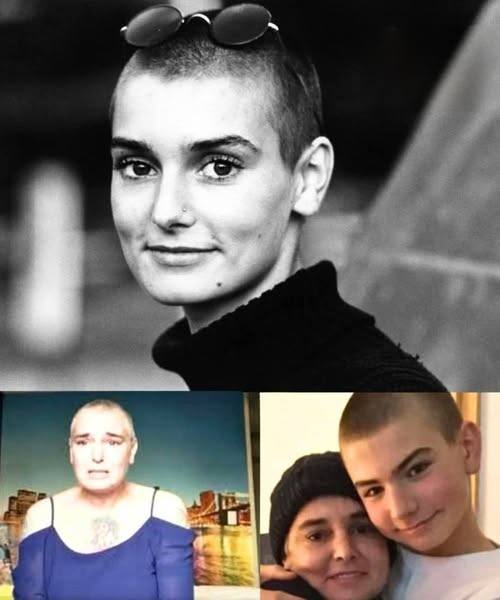
At fifteen, they decided she was “uncontrollable.”
Her parents, in the midst of a painful separation, found a rare point of agreement: to remove her. And so Sinéad O’Connor was sent to a home for “troubled” girls, run by Irish Catholic nuns. A place meant to “correct” her. A place that instead broke her.
Being confined at the An Grianán training center in Dublin was not just a difficult chapter of adolescence. It was a formative wound. A trauma that carved itself deep inside her and, over time, transformed into the untamable force that would define her entire life and art.
Even before that, there was a childhood marked by violence. Sinéad spoke many times of an aggressive, unstable mother, capable of inflicting physical and emotional pain. She said the abuse surfaced especially when her father was not at home. When her parents separated, custody went to her father—but the damage was already profound. Institutionalization only reinforced one certainty: authority was not protection. It was danger.
From that was born her absolute refusal to bow her head.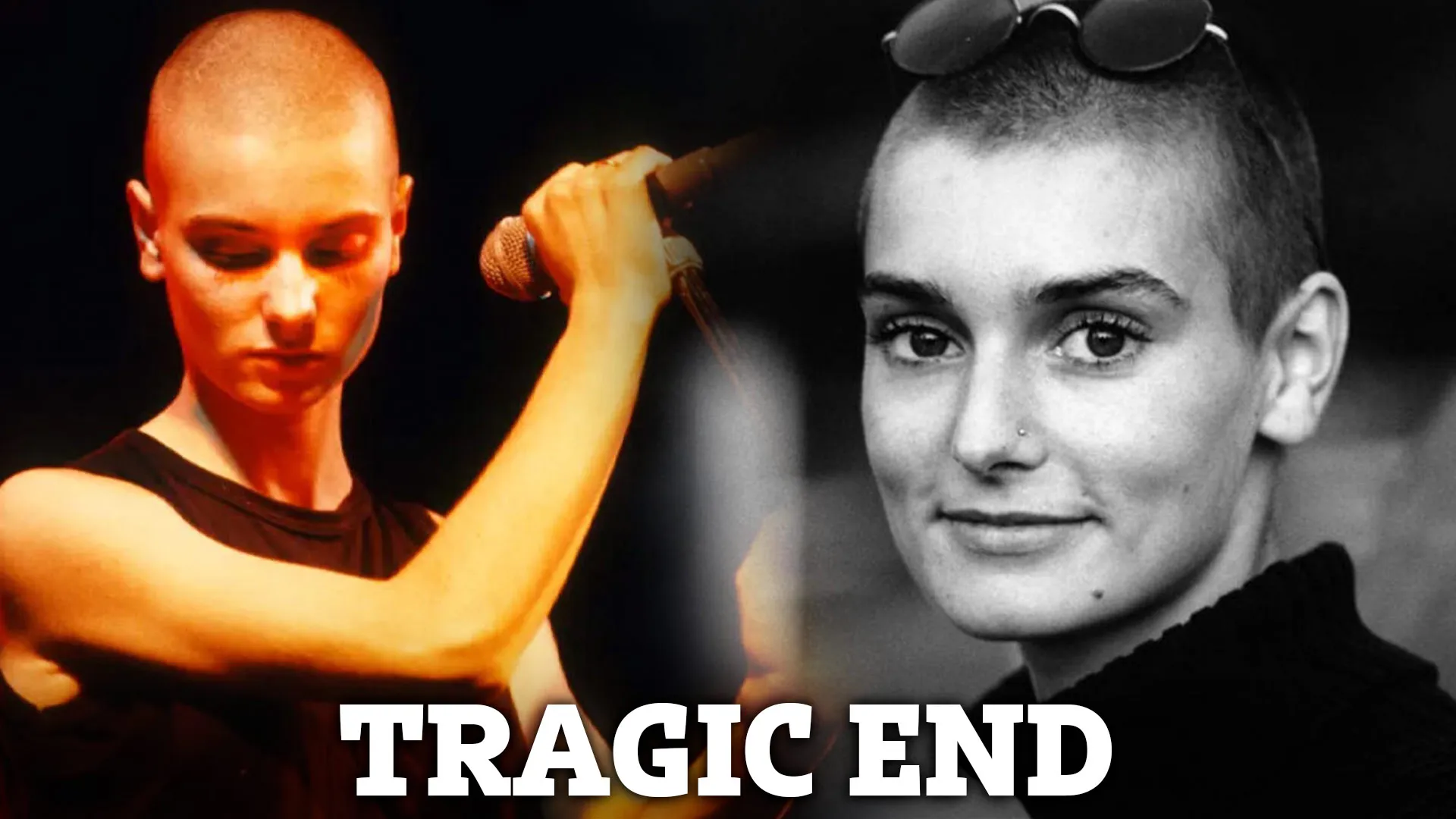
Her personal life was harsh terrain, shaped by trauma and abuse, recounted without filters in her 2021 autobiography, Rememberings. Brutal, honest pages, crossed by a truth that asked for no pity. A violent mother. A broken adolescence. A suffering never tamed.
Her music carried those scars. Urgent. Non-negotiable.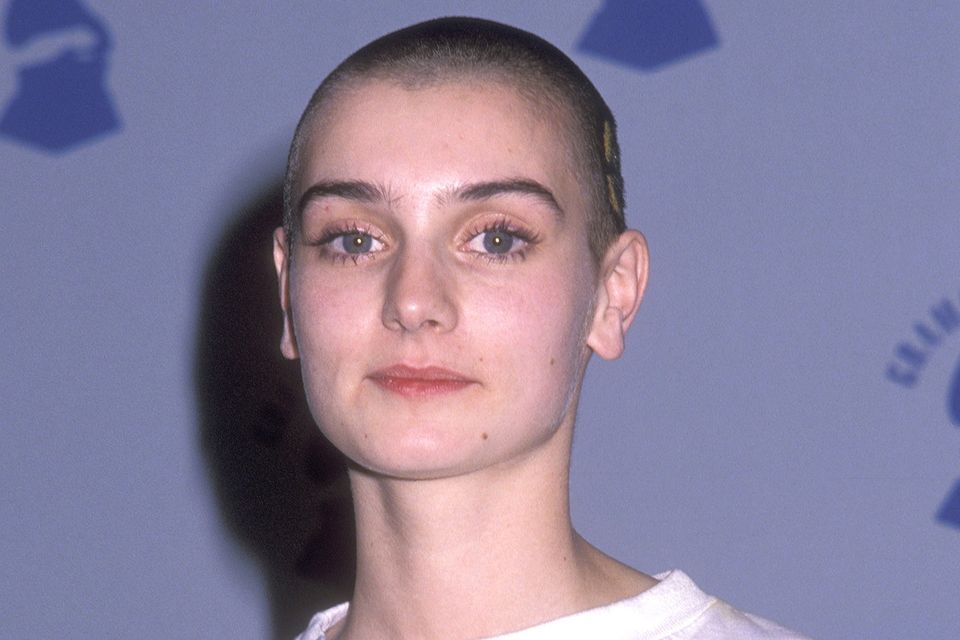
When she released The Lion and the Cobra in 1987, with songs like Mandinka and Troy, it was immediately clear that a new and dangerous voice had arrived. In an era dominated by polished pop, Sinéad brought rage, spirituality, pain, and truth. She was uncomfortable. And she knew it.
Global success came in 1990 with I Do Not Want What I Haven’t Got. Nothing Compares 2 U made her immortal. Though written by Prince, the song became hers. Her stripped-down, vulnerable, almost unbearable rendition was definitive. Millions of people watched a woman cry without defenses—and never forgot her.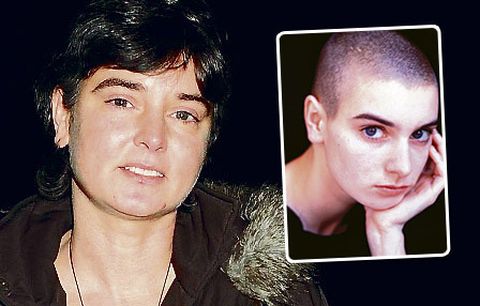
But Sinéad never wanted to be tamed by success. She refused the Grammys. Distrusted approval. Remained a foreign body within the industry. A David who never wanted to become Goliath.
The pain she carried exploded in the gesture that changed her career forever.
On October 3, 1992, live on Saturday Night Live, she tore up a photo of Pope John Paul II. It was not empty provocation. It was an accusation. A cry against the abuse of children and the silence of religious institutions.
In an instant, Sinéad became an outcast.
She was labeled “crazy,” “unstable,” “ungrateful.” Her career was nearly destroyed. She later said that for ten years it was considered acceptable to treat her badly, to punish her, to humiliate her—all for having spoken a truth that was too uncomfortable.
And yet she never regretted it.
In time, she understood that the collapse had been a liberation. Success had felt like a mistake. Exile brought her back to herself. It allowed her to be what she had always been: a protest singer, a necessary voice, a speaking wound.
In the years that followed, her struggle with mental illness became public and painful. Her final album, I’m Not Bossy, I’m the Boss (2014), contained a prayer for rebirth:
“I don’t want to be that girl anymore. I don’t want to cry anymore. I don’t want to ever die again.”
But the darkness never stopped returning.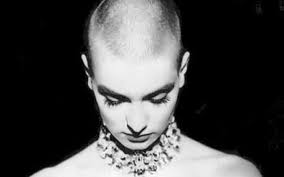
In 2015 she posted alarming messages. In 2017 she appeared in a video filmed in a hotel room, speaking of loneliness, stigma, despair. And then came the cruelest blow: in 2022 her son Shane, just seventeen, took his own life. A pain she never truly recovered from.
Sinéad O’Connor died on July 26, 2023, at the age of 56, in her home in south London. The official cause was listed as natural, related to aggravated respiratory issues. But those who truly listened to her know that her life was a long battle to remain in the light.
Her legacy is not only a voice that sold millions of records.
It is the courage not to stay silent.
It is the ferocity with which she defended those without a voice.
It is the dignity of choosing truth, even when it cost everything.
Sinéad O’Connor was a rebel.
A wounded mother.
A soul that never stopped searching for light within the darkness.
An angel with a broken voice.
Now singing elsewhere, finally free of her chains.