Otto Frank: The Man Who Carried Anne Frank’s Voice to the World
- QuynhGiang
- December 22, 2025
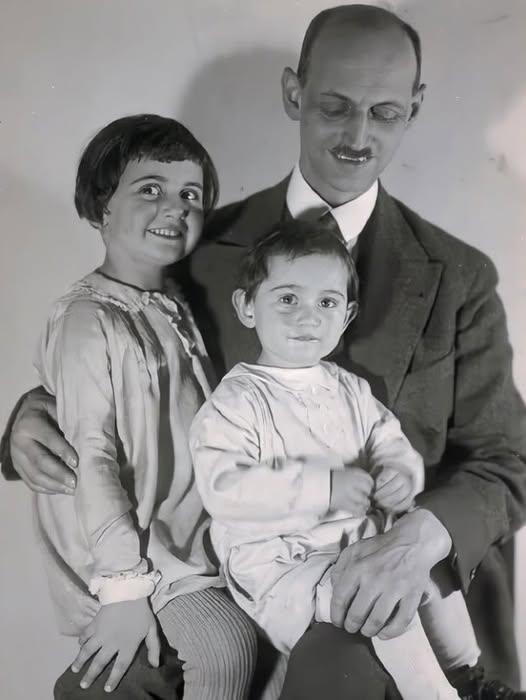
Otto Frank: The Man Who Carried Anne Frank’s Voice to the World
Otto Frank outlived everyone he loved and spent the rest of his life carrying their voices. He died on this day in 1980 at the age of 91, after a long battle with lung cancer. He was the only one of the eight people who hid in the Secret Annex during World War II to survive the Holocaust.
When Auschwitz was liberated in January 1945, Otto began the long journey back to Amsterdam. Along the way, he learned that his wife, Edith Frank, had died in Birkenau. Despite the devastation, he clung to a fragile hope that his daughters, Anne and Margot, might still be alive.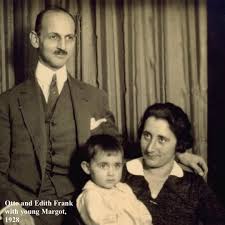
That hope was eventually shattered. Both girls had died in Bergen-Belsen.
Upon returning to Amsterdam, Otto was given Anne’s diaries by Miep Gies, one of the helpers who had protected the family in hiding. The notebooks contained the voice of a child who never came home, preserved when everything else had been taken.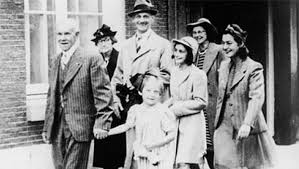
Rather than retreat into grief, Otto transformed his loss into purpose. In 1953, he remarried Elfriede Geiringer and later settled in Basel, Switzerland. From there, he answered thousands of letters from readers around the world who had been moved by Anne’s words.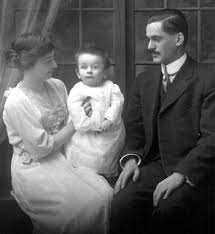
Otto listened patiently and replied with humility, understanding that Anne’s diary had become more than a personal document. In 1960, the Anne Frank House opened as a museum, with Otto deeply involved in its mission.
He dedicated the rest of his life to promoting human rights, reconciliation, and dignity, determined that Anne’s story would serve as a warning against hatred rather than fuel for it.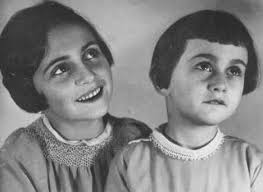
Otto Frank did not choose this mission. It was placed in his hands by loss, and he carried it quietly and faithfully until the end of his life.