A Transplant That Changed More Than a Life: The Unexplained Case of Claire Sylvia
- QuynhGiang
- December 24, 2025
A Transplant That Changed More Than a Life: The Unexplained Case of Claire Sylvia
In May 1988, Claire Sylvia was dying. At 47, the professional dancer was suffering from primary pulmonary hypertension, a rare condition that had placed unbearable strain on her heart and lungs. Doctors told her she had only weeks, possibly days, to live.
Then came an extraordinary call from Yale–New Haven Hospital. A donor heart and lungs were available, and Sylvia would become the first person in New England to receive a combined heart-lung transplant. The surgery lasted three hours and saved her life.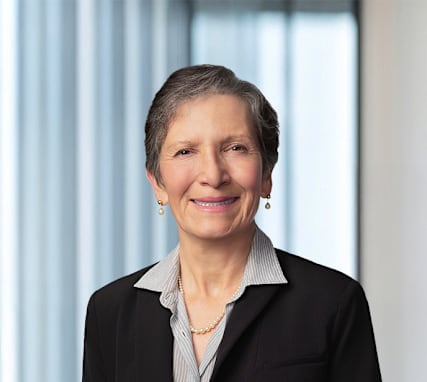
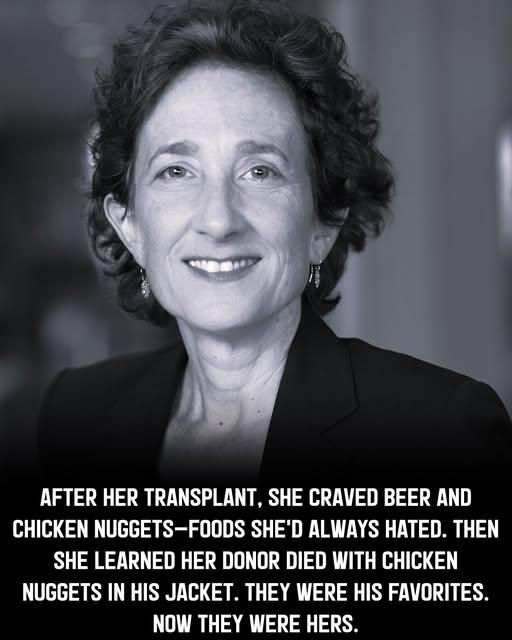
When she awoke, a reporter asked what she wanted most. Sylvia surprised herself by answering that she wanted a beer. She had never liked beer. In the days that followed, more changes emerged.
She developed intense cravings for chicken nuggets and green peppers, foods she had previously disliked. Her daughter noticed her walking style had changed, becoming heavier and more masculine. Sylvia felt unusually energetic and restless, eventually backpacking through Europe at an age and with a body that once would not have allowed it.
She also began having vivid recurring dreams of a young man with sandy hair and the initials T.L. In one dream, she felt him merge into her body. Sylvia became convinced he was her donor, though transplant protocols kept donor identities confidential.
Nine months later, she and a friend independently dreamed of the same name. Searching public records, they discovered Timothy Lamirande, an 18-year-old from Maine who had died in a motorcycle accident the day before Sylvia’s transplant.
When Sylvia later met Lamirande’s family, they were stunned by her movements and energy, which reminded them of Timothy. As they spoke, striking similarities emerged. Timothy had been hyperactive, loved beer, favored chicken nuggets and green peppers, and had been carrying chicken nuggets when he died.
Over the next decade, Sylvia researched similar cases among transplant recipients and found others who reported unexpected changes in behavior, preferences, and dreams. In 1997, she published her memoir, A Change of Heart.
The medical community remains divided. Some doctors attribute the experiences to coincidence or psychology. Others acknowledge that the phenomenon raises questions science has yet to fully answer.
Sylvia’s case continues to challenge assumptions about memory, identity, and what the human heart may carry beyond life itself.