After Losing Twin Boys and Nearly Giving Up on Motherhood, Marjorie Found the Family She Once Feared She’d Never Have
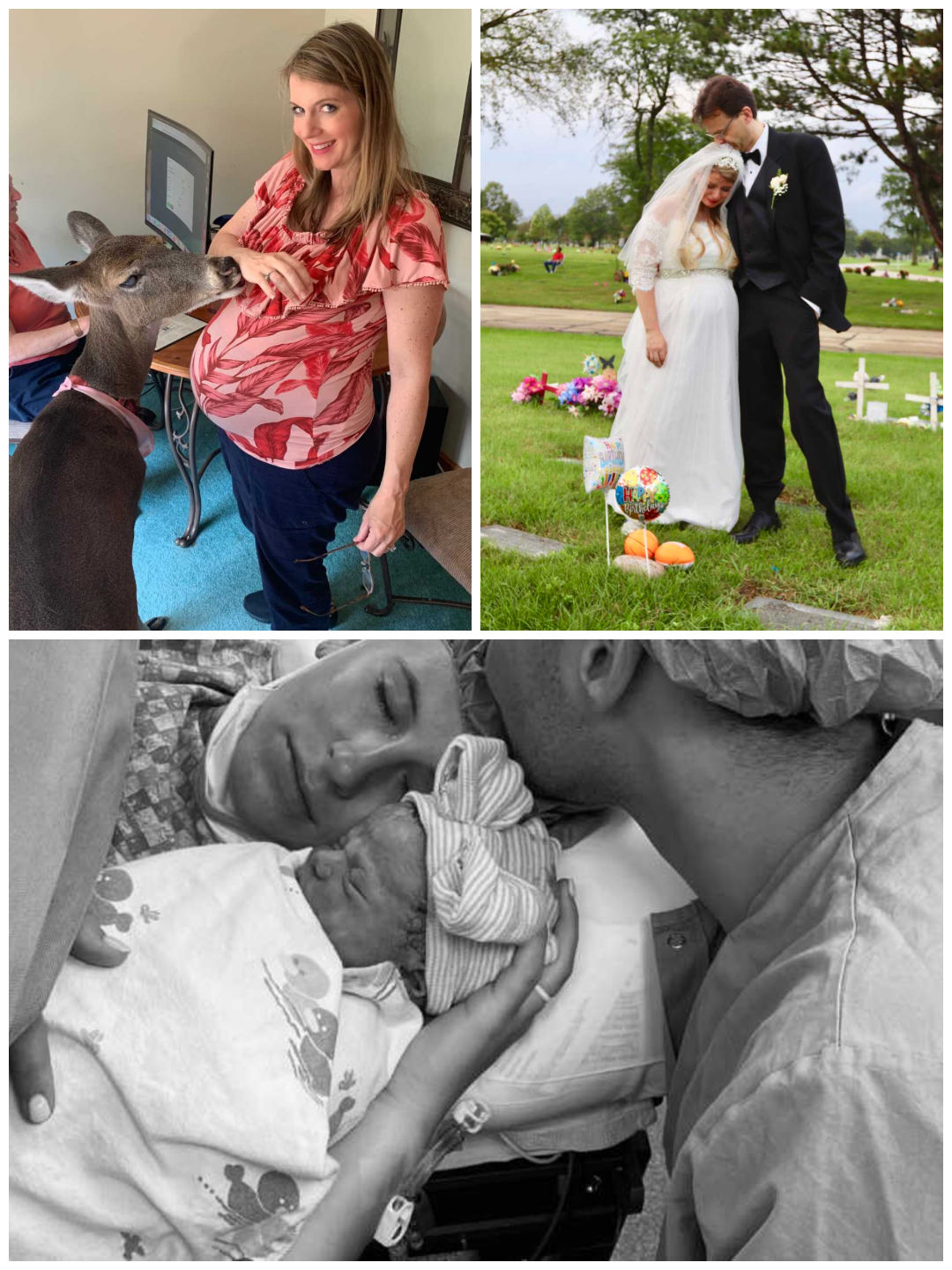
At 44, Marjorie Jean Geraci sat in a dark ultrasound room watching her baby move across the screen.
The technician suddenly became quiet.
Marjorie noticed something herself before the doctor said anything: increased thickness behind the baby’s neck, a possible marker for Down syndrome.
When the diagnosis was confirmed, fear took over.
She had already endured years of pregnancy loss, buried twin sons and watched a marriage collapse beneath the weight of grief. She had spent years trying to reduce the risks of becoming a mother later in life.
Now another pregnancy was bringing uncertainty.
What Marjorie could not know in that moment was that the little girl she feared for would eventually become one of the greatest sources of joy in her life.
Her name would be Grace Joy.
And she would completely change the way her mother understood Down syndrome.
Motherhood Had Already Cost Her More Than She Expected
Marjorie’s path toward becoming a parent began years earlier.
She married for the first time at 29 after dating her partner for about nine months. She hoped they would start a family while they were still relatively young.
Over time, however, she realized her husband did not share the same urgency about having children.
Their disagreements became increasingly difficult, and after seven years the marriage ended.
Marjorie was 36.
Knowing her fertility window was narrowing, she had already frozen her eggs, hoping to preserve another path toward motherhood.
About a year and a half later, she married again.
At 37, she and her new husband began trying almost immediately.
Five months later, Marjorie saw the positive pregnancy test she had waited years to see.
She began imagining everything that might follow: first steps, birthdays, bedtime cuddles and the ordinary moments that make up childhood.
Then an ultrasound revealed there was no heartbeat.
She miscarried.
A few months later, Marjorie became pregnant again.
Again, there was no heartbeat.
She underwent another D&C.
After two losses, the couple decided to try naturally one final time before using the eggs she had frozen.
The third pregnancy brought astonishing news.
There were two heartbeats.
Marjorie was carrying twin boys.
She Had to Say Goodbye at Around 20 Weeks
The twins gave Marjorie renewed hope after two miscarriages, but the pregnancy ended far too early.
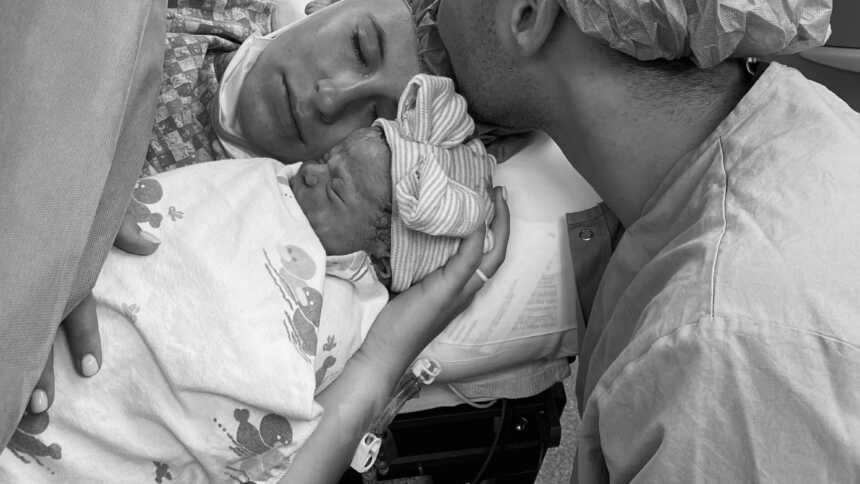
Her water broke, and she delivered the boys at around 20 weeks.
Marjorie was able to hold them.
Years later, she could still remember kissing their tiny cheeks before saying goodbye.
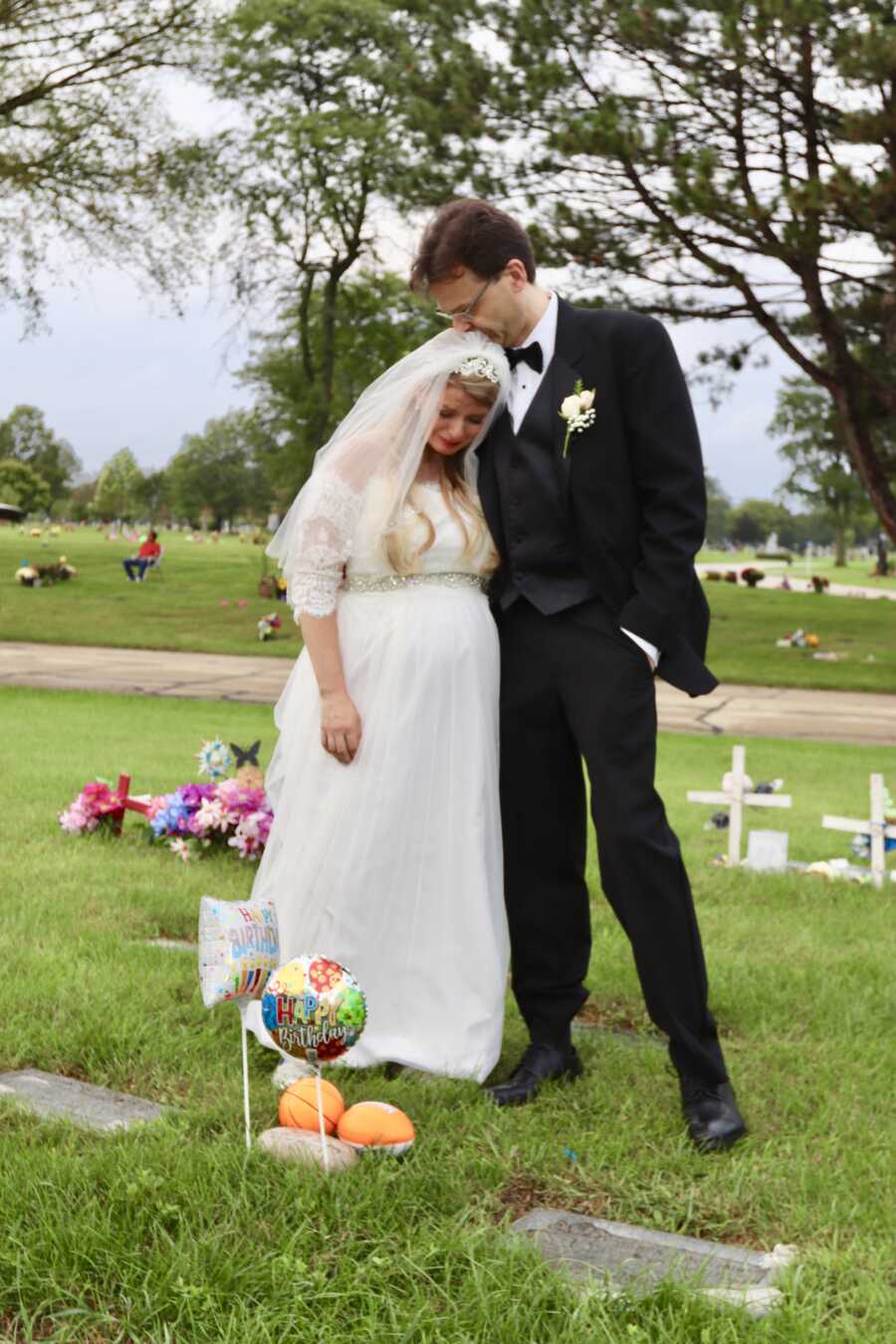
On October 1, surrounded by relatives under pouring rain, she attended their burial.
As rain struck the umbrellas around her, Marjorie watched dirt cover her babies’ casket.
The loss changed her.
Seeing other families with children became painful. She struggled to connect with people who had never experienced a similar loss and often felt that others could not understand the depth of her grief because they had never known her sons.
To them, the twins had existed only briefly.
To Marjorie, they were her children.
She found greater understanding among strangers online who had experienced pregnancy and infant loss themselves.
Meanwhile, her marriage deteriorated.
Her husband eventually decided he no longer wanted to continue trying for children.
About a year after losing the twins, the couple divorced.
Marjorie was left grieving not only her babies, but the future she thought she had been building.

A Familiar Face Helped Her Imagine Life Again
Eventually, Marjorie began searching for stories about people who had found purpose after devastating loss.
She created a vision board, initially almost as an experiment.
On it were dreams she had not completely abandoned—including visiting Paris and building a family.
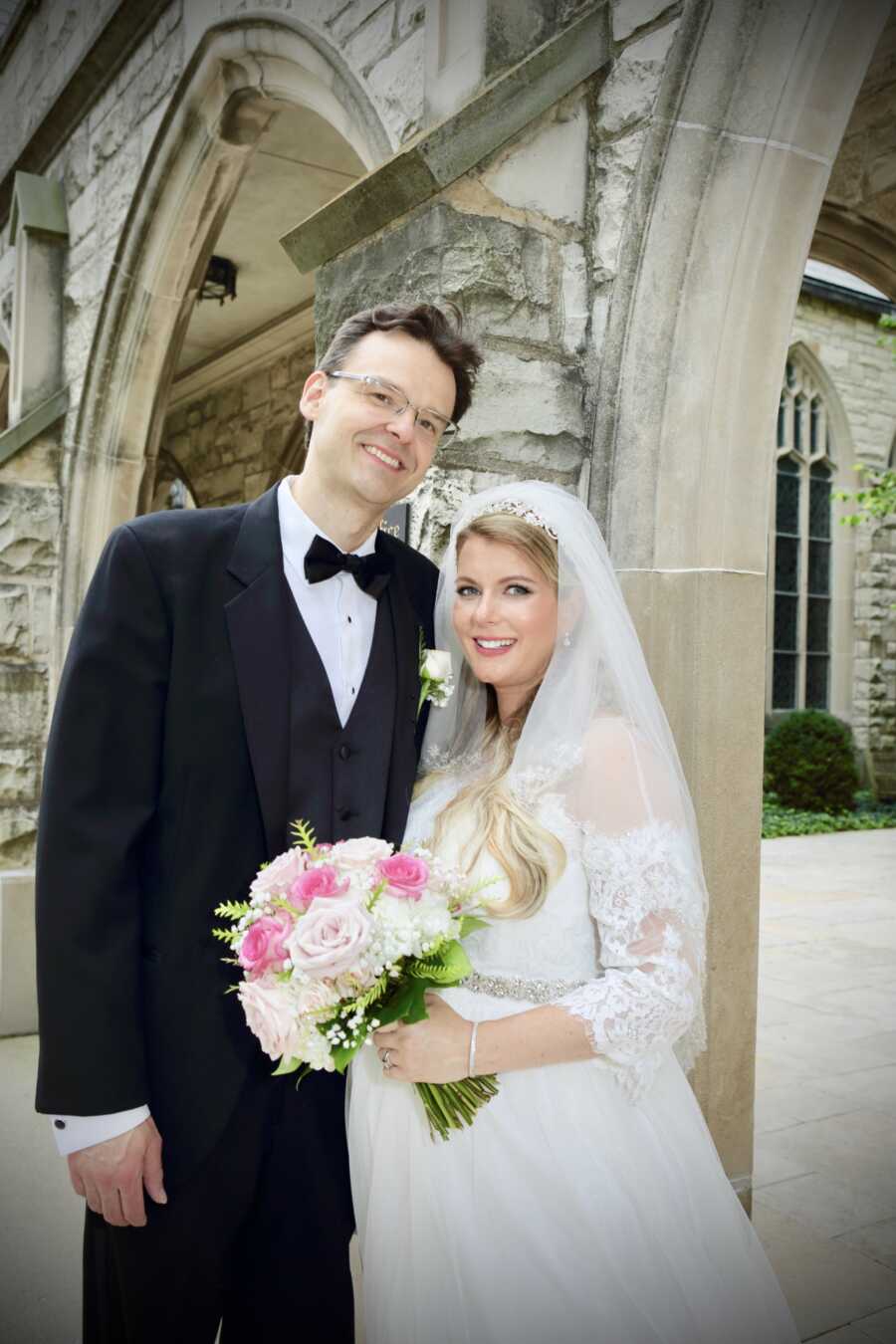
Around that time, she began spending more time with Andy, her brother’s best friend, whom she had known since high school.
Their friendship became something deeper.
Andy understood that Marjorie’s twins would always remain part of her life. He never treated grief as something she needed to leave behind before moving forward.
About a year into their relationship, the couple traveled to Paris.
With the Eiffel Tower nearby, Andy proposed.
He also brought two children from a previous relationship into Marjorie’s life, making her a bonus mother before she had another biological child.
When they married, Andy found meaningful ways to honor the twins.
Two sapphires representing their birthstone were added to Marjorie’s wedding ring. The couple also held their wedding reception on the third anniversary of the twins’ birth, intentionally creating a joyful memory on a date that had previously carried almost unbearable sadness.

At 42, Her Rainbow Baby Arrived
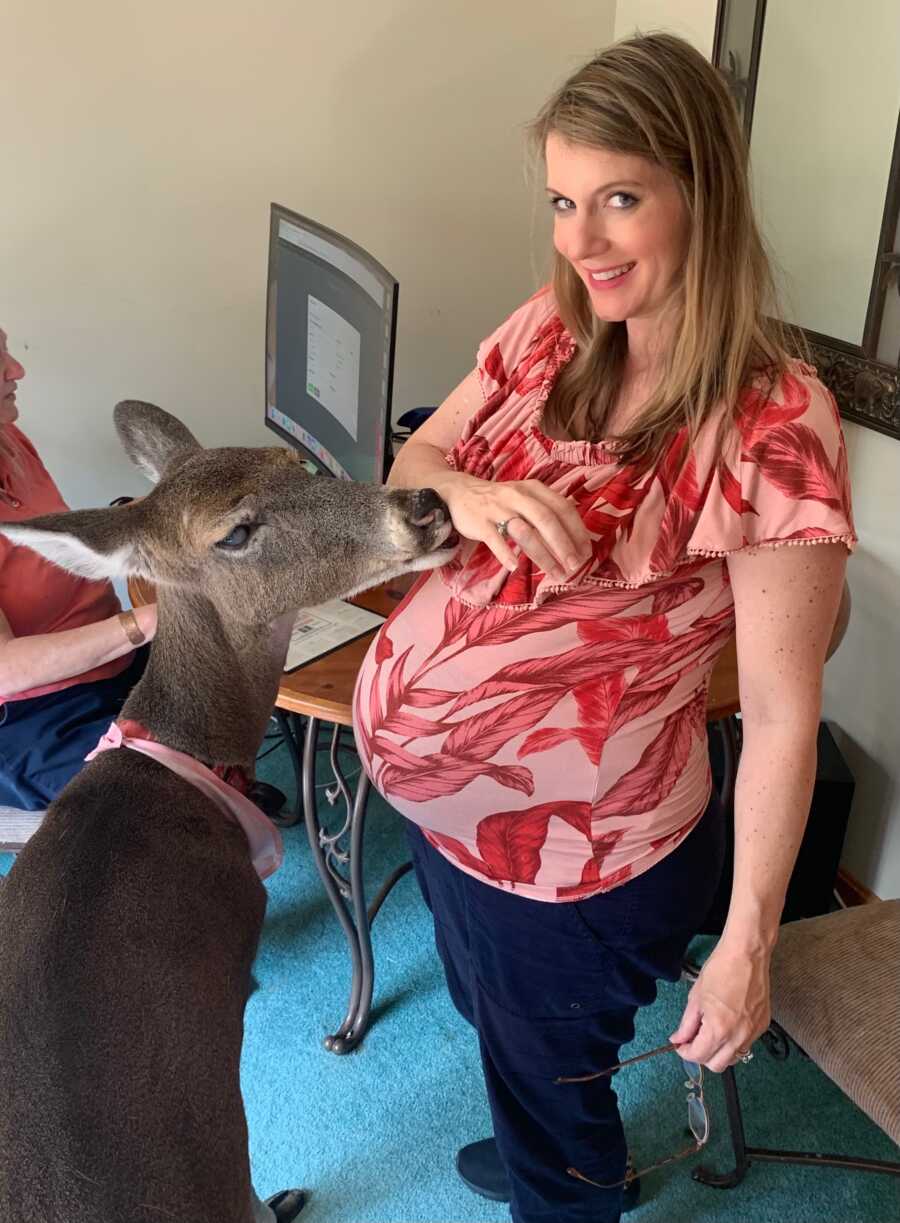
Marjorie became pregnant again sooner than she expected.
At 42, she delivered a healthy baby girl.
After years of losses, motherhood finally included the everyday experiences she had once pictured so vividly.
Caring for her daughter did not erase the twins, but it softened some of the grief Marjorie had been carrying.
When the girl turned 1, Marjorie and Andy began thinking about giving her a sibling.
By then Marjorie was 44.
They decided it might finally be time to use her frozen eggs.
During a fertility consultation, however, their doctor suggested trying naturally while they waited to begin IVF.
The chances of conceiving without assistance at her age were low.
Yet Marjorie was already pregnant.
The pregnancy was the one that led her into that quiet ultrasound room—and to the Down syndrome diagnosis she initially struggled to accept.
She later acknowledged feeling fear, anger, sadness and even embarrassment.
Then Grace Joy arrived.
And many of those fears began to look very different.
Grace Faced Challenges Far Beyond Down Syndrome
Grace was born not only with Down syndrome but with a serious heart condition.
Marjorie describes her daughter as living with roughly half a functioning heart.
By the time her mother shared their story, Grace had already survived two open-heart surgeries and was expected to need another around age 3.
The surgeries could not permanently repair her heart. Instead, they were designed to give her more time and improve how her heart functioned.
Doctors had also discussed the possibility that Grace might someday require a transplant.
There were hospital stays, sleepless nights, fear and exhausting periods for the entire family.
Marjorie never pretended that raising a child with complex medical needs was easy.
What surprised her was how completely Grace contradicted the future she had imagined when she first heard the diagnosis.
Her daughter became a joyful, magnetic presence who captured the affection of the people around her.
The condition Marjorie had initially viewed mainly through fear became only one part of the child she loved.
The Diagnosis She Feared Became the Story She Wanted to Share
Marjorie eventually began sharing Grace’s life publicly in hopes of helping other families approaching a Down syndrome diagnosis.
She wanted parents to see more than frightening medical language or uncertainty.
Her message was not that difficult moments disappear.
They do not.
Grace’s health remains complicated, and her future may include more surgery and possibly a transplant.
But Marjorie now says life with her daughter is nowhere near the frightening picture she initially created in her mind.
Her perspective changed so dramatically that she said if she and Andy ever used her frozen eggs to pursue another pregnancy, she would now struggle with the idea of rejecting an embryo simply because it had Down syndrome.
That transformation captures how far she traveled emotionally.
At 44, she stared at an ultrasound and wondered why another complication had entered a life already filled with loss.
Today, she sees Grace differently.
Not as the diagnosis she once feared.
As her daughter.
As a child who has survived two heart surgeries.
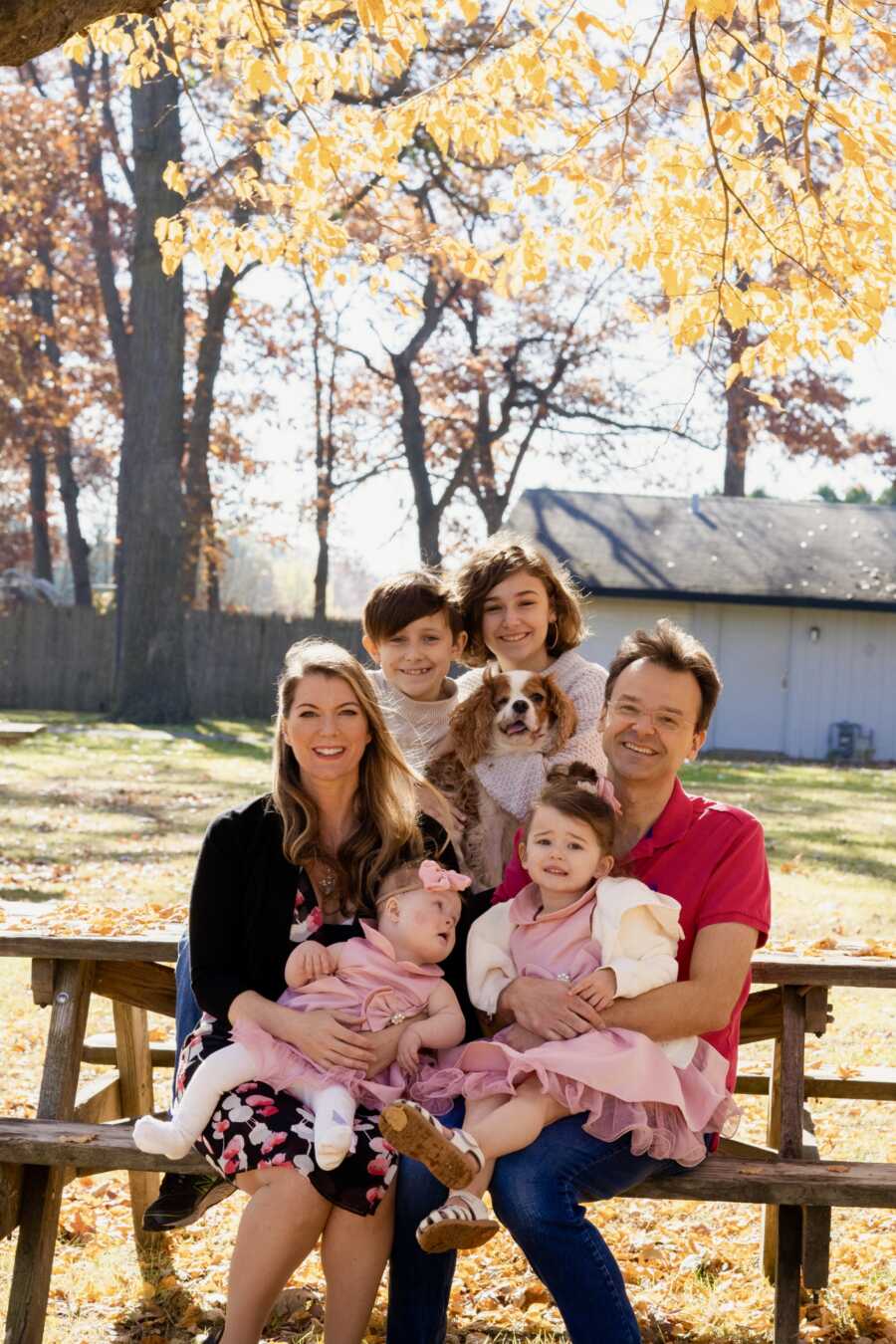
As a little sister to the twins who remain part of their family story.
And, in Marjorie’s words, as a teacher—of patience, hope and love.
The family Marjorie imagined in her 20s never arrived in the way she expected.
There were miscarriages, a funeral in the rain, divorce, a second chance at love, bonus children, a rainbow baby and finally Grace Joy.
None of it followed the plan.
But after years spent believing motherhood might be slipping away from her, Marjorie reached her mid-40s and discovered that the family she had fought so hard to find had been taking shape all along.